WW2 ENGLISH UNIFORMS: THE FORGOTTEN ROOTS IN BRITISH ARMY WW1 UNIFORM HISTORY
Introduction: The Strange Story in the Stitching
Did you know that more than 6 million British soldiers were issued uniforms during the First World War? Behind every button, braid, and fabric choice lies a story of adaptation and survival that would later shape what we know as WW2 English uniforms.
For history lovers and collectors, uniforms are not just clothing; they’re time capsules, carrying the weight of battlefields, innovations, and identities. In this article, we’ll dive deep into how the British Army WW1 uniform history influenced the design of WW2 English uniforms, explore key differences, and even give actionable steps if you’re studying, collecting, or reenacting with accuracy.
WW2 English Uniforms and Their Roots in WW1
At first glance, uniforms from World War I and World War II may look similar — khaki tones, starchy tunics, heavy puttees. But look closer, and you’ll notice major upgrades born from lessons learned in the mud and trenches of France.
Key WW1 Design Elements That Shaped WW2 English Uniforms
- Khaki Service Dress (introduced 1902):
- Originated to replace the scarlet red Napoleonic British uniforms.
- Reduced visibility on the battlefield.
- Puttees:
- Long cloth strips wrapped around soldiers’ lower legs.
- Inherited by early WW2 infantry before being replaced with gaiters.
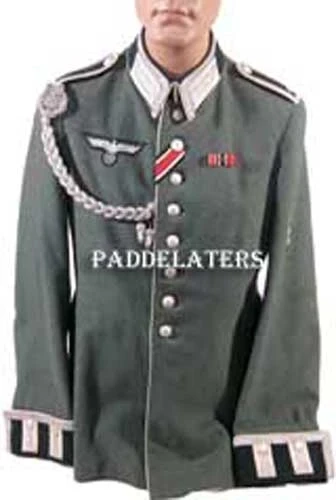
- Royal Army Jacket (Tunic):
- The service dress jacket, with stand-up collars in WW1, later modified to open collars in WWII for comfort and mobility.
Actionable Steps if You’re Studying WW2 English Uniforms
To understand these uniforms properly, you can:
- Start with WW1 basics: Study the 1902 Service Dress for context.
- Compare side by side: Note differences in collars, pockets, and helmet shapes.
- Research fabrics: WW1 used coarse wool, while WW2 uniforms became slightly softer and standardized.
- Look for insignia changes: WW2 English uniforms introduced divisional insignia patches, while WW1 relied more on regimental markings.
💡 Pro Tip: If you’re a collector, always cross-reference dates stamped on labels inside a tunic. Many reproductions can trick even seasoned buyers.
WW2 English Uniforms vs WW2 British Soldier Uniforms: Spot the Difference
While the terms often overlap, there are some contextual differences:
- "WW2 English uniforms": Broadly refers to the standard dress of the English/British forces.
- "WW2 British soldier uniform": More specific to the soldier’s combat attire, including gear and webbing.
Comparing Elements
- Tunic Design:
- WW1: Stand collar; deeper cut.
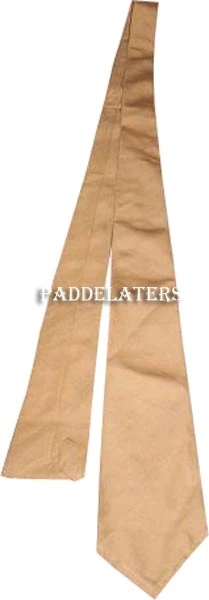
- WW2: Open collars with shirt and tie for better field comfort.
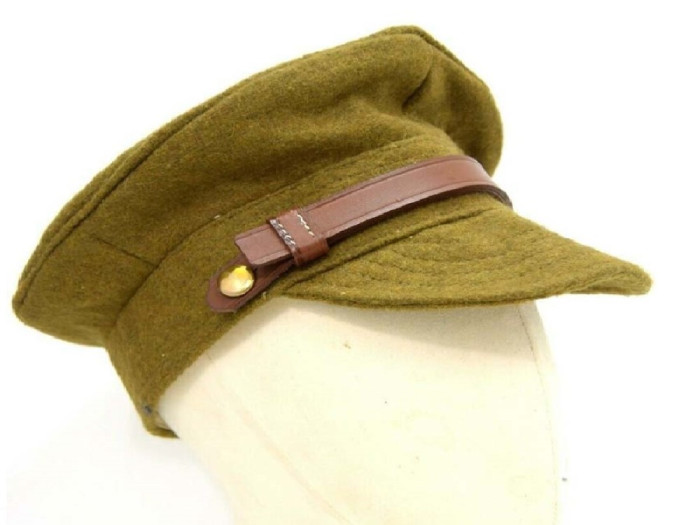
- Headgear Evolution:
- WW1: Brodie helmet introduced in 1915.
- WW2: Improved “Mark II” helmet with better edge trimming.
- Field Gear:
- WW1 webbing often overloaded soldiers.
- WW2 saw more practical belt kits and ammunition pouches.
Common Pitfalls in Studying and Collecting WW2 English Uniforms
- Confusing Napoleonic British uniforms with ceremonial dress: The bright reds stayed for parades, not battlefields.
- Mixing WW1 and WW2 insignia: Especially common when restoring or reproducing uniforms.
- Errors in fabric sourcing: Modern wool blends look visibly different from original battle dress.
- Not considering climate variations: Soldiers in North Africa had lighter khaki drill uniforms versus the heavy wool issued in Europe.
👉 Actionable Fix: Join reenactment groups or forums. Experienced historians there can help identify mistakes in your collection.
Current Trends in Research & Collecting WW2 English Uniforms
- Reenactment Growth: Historical reenactments are more popular than ever, with groups striving for authenticity.
- Digital Archives: Many museums have digitized uniform manuals, making study easier than ever.
- British MTP (Multi-Terrain Pattern): While modern, this camouflage traces lineage back to khaki service dress — showing how uniform history still informs the Royal Army jacket of today.
- Market Rising: With fewer untouched examples surviving, original WW2 British soldier uniforms are steadily gaining value among collectors.
Exploring the Royal Army Jacket and Beyond
The Royal Army jacket is perhaps the most iconic garment of British military history. From button-up wool tunics of WW1 to the more comfortable battle dress blouse of WW2, it symbolized both tradition and adaptation.
For Collectors: Action Steps
- Inspect button and stitching details — originals often used brass or bakelite buttons.
- Look for authentic dye fade — reproductions rarely mimic years of natural wear.
- Study manuals — period field regulations often describe exact uniform specifications.
How Napoleonic British Uniforms Connect the Dots
You might wonder: Why mention Napoleonic British uniforms when focusing on WW1 and WW2? Because understanding the shift from red to khaki is key.
- Napoleonic wars = red coats, bright facings.
- WW1 = camouflage khaki (a revolution in military clothing).
- WW2 = refinement of khaki with battle practicality in mind.
This pivot marks military innovation in response to changing warfare — a direct thread linking scarlet tunics, trench warfare gear, and modern British MTP camouflage.
H2: WW2 English Uniforms in Modern Appreciation
Today, WW2 English uniforms are not just artifacts but gateways to understanding how soldiers lived, fought, and endured hardship. Collectors, historians, and reenactors alike value:
- Their rugged design.
- The symbolic shift from empire to modern warfare.
- Their evolution into today’s camouflage systems.
By studying these uniforms, you don’t just learn about fabric — you learn about strategy, adaptation, and survival.
Conclusion: Keeping the Threads Alive
The story of WW2 English uniforms begins with the British Army WW1 uniform history, shaped by mud, blood, and necessity. From Napoleonic British uniforms to the modern British MTP, every seam tells a story.
For collectors, historians, and enthusiasts:
- Study original sources.
- Avoid common pitfalls.
- Stay engaged with reenactor groups and digital archives.
Uniforms are not just clothing; they are evidence of resilience and adaptation across centuries.
👉 Call to Action: Whether you’re a budding history enthusiast or an advanced collector, start today by comparing an original royal army jacket with its WW2 counterpart. You’ll discover details others often miss — and keep these valuable stories alive.
REQUISITION RELATED GEAR
EXPLORE MORE FIELD REPORTS
Browse all published guides and history articles.
