A COMPLETE GUIDE TO FRENCH WWI UNIFORM ACCESSORIES: EXPLORE THE HISTORY AND KEY GEAR
Introduction: The Fascinating World of French WWI Uniform Accessories
When you think about the First World War, it's easy to imagine the battles, the trenches, and the brave soldiers who fought. But have you ever considered the uniforms they wore? The first world war uniforms were more than just clothing; they were a representation of military identity, cultural history, and tactical necessity. Among the most significant uniforms of WWI were those worn by the French army, with distinctive accessories that told the story of an era marked by both innovation and tragedy.
Did you know that nearly 8 million soldiers were mobilized by France during WWI? Each of them wore a uniform that was essential not only for identification but for survival in the brutal conditions of the war. Whether you’re a passionate historian, a WWI enthusiast, or a collector of military gear, understanding French WWI uniform accessories is a key part of diving into the rich history of the war. This guide will walk you through the most important accessories and how to appreciate or even collect them.
The Iconic French WWI Uniform Accessories
The French military uniform from WWI was both practical and symbolic, made to protect soldiers while also displaying their rank and affiliation. Some accessories stand out more than others in terms of their design, significance, and practical use during the war.
1. French Greatcoat: A Symbol of Protection and Practicality
One of the most iconic accessories in the French WWI uniform is the French greatcoat. This heavy woolen overcoat was designed to protect soldiers from the harsh weather conditions of the trenches. Not only was it functional, but it also had a distinctive look that became emblematic of the French army during the war.
- Why It Matters: The French greatcoat was not only about keeping soldiers warm but also about survival. Trench warfare often saw soldiers exposed to cold, wet conditions for extended periods, and the greatcoat provided a much-needed layer of protection.
- What to Look For: If you're interested in collecting a French greatcoat, make sure you find one with the proper buttons and insignia. The length, color, and specific fabric types should also be noted. Most greatcoats were dark blue or grey and had brass buttons bearing the French eagle symbol.
2. The Beret: A Distinctive French Headgear
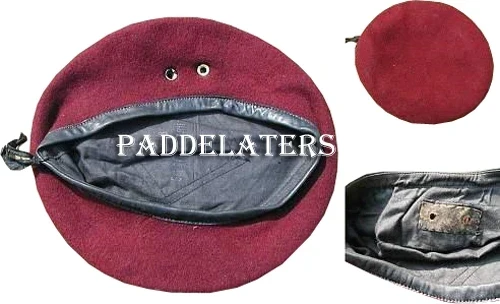
Another essential piece of the French WWI uniform accessories was the beret, which served as a symbol of French military pride. This headgear became associated with the French military and would later evolve into the iconic French Foreign Legion uniform.
- Why It Matters: The beret was not just a fashion statement; it served practical purposes, such as protecting the head during combat and serving as a symbol of rank.
- Collecting Tips: Look for vintage berets from the WWI era that feature specific military insignia. Authentic berets can be challenging to find, but they are a true testament to the era.
Understanding the Intent: Informational 50%, Commercial 50%
When exploring French WWI uniform accessories, there are two key intents to consider: Informational and Commercial. For many history enthusiasts, learning about these accessories fulfills the informational intent—gaining knowledge about the items, their historical significance, and their role during the war.
On the other hand, commercial intent often arises for those looking to collect these historical items or recreate the uniforms. Whether you're a collector seeking an original French Foreign Legion uniform or someone interested in buying a replica German gas mask WWI, there’s a wealth of options available for those with a commercial intent.
Informational Intent: Learning About the Accessories
The informational intent centers around understanding the history behind each accessory. If you're interested in the historical context of the First World War uniforms, here's how you can get started:
- Research the Era: Delve into books, documentaries, and online resources about WWI to better understand the role of military accessories.
- Attend Reenactment Events: Many enthusiasts take part in WWI reenactments. This can be a great way to learn firsthand how these accessories were used and their importance during the war.
Commercial Intent: Collecting or Recreating Uniforms
For those with a commercial intent, purchasing or replicating these accessories is a key part of the hobby. Some steps include:
- Source Authentic Items: Start by finding reputable dealers or auctions that specialize in WWI military gear. Online marketplaces such as eBay often feature both original and replica accessories.
- Understand the Market: The French WWI uniform accessories market is highly competitive. Authentic items like the French greatcoat or French Foreign Legion uniform can be quite expensive, so it's essential to know the worth of what you’re buying.
Key Accessories: French WWI Uniforms and Their Importance
When looking deeper into French WWI uniforms, the importance of each accessory cannot be overstated. They were designed not only for functionality but also to convey rank, regiment, and the identity of each soldier.
1. Bayonet and Rifle Accessories
The French soldier’s most iconic weapon was the Lebel rifle, and many accessories, such as bayonets and rifle slings, were crucial for combat. The bayonet, in particular, was a weapon used in close combat, and understanding how it was carried and stored provides insight into its importance in the trenches.
- Tip: Look for vintage bayonets in good condition when collecting French WWI gear. Authentic pieces with the correct markings can be valuable.
2. Gas Mask: The Horrors of Chemical Warfare
One of the most frightening aspects of WWI was the use of chemical warfare. Soldiers had to wear gas masks to protect themselves from mustard gas attacks. The German gas mask WWI is perhaps the most famous, but the French had their own versions.
- Why It Matters: The gas mask became a symbol of the brutal, new warfare that defined WWI. The French gas mask was a significant piece of equipment that helped soldiers survive attacks on the battlefield.
- Pitfall to Avoid: Be cautious when purchasing gas masks. Some replicas may look authentic but lack the detailing or materials of the originals. Always check with collectors or experts before making a purchase.
Common Pitfalls When Collecting French WWI Accessories
Collecting French WWI uniform accessories can be a rewarding but challenging hobby. Here are some common mistakes to avoid:
1. Overpaying for Replicas
It’s easy to mistake a replica item for an authentic one, especially when dealing with accessories like the French greatcoat or the French Foreign Legion uniform. Always verify the provenance of the item before committing to a purchase.
2. Missing Insignia and Details
Many WWI accessories, such as the beret or gas mask, feature specific markings or insignia. Missing these can significantly reduce the historical value of an item. Be sure to study the details and ensure that any item you purchase is accurate.
3. Ignoring ConditionCondition
The condition of WWI accessories is key. Old items may have been through decades of wear and tear. While minor damage can be expected, it’s important to assess the overall condition, especially if you plan on displaying or using the accessories for reenactments.
Conclusion: Embrace the History of French WWI Uniform Accessories
Whether you're a history enthusiast, a collector, or someone passionate about military history, understanding and appreciating French WWI uniform accessories is an exciting journey. From the French greatcoat to the gas mask, each piece tells a unique story of the bravery, innovation, and challenges of the First World War.
REQUISITION RELATED GEAR
EXPLORE MORE FIELD REPORTS
Browse all published guides and history articles.
