Introduction
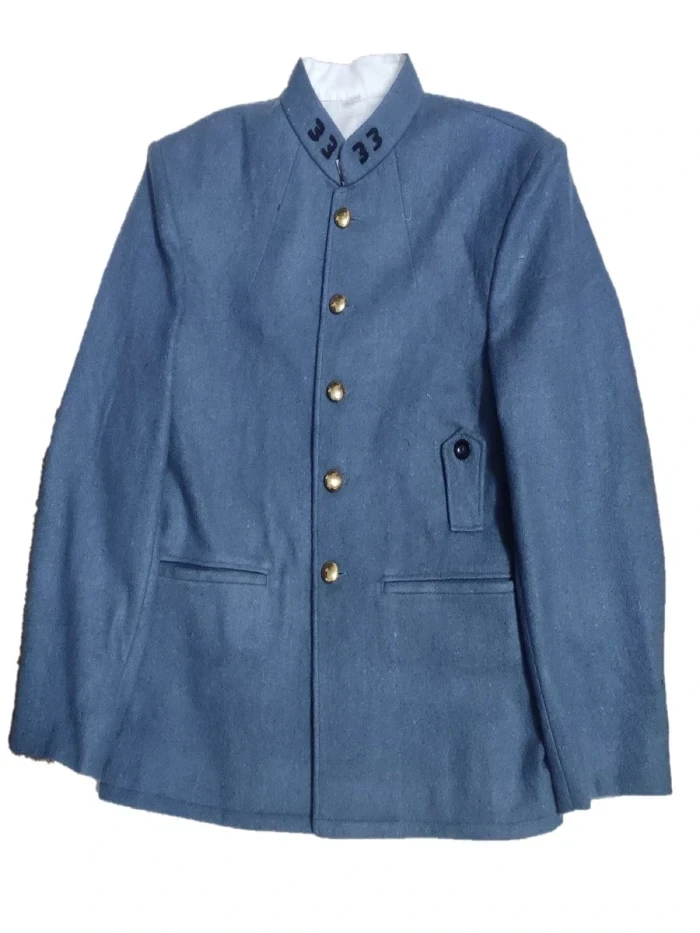
Grabbing a real French WW2 greatcoat? It’s tricky with all the copies out there.
If you search “French WWII uniform for sale,” you’ll see dozens of listings. Some look correct. Some are clear reproductions. Others sit in a gray area. Prices range from a few hundred dollars to several thousand. As collectors, that gap makes us nervous.
The problem is simple. French WW2 uniforms were widely used between 1939 and 1945. Many were lost in the 1940 defeat. Some were reused by the Vichy forces, Free French units, or resistance fighters. Others were cut down after the war for civilian use. So the supply today is limited and uneven.
The result? Fakes waste money. Poor condition kills value. And without the right checks, you may pay original price for a later copy.
Let’s break this down properly—from history to features to real sales—so you can buy and sell smart.
Quick History of French WW2 Uniforms
From 1939 Phoney War to 1945 Liberation
In 1939, France entered the war with a large army still shaped by First World War thinking. The standard field uniform included horizon blue or later darker wool tones. By 1939–1940, most troops wore a heavier wool greatcoat as outerwear.
During the so-called “Phoney War” (late 1939 to early 1940), French troops waited behind the Maginot Line. The winter was cold. The greatcoat was not just formal dress. It was daily field gear.
After the German invasion in May 1940, many uniforms were captured or abandoned. Some French troops escaped to Britain and joined the Free French Forces under Charles de Gaulle. By 1944–1945, as France was liberated, you could see a mix: original French greatcoats, British-supplied items, and American gear.
Greatcoat Evolution
Early-war greatcoats followed pre-war patterns: long, heavy wool, double-breasted, large collar. After 1940, material shortages affected production. Fabric became slightly rougher. Some later coats showed simplified stitching and less detailed tailoring.
Resistance fighters (FFI) often wore captured or reused coats. These sometimes carried mixed insignia. For collectors, that mix can either raise value—if documented—or lower it if unclear.

Main Features of the French WW2 Greatcoat
Fabric and Build
The French WW2 greatcoat was made from thick wool cloth. It feels heavy in hand. Many examples weigh over 2.5 kg. The wool is dense and tight. It was built to handle cold European winters.
Common features include:
-
Double-breasted front
-
Six to eight large front buttons
-
Wide collar that could be turned up
-
Belt at waist (on some models)
-
Long skirt reaching mid-calf
The lining was usually simple cotton or wool mix. Stitching is straight but not decorative. French military tailoring was practical, not fancy.
Look for age signs:
-
Slight moth damage
-
Faded wool tone
-
Natural wear at cuffs
Too clean can be a warning sign.
Buttons, Stamps, Sizes—Facts with Examples
Buttons often carry French military symbols, sometimes with “RF” (République Française). Wartime buttons may be brass or painted metal.
Inside, you may find:
-
Depot stamp
-
Year marking (1939, 1940, 1944, etc.)
-
Size marking in French format
According to museum references such as the collections displayed at the Musée de l’Armée in Paris, authentic pieces usually show clear supply marks and regiment traces.
Be careful:
-
Modern repros often lack deep aging on metal buttons.
-
Stamps in repro coats look too sharp or use modern ink.
-
Machine stitching may look too clean compared to 1940s examples.
Always compare with documented museum photos before buying.
Pros and Cons for Collectors
Pros: Rising Value, Display Appeal
French WW2 uniforms are not as common as German or US items. That scarcity helps value.
Collectors like them for:
-
Early war history (1940 campaign)
-
Free French link to Allied victory
-
Resistance history
Auction houses such as Bonhams and Sotheby’s have shown steady interest in European military items from 1939–1945. Documented greatcoats with provenance often sell above estimate.
For display, the long cut and heavy wool give strong visual impact. On a mannequin, a French WW2 greatcoat stands out in any WW2 collection.
Cons: Wear from Age, Import Rules India-USA
These coats are over 80 years old. Problems include:
-
Moth holes
-
Shrinking from bad storage
-
Rust stains from metal parts
Condition affects price sharply. A coat with strong fabric and clear stamps may double the value of a damaged one.
If you are in India and selling to USA buyers, check:
-
Customs declarations
-
Textile import rules
-
Platform restrictions
Military collectibles are generally legal to sell if they are not modern restricted gear. But always read eBay and Amazon policies carefully.
Real Sales Examples and Case Studies
Let’s look at real numbers.
Case Study 1: 1940 French Army Greatcoat – Bonhams (£4,200)
A documented 1940 French Army greatcoat, with clear depot stamps and matching belt, sold at Bonhams for £4,200. The listing noted original buttons and light moth wear. Provenance included family records. Buyer tip: paperwork increased confidence and final price.
Case Study 2: 1944 FFI Resistance Coat – eBay ($2,800)
An FFI-marked coat with resistance patch and photos of the original owner sold on eBay for $2,800. Condition was fair, with small fabric repairs. The seller provided close-up photos of stamps and seams. Buyer feedback mentioned trust built through detailed images.
Case Study 3: 1945 Colonial Troops Model – Sotheby’s (€3,500)
A 1945 model linked to French colonial troops sold at Sotheby’s for €3,500. This example showed slight variation in cut and lighter wool mix. Auction notes highlighted post-liberation production details.
What do we learn?
-
Provenance raises price.
-
Clear photos help.
-
Honest condition reports build trust.
If you see a “French WWII uniform for sale” listing with vague photos and no stamp images, step back.
Buying and Selling Guide
Here’s where the PAS logic really matters.
The Agitate: Fakes Waste Money
Reproductions are everywhere. Some are sold clearly as copies. Others are passed as originals.
Common red flags:
-
Perfect condition with no aging
-
Wrong button type
-
No internal stamps
-
Seller avoids questions
If you pay $1,500 for a repro worth $300, that loss hurts. And resale becomes difficult once doubts appear.
The Solution: Check Stamps, Sell Smart from India
Before buying:
-
Ask for inside photos.
-
Check year stamps.
-
Compare button design.
-
Research auction references.
If you are selling from India:
-
Use eBay global shipping.
-
Receive payment via Payoneer or secure platform methods.
-
Write clear titles: “WW2 French Army Greatcoat 1940 Original – Stamped.”
-
Mention condition honestly.
Detailed listings increase buyer confidence. If you plan to scale, consistent sourcing and proper documentation help build brand value in the military collectible uniform niche.
FAQs
1. Is it legal to sell French WW2 uniforms on Amazon?
Generally yes, if the item is historical and not restricted modern gear. Always check Amazon policy in your region.
2. How do I know if a French WW2 greatcoat is original?
Look for correct wool fabric, aging, depot stamps, and period buttons. Compare with museum references.
3. What is the average price for a WW2 French greatcoat?
Depending on condition and history, prices range from $1,000 to over $4,000.
4. Do moth holes ruin value?
Small holes reduce value but do not destroy it. Large damage can cut price significantly.
5. Can I ship from India to USA easily?
Yes, using eBay global shipping or courier services. Declare item properly as historical clothing.
6. Are reproductions bad to own?
Not at all. Repros are fine for reenactment. Just do not pay original prices for them.
7. Why are French WW2 uniforms less common than German ones?
France’s quick defeat in 1940 and later mixed uniform use reduced surviving full sets.
Conclusion
Listen, if you’re hunting WW2 gear like I do, you know the market can be confusing. French WW2 uniforms—especially the greatcoat—carry real history from 1939 to 1945. But copies and poor storage make buying risky.
The solution is simple but strict. Study the history. Check fabric and stamps. Compare with auction records. Ask for proof.
Real sales—from £4,200 at Bonhams to €3,500 at Sotheby’s—show that documented pieces hold value.
So next time you see a “French WWII uniform for sale,” slow down. Inspect. Ask questions. And if you’re selling from India, build trust with clear photos and honest details.
That’s how you protect your money—and grow your collection the smart way.