WORLD WAR I COSTUMES: A COMPLETE GUIDE TO BRITISH WW1 SOLDIER UNIFORMS
Introduction:
Did you know that over 8 million British soldiers served during World War I, each wearing a uniform designed not only for combat but also for survival in brutal trench conditions? For collectors, reenactors, and history enthusiasts, the British WW1 soldier uniform is more than clothing—it’s a symbol of courage, hardship, and the evolution of military attire.
Whether you’re exploring reenactment events, researching for a museum project, or simply fascinated by military history, understanding world war i costumes can bring you closer to the human side of warfare. In this article, we’ll walk through everything you need to know—from actionable steps to start collecting or recreating uniforms, to mistakes beginners often make, and even current trends in reenactment communities.
The Core of a British WW1 Soldier Uniform
The standard uniform for British soldiers in World War I went beyond simple fabric—it was a layered system designed for practical use in muddy trenches, long marches, and brutal winters.
Essential Elements:
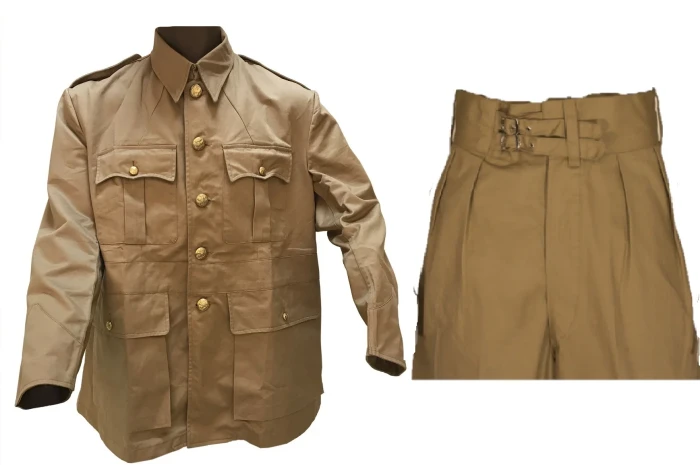
- Service Dress Tunic: Typically khaki wool, with four pockets and brass buttons.
- Trousers (Service Dress slacks): Sturdy wool trousers made for rugged use.
- Puttees: Long strips of cloth wound around the lower legs to protect against mud and water.
- World War 1 Campaign Hat: The early-war soft cap (often called the "peaked cap") was later replaced by the famous Brodie helmet, offering better protection against shrapnel.
- Webbing Equipment: Belts, straps, and pouches carried ammunition, water, and small tools.
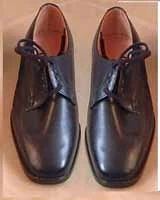
- Boots: Hobnailed boots designed for slippery trench terrain.
Why Study World War I Costumes Today?
Reenactment groups, museums, and collectors study world war i costumes to preserve authenticity, honor soldiers, and educate future generations. By learning to identify the details of a British WW1 soldier uniform, enthusiasts can bring history to life.
Actionable Steps to Start Collecting British WW1 Soldier Uniforms
Step 1: Research Authentic Sources
- Visit military museums and exhibitions.
- Study official British Army manuals from 1914–1918 (many digitized online).
- Compare reproduction pieces with surviving originals in photographs.
Step 2: Start Small
Begin with affordable pieces like repro campaign hats, tunics, or puttees. Don’t try to buy a full uniform set immediately—it can get expensive.
Step 3: Network with Collectors and Reenactors
- Join international forums and Facebook groups focused on WW1 reenactments.
- Attend historical fairs and talk with antique sellers.
Step 4: Learn the Difference Between WW1 and WW2 Uniforms
Many beginners confuse ww2 british soldier uniforms with their WW1 counterparts. WW2 uniforms were slightly greener and often featured improved webbing systems. Recognizing these differences helps avoid costly mistakes.
Common Pitfalls to Avoid When Dealing with World War I Costumes
- Confusing Reproductions with Originals
Not all reproductions are bad! High-quality replicas are great for reenactments, but beginners often mistake them for genuine 1914–1918 items. - Overpaying Due to Lack of Market Research
Auction sites can sometimes inflate prices. Compare multiple listings and try to verify authenticity. - Ignoring Condition and Preservation
Wool uniforms are prone to moth damage. If you’re buying an original piece, learn about safe storage methods like acid-free boxes and preservation sprays. - Mixing Eras
A full world war 1 doughboy uniform from the U.S. Army looks very different from a British set. Similarly, collecting a 1700 military uniform is fascinating, but it shouldn’t be confused with modern-era items if your focus is WW1.
How Current Trends Shape World War I Costume Collecting
Reenactment Popularity
Reenactments and living history events are on the rise, especially in Europe. Participants rely on accurate world war i costumes to create immersive battlefield experiences.
DIY and Handmade Replicas
With modern sewing tools and online tutorials, many enthusiasts now hand-make their British tunics or trench coats. This allows for budget-friendly but authentic-looking pieces.
Virtual Exhibitions and Online Collecting
Thanks to technology, online platforms let history lovers collect, trade, and showcase uniforms digitally—an exciting trend for those who can’t afford pricey originals.
Comparing Across Eras: WW1 vs WW2 Uniforms vs 1700 Military Styles
- World War I: Focused on practicality, trench protection, and subdued khaki coloring.
- World War II British Soldier Uniforms: Advanced fabric, more versatile pouches, and emphasis on mobility.
- 1700 Military Uniforms: Often decorative, featuring bright colors, tall hats, and ornate accessories—more ceremonial than functional compared to 20th-century standards.
This comparison helps enthusiasts appreciate how warfare needs dictated rapid uniform evolution.
Tips for Beginners Who Want to Reenact
If you’re joining a WW1 reenactment group, prepare properly:
- Start with a Reproduction: Originals are fragile. Save those for display.
- Train in Wearing Puttees: Wrapping leg puttees is surprisingly tricky!
- Choose the Right Regiment: Research the regiment you want to represent; uniforms differed subtly between units (e.g., insignia or badges).
- Safety First: Many groups enforce safety codes when handling replica rifles, helmets, and webbing.
World War I Costumes in Modern Media
Popular films like 1917 and War Horse have reignited interest in British WW1 soldier uniforms. Collectors now often hunt for screen-accurate reproductions, while museums use these films to attract younger audiences.
Conclusion: Why World War I Costumes Still Matter
The world war i costumes of British soldiers embody sacrifice, innovation, and resilience. They remind us of a generation that endured hardship while shaping modern warfare.
- For collectors, they’re valuable pieces of history.
- For reenactors, they’re a way to keep stories alive.
- For history lovers, they offer tangible links to the past.
Whether you’re beginning your collection, joining a living history event, or simply admiring the evolution from a world war 1 campaign hat to the iconic Brodie helmet, one thing is certain: preserving and understanding these uniforms is preserving memory itself.
👉 Call-to-Action: Start your journey today—visit a museum, pick up a reproduction tunic, or join a historical group. The past is waiting to be rediscovered, one uniform at a time.
REQUISITION RELATED GEAR
EXPLORE MORE FIELD REPORTS
Browse all published guides and history articles.
