WORLD WAR 1 UNIFORM USA: A DEEP DIVE INTO THE HISTORY OF AMERICAN SOLDIERS
Introduction: The Iconic Gear of American Soldiers in World War 1
Did you know that over 4.7 million American soldiers served during World War 1, and each of them wore a distinct uniform designed to help them endure the harsh conditions of the battlefield? These uniforms were not only crucial for combat but also a symbol of American pride and resilience during the war. For those interested in history, the World War 1 uniform USA remains a fascinating and important topic, especially when it comes to reproduction gear and collecting.
Whether you're a history buff, a reenactor, or intrigued by the iconic WW1 American uniform, this article will guide you through the key elements of these uniforms, the challenges in finding authentic reproductions, and actionable tips for those looking to dive deeper into this historical clothing piece.
Understanding the World War 1 Uniform USA: A Historical Overview
Before diving into modern-day reproductions and trends, it’s important to understand the origins of the World War 1 uniform USA. During the early stages of the war, the American military relied on a relatively simple yet highly functional uniform designed for the brutal conditions of trench warfare. The primary goal was to balance comfort, durability, and practicality.
Key Features of the World War 1 USA GI Uniform
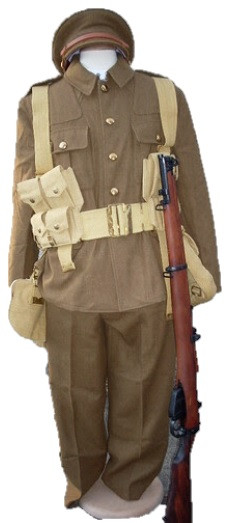
- Wool Construction: Most World War 1 uniforms were made from wool, which offered warmth in cold conditions but also proved uncomfortable in hot weather.
- Olive Drab Colour: The typical uniform was a dull olive drab colour, which was chosen for its ability to blend in with the trench and battlefield surroundings.
- Buttoned Coat: The uniform featured a buttoned coat with a stand-up collar that helped protect soldiers from shrapnel and environmental elements.
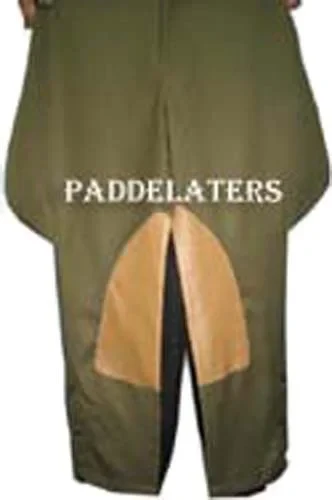
- Breeches and Boots: Soldiers wore woollen breeches paired with leather boots, which were both sturdy and practical for long marches.
World War 1 Uniforms USA Reproduction: What to Look For
If you're a collector or reenactor interested in the World War 1 uniforms USA reproduction, it’s essential to know what to look for when shopping for authentic gear. Although original WW1 uniforms can be quite rare and expensive, many reproduction pieces are available for enthusiasts. However, not all reproductions are created equal.
Actionable Steps for Finding High-Quality Reproductions
- Research Reputable Vendors: Many specialised companies and reenactment groups offer high-quality WWI American uniform reproductions. Look for vendors with a strong reputation and a commitment to authenticity.
- Check the Material: Ensure that the wool and other materials used in the reproduction are historically accurate. The texture and feel should resemble the original uniform, not modern alternatives.
- Verify Historical Accuracy: Double-check the stitching, buttons, and overall design to make sure the uniform matches what was worn during World War 1. Pay special attention to details like theWW1 USA GI uniform's insignia and markings.
- Consider Customisation: Some vendors offer tailored reproductions to fit your specific measurements. This ensures both comfort and accuracy.
Common Pitfalls to Avoid When Purchasing Reproductions
- Inaccurate Materials: Be cautious of reproduction uniforms made from synthetic materials like polyester, which won't accurately reflect the wool used during WW1.
- Incorrect Colour: Over time, the colour of uniforms fades, but reproductions should still aim to capture the characteristic olive drab of the era.
- Overpriced Items: While some reproduction gear may be expensive, make sure you're not paying too much for a uniform that doesn't meet historical standards.
The Evolution: From World War 1 to World War II American Uniforms
While the WW1 American uniform was iconic, it underwent several key changes as the U.S. military adapted to the needs of World War II. The most noticeable difference was the move toward more practical, lightweight gear.
Transition to World War II American Uniforms
The World War II American uniforms were designed to be more functional, reflecting the advances in military technology and the changing nature of warfare. Key differences included:
- Lightweight Materials: WWII uniforms were made from a variety of lightweight fabrics, including cotton and wool blends, making them more comfortable and breathable.
- M-1 Helmet: The iconic M-1 helmet replaced the earlier Brodie helmet, providing better protection while maintaining mobility.
- Tighter Fit: The fit of WWII uniforms was generally slimmer and more form-fitting, allowing soldiers to move more freely.
Despite these differences, the essential idea behind American military uniforms in both wars remained the same: provide soldiers with the tools they needed to survive and fight on the battlefield.
Modern-Day Reenactment and Collecting: Where to Find the Best Gear
For those interested in reenacting or collecting World War 1 uniform USA pieces, the market is more vibrant than ever. Online forums, auction sites, and speciality shops are great places to find rare and reproduction uniforms, but there are a few tips that can help make your search more successful.
Tips for Collecting Authentic World War 1 Uniforms
- Join Reenactment Groups: One of the best ways to meet other collectors and find reliable gear is by joining a WW1 reenactment group. These communities often have resources for locating authentic and high-quality reproductions.
- Attend Antiques Fairs and Military Auctions: Keep an eye out for military-specific antiques fairs or auctions. These events often feature rare World War 1 gear, including original uniforms.
- Use Online Marketplaces Wisely: Websites like eBay can have great finds, but always check seller reviews and ask for detailed photos before making a purchase.
- Invest in High-Quality Reproductions: While it can be tempting to buy cheaper options, investing in WW1 USA GI uniform reproductions will pay off in terms of both historical accuracy and durability.
The Current Trends in World War 1 Uniforms and Reproductions
As interest in historical military gear continues to grow, there are several trends in the World War 1 uniforms USA market that collectors should keep an eye on.
- Sustainability: Many modern reproduction manufacturers are focusing on sustainability, using eco-friendly fabrics and production methods.
- Vintage Styling: Some companies are incorporating vintage styling into modern-day military fashion, creating an exciting crossover between historical accuracy and contemporary wearability.
- Increased Demand for Accuracy: As the popularity of reenactments and historical collections grows, so does the demand for more accurate and detailed reproductions, pushing manufacturers to fine-tune their products to the highest standard.
Conclusion: Embrace the Legacy of the World War 1 Uniform USA
Whether you're an avid collector, a reenactor, or simply a history enthusiast, understanding the World War 1 uniform USA is an important step in appreciating the history and sacrifices made by American soldiers during the war. By following the tips outlined in this guide, you can confidently navigate the world of reproduction uniforms, avoid common pitfalls, and even expand your collection.
The legacy of these uniforms is not just about the gear, but about the stories they represent. By preserving these iconic pieces of history, we continue to honour the bravery and sacrifice of those who served in World War 1.
REQUISITION RELATED GEAR
EXPLORE MORE FIELD REPORTS
Browse all published guides and history articles.
