GERMAN WW1 UNIFORMS: A COMPLETE GUIDE FOR COLLECTORS, REENACTORS & ENTHUSIASTS
German WW1 Uniforms: A Complete Guide for Collectors, Reenactors & Enthusiasts
Did you know? A single authentic German WW1 tunic can fetch over $2,000 at auctions today.
Whether you're a passionate history buff, a reenactor gearing up for your next event, or a collector on the hunt for the perfect addition to your display, German WW1 uniforms offer a fascinating window into the past. These uniforms represent more than military attire—they're symbols of a turbulent era, innovations in military design, and prized artifacts for anyone invested in World War I history.
This comprehensive guide dives deep into everything you need to know—from accurate reproduction tips and sourcing gear, to avoiding costly mistakes and keeping up with trends in the reenactment and militaria communities.
The History Behind German WW1 Uniforms
Understanding German WW1 uniforms starts with context. At the outbreak of the Great War in 1914, the German Army's uniform was a product of both tradition and modernization.
Key Components of the 1914-1918 Uniform:
- Feldgrau Tunic (M1910 and M1915): The iconic “field gray” wool tunic that replaced colorful 19th-century styles.
- Pickelhaube: The famous spiked helmet, phased out in favor of the steel Stahlhelm by 1916.
- Trousers and Gaiters: Woolen field trousers, often tucked into leather gaiters or puttees.
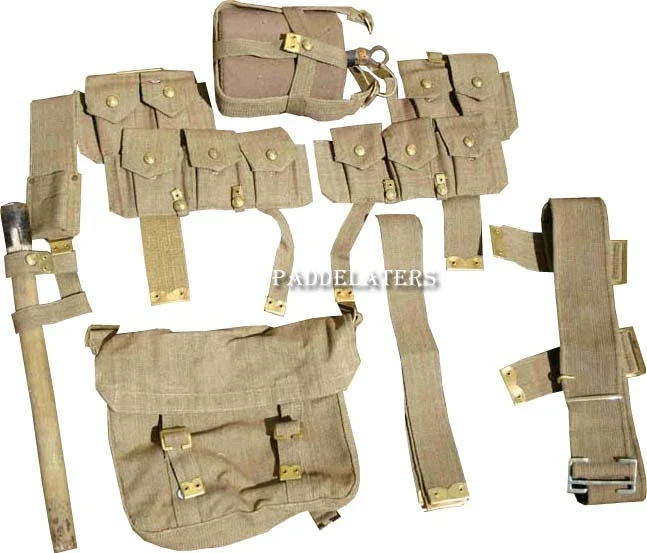
- Field Gear: Leather belts, ammunition pouches, bayonets, mess kits, gas masks, and canteens.
- Rank and Unit Insignia: Collar tabs, shoulder boards, and regimental numbers.
These pieces evolved over the war to become more practical, less expensive, and easier to mass-produce, especially as the conflict dragged into trench warfare.
How to Make a WW1 German Uniform (DIY Guide for Reenactors)
Intents: Informational 60%, Commercial 40% – how to make a ww1 german uniform
Recreating a German uniform WW1 style can be an incredibly rewarding project. Many reenactors prefer crafting their own kits, either for authenticity or cost savings.
Step-by-Step:
- Research the Unit You Want to Portray
- Prussian infantry? Bavarian artillery? Each has unique insignia and styles.
- Use historical photographs, original documents, and museum examples.
- Choose the Right Pattern
- For beginners, start with the M1915 tunic, which is easier to reproduce.
- Patterns and templates can be purchased online or downloaded from reenactment forums.
- Select Materials Carefully
- Use 100% wool in Feldgrau. Avoid modern blends—they won’t drape or breathe correctly.
- Authentic buttons, leather, and thread color matter.
- Suppliers like ATF (At the Front) or Hessen Antique offer reproduction-grade materials.
- Sew or Modify
- If you’re not handy with a needle, consider modifying a surplus tunic with the correct details.
- Don’t forget collar tabs, shoulder boards, and unit numerals.
- Assemble Gear and Accessories
- Pair with reproduction or original Pickelhaube, belt gear, and boots.
- Replica bayonets, mess kits, and gas mask canisters complete the look.
Sourcing Authentic & Reproduction German WW1 Uniforms
Intents: Informational 50%, Commercial 50% – german ww1 uniforms
Whether you're buying original items or reproductions, knowing where and how to shop is key.
Top Sources:
- Online Marketplaces: eBay, militaria auction houses (like Hermann Historica).
- Specialist Retailers: Hessen Antique, Soldier of Fortune (UK), IMA-USA.
- Reenactment Groups: Often sell/trade gear or offer advice on reliable sellers.
What to Look for in Quality Reproductions:
- Accurate color (feldgrau vs. modern gray)
- Stitched rather than glued leather gear
- Historically correct hardware (e.g., brass vs. steel buckles)
- Correct pattern and cut of tunics and trousers
Common Pitfalls to Avoid:
- Buying cheap costume-grade uniforms (usually polyester or inaccurate cuts)
- Misidentifying post-WWI or WWII German items as WWI
- Paying too much for mismatched or “Frankenstein” pieces
Modern Trends in German WW1 Uniform Collecting
Intents: Informational 50%, Commercial 50% – ww1 german uniforms
The world of WW1 collecting and reenactment is evolving, especially with digital resources and 3D printing.
Current Trends to Watch:
- 3D-Printed Parts: Replacing rare buckles, buttons, and insignia.
- Online Archives: More museums are digitizing their WW1 German uniform collections.
- Hybrid Reenactment Kits: Some enthusiasts blend real and reproduction parts for budget-friendly authenticity.
- Virtual Reenactments & Gaming: Games like Verdun and Battlefield 1 have driven renewed interest.
What’s Hot Right Now:
- Early-war M1910 tunics
- Original Pickelhaubes (even damaged ones fetch high prices)
- Officer and cavalry tunics
- Trench gear (gas masks, trench clubs, wire cutters)
Care, Maintenance, and Display Tips
Preserving your German WW1 uniform—whether reproduction or original—takes care and planning.
Storage & Display:
- Use padded hangers to maintain the tunic's shape.
- Avoid direct sunlight—UV can fade Feldgrau wool.
- Store in breathable garment bags with silica gel packs.
Cleaning & Maintenance:
- Never machine-wash wool uniforms.
- Spot clean with a damp cloth and mild soap.
- Leather items should be conditioned annually.
Join the Community: Learn, Share, Reenact
Getting into WW1 German uniforms doesn’t have to be a solo mission. Whether you’re a new collector, seasoned reenactor, or curious historian, the online community is thriving.
Where to Connect:
- Facebook Groups: “WW1 German Reenactors,” “WW1 Militaria Collectors”
- Reddit: r/militaria, r/reenactors
- Discord servers for history reenactment and gear building
Joining these platforms gives you access to photos, tips, events, and insider knowledge you won’t find elsewhere.
Conclusion: Start Your German WW1 Uniform Journey Today
Exploring the world of German WW1 uniforms is a journey that combines history, craftsmanship, and passion. Whether you’re collecting, creating, or reenacting, every uniform tells a story—and now, it’s your turn to bring that story to life.
REQUISITION RELATED GEAR
EXPLORE MORE FIELD REPORTS
Browse all published guides and history articles.
