UNDERSTANDING BRITISH WWI MILITARY UNIFORMS: KEY FACTS AND INSIGHTS.
British WWI Military Uniforms: The Unsung Heroes of the Trenches
World War I, also known as the Great War, was a global conflict that reshaped the world and left a lasting impact on military history. A key part of that history was the uniforms worn by the soldiers, which, though often overlooked, played a significant role in the war effort. The British military, in particular, relied on a distinctive set of uniforms, each piece designed with specific purposes in mind—from protection in the trenches to standing out on the battlefield. Understanding the design and purpose of these uniforms gives us a deeper appreciation for the soldiers' experiences during the war.
In this blog post, we'll take you on a journey through the British WWI military uniforms. We'll look at their design features, the challenges soldiers faced with their gear, and how these uniforms were put to the test in some of the most infamous battles of the war.
The Problem: The Need for Practical Military Gear
Before diving into the design specifics, it's important to understand the initial problem facing the British military: how to provide soldiers with uniforms that would be practical, durable, and functional during the grueling conditions of WWI.
In the early stages of the war, British soldiers were issued a range of uniforms, many of which were based on outdated designs or were simply inadequate for the harsh realities of trench warfare. Soldiers were dealing with extreme weather, mud, lice, rats, and constant danger from enemy fire. Their uniforms, while initially crafted for other military duties, were now expected to withstand the trials of one of the deadliest and most brutal conflicts in history.
The uniforms had to meet several needs: protection, comfort, ease of movement, and the ability to carry vital equipment. At the same time, they needed to adhere to military regulations, which meant a balance between formality and function.
Agitate: Challenges Soldiers Faced in the Trenches
The British WWI uniforms, although designed with good intentions, were not without their drawbacks. The biggest challenge was the sheer impracticality of many aspects of the clothing, especially when faced with the mud and filth of the trenches. Soldiers often found themselves covered in grime, their uniforms soaked through in the rain, and their boots caked with thick mud. Despite the durability of some fabrics, the weight and bulkiness of the uniforms made manoeuvring difficult, especially in the confined space of the trenches.
For example, the British Army WWI tunic, which was made of wool, offered warmth and some degree of protection, but it also became heavy when wet. Additionally, the tunic's wool was prone to getting itchy, causing further discomfort. And while the famous "puttees" (cloth strips wrapped around the lower legs) were meant to help with foot protection, they were time-consuming to put on and often didn't provide enough protection from the elements.
Another issue was the uniforms' lack of camouflage. Early in the war, the British military didn't fully embrace the need for soldiers to blend in with their surroundings. Soldiers were still wearing bright colours and patterns that made them easy targets for snipers and enemy fire. Though the British did later introduce more muted colors, the issue remained for a significant portion of the war.
The lack of comfort was another key concern. Soldiers were often ill-equipped to deal with the continuous wear and tear of combat. Their uniforms would sometimes chafe, irritate their skin, or restrict movement, all of which were major problems when soldiers were in the thick of battle.
The Solution: The Evolution of British Military Uniforms
Despite these challenges, the British Army worked hard to adapt and improve its uniforms as the war went on. Several key changes and features helped soldiers cope with the difficult conditions of the battlefield.
Design and Material: The Birth of the British Army WWI Tunic
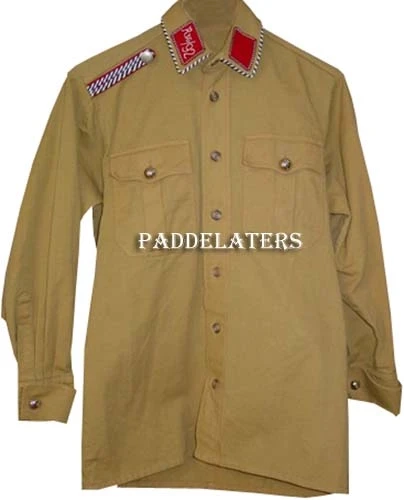
One of the most iconic pieces of British WWI military gear was the British Army WWI tunic. Made primarily from wool, this tunic was designed to be durable yet relatively light. Initially, it featured a dark green or khaki colour, which helped soldiers blend in with the environment more effectively than previous bright red or blue uniforms.
The tunic had practical elements built into it, such as large pockets that allowed soldiers to carry essential items like ammunition, maps, and rations. It was also designed with buttons on the front and sleeves that could be undone or adjusted, offering a degree of ventilation in hot conditions. The collar was designed to be higher to provide some protection to the neck, and epaulettes were worn on the shoulders, which indicated rank.
The use of khaki as a uniform colour became especially important. Khaki was a far better choice for camouflage than the bright red coats that had been used in previous conflicts. It helped soldiers remain less visible to enemies, offering them a small advantage in the dense, muddy environments of the trenches.
Helmets and Headgear: Protecting the Head
Another key piece of the uniform was the iconic "Brodie helmet", introduced in 1915 as a response to the growing threat of head injuries from shrapnel and bullets. Prior to this, soldiers had worn soft caps or no helmets at all. The Brodie helmet was made of steel and offered better protection than previous headgear. It was often lined with a cloth or felt to provide comfort and reduce impact during explosions. The helmet's design also allowed for ventilation and could be fitted with a chinstrap to prevent it from falling off during combat.
Puttees and Boots: Foot Protection in the Trenches
Footwear was a critical issue during WWI, as soldiers had to navigate the treacherous, muddy terrain of the trenches. The puttees, long cloth strips wrapped around the lower legs, were a practical solution to help keep mud and water out of boots. However, they were difficult to put on and often required the help of a fellow soldier. Despite their inconvenience, they were better than nothing and offered some degree of protection.
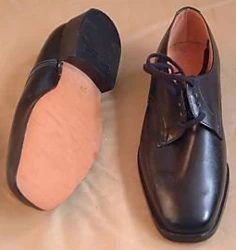
The boots themselves, made of leather, were sturdy but not entirely waterproof, leading to issues with trench foot. Still, the boots were an improvement over earlier versions and provided better traction and support for long marches.
The Development of the “Trench Coat” and Greatcoat
For colder conditions, the British soldiers were issued the "greatcoat", a heavy woollen coat that offered additional warmth and protection against the harsh winter months. The trench coat, although more commonly associated with later conflicts, began to evolve during this period. It was worn by officers, offering an extra layer of protection in cold and wet conditions, and it had deep pockets to carry essential equipment.
Pros and Cons of British WWI Uniforms
Pros:
- Durability: British WWI uniforms were made of tough, long-lasting materials that could withstand the rigours of battle.
- Improved Camouflage: The switch to khaki provided a better level of camouflage, giving soldiers a tactical advantage.
- Practical Design: The tunic had multiple pockets and was adjustable, making it easier for soldiers to carry supplies.
Cons:
- Uncomfortable: Despite efforts to improve the design, soldiers often found the uniforms uncomfortable, especially in extreme conditions.
- Heavy When Wet: The wool tunics became heavy when soaked with water, which could lead to fatigue.
- Lack of Full Camouflage: While khaki was an improvement, it was still not as effective as the camouflage used in later wars.
Real-World Examples: British Uniforms in Action
The British uniforms were put to the test during some of the war’s most famous battles, such as the Battle of the Somme and Passchendaele. In these brutal battles, the uniforms helped protect soldiers but also highlighted the practical challenges of trench warfare.
During the Battle of the Somme, for example, soldiers faced extreme weather conditions, often resulting in waterlogged uniforms and trench foot. The woolen tunics, while useful for warmth, offered little protection against the constant wetness of the trenches. However, the introduction of the Brodie helmet helped reduce the number of head injuries from shell bursts.
FAQs: Common Questions About British WWI Uniforms
Q1: Why were British soldiers still wearing wool uniforms in the trenches?
A1: Wool was the standard material for military uniforms due to its durability and warmth. However, it became problematic when wet, and efforts to replace it with more practical materials came later in the war.
Q2: Did British soldiers wear camouflage uniforms during WWI?
A2: The British Army introduced khaki as a more practical color for camouflage, but true camouflage patterns were not used until later conflicts.
Q3: Why were the Brodie helmets so important?
A3: The Brodie helmet provided essential protection from shrapnel and debris, which became a significant risk during trench warfare.
Conclusion: The Legacy of British WWI Military Uniforms
British WWI military uniforms, despite their flaws, played a critical role in the overall war effort. The introduction of more practical designs, such as the khaki tunic, the Brodie helmet, and the greatcoat, represented crucial steps toward improving soldiers' safety and comfort. Understanding these uniforms gives us valuable insights into the harsh realities faced by soldiers on the front lines of the Great War. Whether you're a history enthusiast or a World War One reenactment gear collector, these uniforms remain a symbol of resilience and adaptation in one of the most difficult conflicts in history.
REQUISITION RELATED GEAR

EXPLORE MORE FIELD REPORTS
Browse all published guides and history articles.
