BRITISH ARMY UNIFORM FOR SALE: A PRACTICAL WW1 IDENTIFICATION CHECKLIST
Introduction
If you search for a British Army uniform for sale, you’ll quickly see how wide the market is. Some sellers offer a full set. Others sell one tunic, a pair of trousers, a cap, or a handful of badges. People usually shop for three reasons:
- Collectors want original items with the right parts and honest age.
- Reenactors want the correct look for a chosen year and unit.
- History fans want a uniform that matches a relative’s photo or service record.
Here’s the catch: the words “WW1” and “trench” are used loosely online. A seller may write “WW1 trench uniform” when it is actually post-war, mixed parts, or a modern replica.
That’s why it helps to learn how to identify WW1 British uniforms before you buy. It saves money, avoids returns, and makes your collection or reenactment more accurate.
Problem: what buyers get wrong when searching “British Army uniform for sale”
Most problems come from three things: vague listings, look-alike uniforms from later years, and altered items.
Common problems buyers face
- Wrong era: A tunic from the 1920s–1940s gets listed as “WW1” because it’s khaki and has four pockets.
- Mixed parts: A WW1-style tunic with later buttons, later badges, or a replaced lining.
- Stamped or marked items: Dates and markings can be misleading if applied later.
- Condition surprises: Moth holes, repaired tears, unstitched seams, missing collar hooks, replaced cuffs.
- Photo-only guessing: One front photo doesn’t prove the inside construction, stamps, or repairs.
Why “trench uniform” listings are tricky
A British trench uniform First World War usually isn’t one single official outfit. Trench wear was often a practical mix of:
- Service Dress tunic and trousers
- Webbing equipment
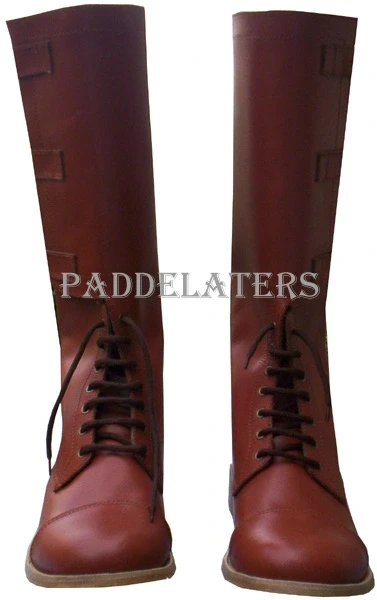
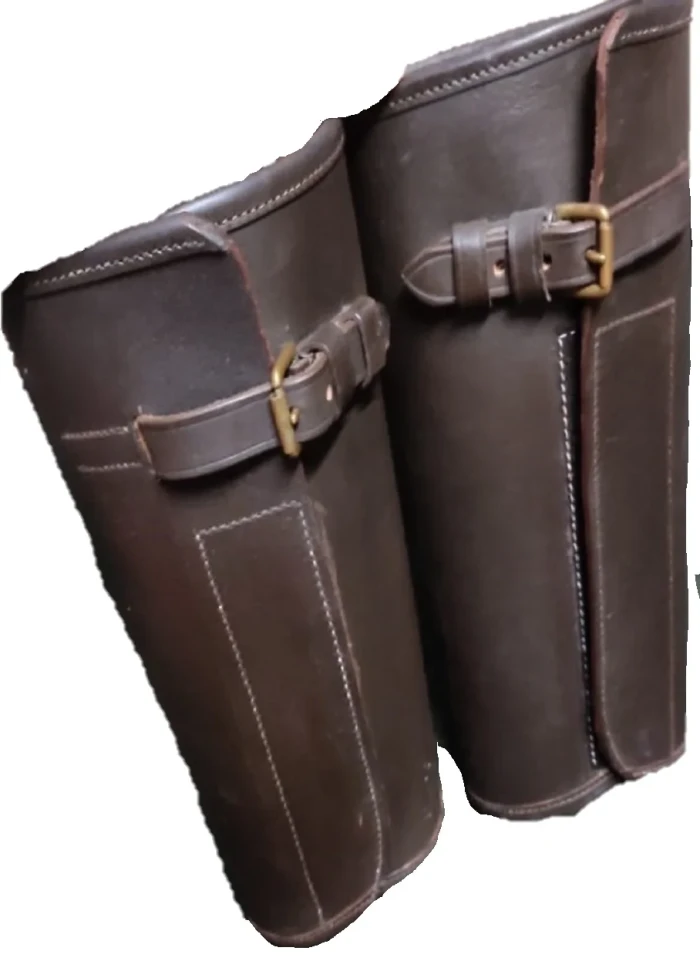
- Puttees (leg wraps) or gaiters, and boots
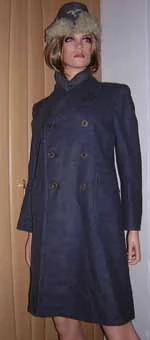
- Greatcoat or (often for officers) a private-purchase trench coat
- Steel helmet later in the war
So when a listing claims “complete trench uniform,” check what is actually included. Many “complete” sets are missing key items, or the parts don’t match the same time period.
Agitate: what can happen if you buy the wrong WW1 uniform
Buying the wrong uniform can cost more than the price tag.
- Money wasted: You pay WW1 prices for a later tunic or a modern replica.
- Bad fit for your goal: A reenactment kit looks “off,” even if you can’t explain why at first.
- Low resale value: Serious buyers avoid mixed or questionable items.
- Endless fixes: Replacing buttons, removing badges, and chasing missing parts can become more expensive than buying right the first time.
Mini case study 1: the “WW1 dated” tunic problem (collector lesson)
Collectors have openly discussed cases where post-1922 pattern tunics were made to look like WW1 by adding dates or other details later. In one well-known collector discussion on a Great War uniform thread, a contributor described seeing WW1 dates stamped into later tunics in a shop setting, and the wider thread warns how convincing these altered tunics can look.
What the buyer learned: don’t trust a single stamp or a seller’s title. Ask for full interior photos and compare construction details, not just a date.
Mini case study 2: auction condition reports (what buyers miss)
UK auction listings sometimes include detailed condition notes that casual buyers skip. One auctioned early First World War officer dress tunic listing described issues like repaired tears, moth holes, areas of staining, and seams coming unstitched.
What the buyer learned: even when an item is correctly identified, condition affects value and long-term care. A bargain can become expensive once repairs and conservation are needed.
Solution: a simple method to buy WW1 British uniforms with fewer mistakes
The solution is not “know everything.” It’s having a process you follow every time.
Step 1: decide your target (collector vs reenactor)
Ask yourself:
- Do you want original WW1, or a replica for wear?
- Do you want early war (1914–15), mid war, or late war?
- Are you building a full British trench uniform First World War kit, or buying one key item?
Step 2: compare the item to known WW1 features
Museums describe uniform pieces in a very practical way: cut, pocket style, collar style, cloth type, and button style. Use that same approach when you read a listing.
Step 3: demand the photos that prove it
Before paying, ask for:
- Front and back photos in good light
- Close-ups of collar, cuffs, pocket flaps, shoulder straps
- Buttons close-up (front and shoulder)
- Inside photos: lining, seams, labels/stamps, and any repairs
- Measurements: chest, shoulder width, sleeve length, back length
Step 4: buy from sellers who can answer basic questions
A serious dealer, museum surplus sale, or established auction house will usually provide:
- Clear pattern/era description
- Condition notes
- Return terms (or at least clear disclosure)
Features to check when learning how to identify WW1 British uniforms
Key elements of WW1 British Service Dress (what many buyers really want)
WW1 British Service Dress is generally khaki and built for field use. When you check a tunic, focus on things you can see and verify:
Cut and collar
Many WW1 service dress jackets are described with a stand-and-fall collar (a collar that stands slightly and folds). If a listing shows a very open lapel style on a “WW1 other ranks tunic,” pause and investigate.
Pocket layout and details
WW1 service dress jackets are often:
- Single-breasted
- Four-pocket layout
- Pocket flaps and pleats that can differ by pattern and date
Small differences matter. A later pattern can look close until you compare pocket shaping and internal construction.
Buttons and hardware
General Service style buttons are common. What matters is consistency:
- Do the buttons match each other?
- Do they look like they have lived on the tunic for the same length of time?
- Are the threads and stitch style consistent?
How to recognise a British trench uniform from the First World War
A trench “uniform” is best understood as layers plus equipment, not one magic coat.
The base layer: Service Dress
- Tunic + trousers in khaki wool
- Puttees and boots
- Webbing equipment for field gear
The outer layer: greatcoat or trench coat
- Greatcoats were issued and common in cold weather.
- Trench coats are strongly linked with officers and private purchase, and they became famous because they show up in photos and later fashion.
If you’re buying a “WW1 trench coat,” ask:
- Is it clearly built as a belted, double-breasted raincoat style?
- Are there features like cuff straps and storm flaps?
- Does the inside show age consistent with the outside?
Badges, insignia, and details to check before buying
Badges are easy to move, and they change the price fast. Use this checklist:
- Stitching: does it look old and consistent, or fresh and bright?
- Placement: does it sit correctly for the rank and unit?
- Shadow marks: are there older stitch holes that suggest badges were swapped?
- Story vs proof: if a seller says “named to a man,” ask what evidence exists (marks, notes, paperwork, or auction history).
Materials, stitching, and wear patterns in original vs replica uniforms
Original WW1 pieces often show
- Wear at elbows, pocket edges, and collar
- Old repairs (sometimes field repairs)
- Moth nips or small holes (common in stored wool)
- Slight variation in cloth tone from age and use
Replicas often show
- Even color and even cloth texture
- Modern thread look
- Clean, uniform stitching and finishing
- No natural wear (unless intentionally aged)
A good replica can still be the right choice—especially for reenactors who need something wearable and safe to move in.
Pros & Cons
Buying original WW1 British uniforms
Pros
- True period construction and materials
- Strong collector interest (especially with good provenance)
- More accurate for display and study
Cons
- Higher risk of moth damage and fragile seams
- More chance of misdated or altered items
- Hard to find complete, matching sets
- Wearable use can cause damage and reduce value
Buying replica British Army uniforms for reenactment
Pros
- Designed to be worn and moved in
- Easier to build a full kit that matches your chosen year
- Less worry about damaging a rare original item
Cons
- Quality varies (cloth, cut, buttons, finishing)
- Some replicas mix features from different years
- Lower resale value than verified originals (in most cases)
Real-world examples / Case study
Case study 1: collector approach using museum-style description
A common collector method is to compare a listing against the kind of details museums record. For example, museum catalogue entries for a 1914 simplified-pattern service dress jacket describe very specific features like a four-pocket layout, stand-and-fall collar, khaki serge cloth, and button layout.
What the collector does: asks the seller for close-ups of collar, pockets, and inside construction to match those features before paying.
Case study 2: reenactor choice after researching pattern details
Reenactors often choose a replica after learning what changes happened across the war. One reenactor-focused uniform write-up on British officer service dress highlights changes like rank being moved to shoulder straps in 1916 and the importance of correct cloth types for the right “look” and drape.
What the reenactor does: picks a year (for example 1916–18), chooses a replica built to that pattern, then has it tailored for fit—because officer uniforms were often private purchase and fit mattered.
FAQs
How can I tell if a British WW1 uniform is original or a replica?
Ask for interior photos and close-ups of stitching, cloth texture, and wear. Compare the cut and pocket/collar details to known WW1 patterns. Be cautious if the only “proof” is a single date stamp.
What are the main parts of a WW1 British trench uniform?
Usually Service Dress (tunic and trousers), boots and puttees, webbing, and an outer layer (greatcoat or trench coat depending on role and weather), plus period-correct headgear for the chosen year.
Are WW1 British Army uniforms still legal to buy and sell?
In many places, yes. The bigger risks are misrepresentation (fraud), restricted insignia rules in some countries, and import/export rules. Always check local laws and marketplace rules.
What should I check before buying a uniform online?
- Clear photos (outside and inside)
- Measurements
- Condition notes (moth, repairs, stains, missing parts)
- Return policy or buyer protection
- Evidence for any “named” or “unit” claim
How should I store a WW1 British uniform to protect it?
Store in a cool, dry, dark place. Use acid-free tissue and breathable storage. Avoid damp areas and check regularly for moth activity.
Why do some WW1 uniforms look “too clean”?
Some surviving uniforms were kept as “best” wear, stored well, or never used at the front. Clean condition is possible, but it should still show age in cloth, thread, and metal parts.
Is it better to buy a complete set or build it piece by piece?
For collectors, a verified set is great but harder to find and expensive. For reenactors, building piece by piece often works better because you can match year, unit, and size more carefully.
Conclusion
A British Army uniform for sale can be a great buy—if you know what you are looking at. The biggest wins come from learning how to identify WW1 British uniforms through simple checks: collar style, pocket details, cloth type, buttons, interior construction, and honest wear.
If your goal is a British trench uniform First World War impression, remember it’s usually a full kit made from several items, not just one coat. Use the checklist, ask for the right photos, read condition notes carefully, and don’t pay WW1 prices for items that can’t be verified.
REQUISITION RELATED GEAR
EXPLORE MORE FIELD REPORTS
Browse all published guides and history articles.
