SYMBOLISM AND MILITARY BEARING ASSOCIATED WITH THE SAM BROWNE BELT
Introduction: Unveiling the WW1 British Officer Uniform
Did you know that military uniforms have a profound impact on the morale of soldiers and the public perception of a nation’s military power? The WW1 British officer uniform, in particular, played a crucial role in symbolizing Britain’s military strength during one of the most brutal conflicts in history. But how much do we really know about the details and significance of these uniforms?
While many people are familiar with the general look of the British soldier's attire in both world wars, fewer understand the intricacies of the WW1 British officer uniform. This article takes a deep dive into this iconic military gear, explores the design elements, and helps you understand its purpose during WW1. Along the way, we’ll compare it with uniforms from other notable conflicts, including the WW2 British soldier uniform, the World War 1 German uniforms, and even the British Zulu War uniform.
If you’re passionate about history and military memorabilia, understanding the evolution of these uniforms can provide a richer perspective on both the wars and the people who wore them. Ready to explore? Let’s begin!
Understanding the WW1 British Officer Uniform
The British officer's uniform during WW1 was not just a piece of clothing but a representation of the nation's military tradition, rank, and role in the war. This iconic outfit was distinct and had elements that helped in identification, status, and even functionality on the battlefield. Here's a closer look at the uniform's key features:
Key Features of the WW1 British Officer Uniform
- The Brodie Helmet: One of the most iconic symbols of WW1, the Brodie helmet provided essential protection against shrapnel. It was widely adopted by the British Army and was known for its round, steel construction and wide brim.
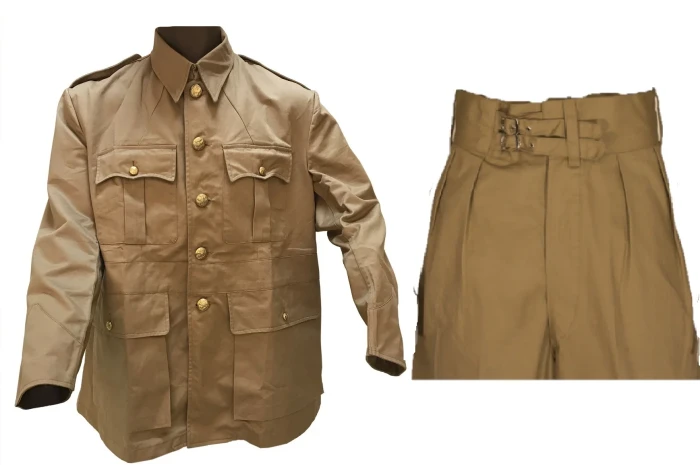
- The Tunic and Trousers: The tunic was typically made of khaki wool, providing both durability and comfort. It had brass buttons and epaulets, with insignia indicating the officer’s rank. The trousers, often tucked into boots, were part of the standard uniform worn by officers, offering practicality and ease of movement.
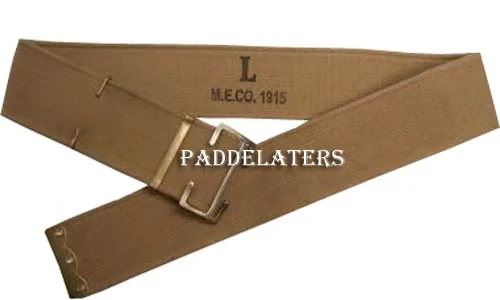
- The Sam Browne Belt: A leather belt worn by officers across their chest, the Sam Browne was more than just a fashion statement. It served as a functional piece, designed to hold the officer’s sword and other equipment. The belt became synonymous with military leadership during this period.
- The Cap: Officers typically wore a peaked cap, which helped distinguish them from enlisted soldiers. The cap often had a regimental badge at the front, serving as a symbol of their unit.
- Insignia and Badges: Rank insignia, including stars, bars, and stripes, were critical for identifying officers in the field. These distinctions were meticulously designed and displayed on uniforms and caps to denote leadership positions.
Comparing the WW1 British Officer Uniform to Other Military Uniforms
While the British officer uniform from WW1 has its unique characteristics, it shares certain similarities with other military uniforms from the era. Let’s take a look at how it compares with other prominent uniforms:
The WW2 British Soldier Uniform vs. the WW1 British Officer Uniform
By the time WW2 came around, military uniforms had evolved, reflecting the changes in warfare. The WW2 British soldier uniform was much more practical for the changing conditions of battle. Some notable differences include:
- The Helmet: The WW2 British soldier wore the distinctive steel helmet known as the "Mk II" helmet, which replaced the earlier Brodie helmet of WW1. This helmet was designed to offer better protection from gunfire and shrapnel.
- The Uniform: While WW1 officers wore wool tunics, by WW2, British soldiers wore more lightweight materials that were more suited for combat and long durations in various weather conditions. The WW2 British soldier uniform was also more standardized to maintain uniformity across ranks.
Comparing the WW1 British Officer Uniform with the WW1 German Uniforms
The British officer's uniform in WW1 had significant differences when compared to its German counterparts. Some notable distinctions include:
- Colour and Design: The German military uniform during WW1 was primarily a field-grey colour, unlike the British khaki. The German uniform also had a more practical design, as the country’s military was heavily focused on efficiency and combat readiness.
- Headgear: The Germans wore the Pickelhaube helmet, a spiked helmet made of metal or leather. While iconic, it was eventually replaced with the Stahlhelm for better protection and effectiveness.
- Rank Insignia: Both German and British uniforms had rank insignia, but the designs were unique to each military tradition. The British officer's uniform prominently displayed brass buttons and epaulets, while a more subtle system of insignia distinguished the German officer's uniform.
The British Zulu War Uniform: A Historic Precursor
Before WW1, the British army had been involved in various conflicts, including the Anglo-Zulu War in the late 19th century. The British Zulu War uniform was a precursor to the WW1 uniform, marked by heavy red coats, which were later phased out due to practicality concerns. The Zulu War uniform helped inform the design decisions made for future conflicts, including the adoption of khaki over red for a more camouflage-friendly approach.
Common Pitfalls to Avoid When Collecting WW1 British Officer Uniforms
For enthusiasts and collectors interested in acquiring authentic WW1 British officer uniforms, there are several pitfalls to watch out for. Knowing what to look for can save you from investing in poor-quality replicas or items that may not hold historical value.
1. Avoid Fake Reproductions
Many sellers offer WW1 British officer uniforms that are reproduced for collectors, but it’s important to ensure the authenticity of any uniform you purchase. Look for signs of age, such as fading or wear marks. Authentic items will have traces of their use and history.
2. Understand the Difference Between Officer and Enlisted Man Uniforms
While the basic design of the British uniform was similar across ranks, there were important distinctions between officer and enlisted man uniforms. Officer uniforms were generally more ornate, with additional accessories like the Sam Browne belt, while enlisted men wore simpler, more utilitarian versions.
3. Check the Maker's Mark and Labels
The best way to verify a WW1 uniform’s authenticity is by checking the maker’s mark and labels. The British military had a few manufacturers that produced these uniforms, and knowing the names of these makers can help confirm whether the uniform is genuine.
4. Know Your Sources
Only buy from reputable sources with a proven track record in military memorabilia. Many online marketplaces and auction houses specialize in historical military items and offer guarantees of authenticity.
Current Trends in Collecting WW1 and WW2 Military Uniforms
As with all areas of collecting, some trends come and go. Currently, there’s a growing interest in acquiring WW1 and WW2 uniforms, particularly as interest in these wars continues to grow through documentaries, books, and online resources.
- Increased Interest in WW1 Collectibles: As more people delve into the complexities of WW1, collecting uniforms has become a major part of historical education. There’s a particular focus on the uniforms of key figures and iconic units.
- Focus on Condition Over Rarity: While rarity still plays an important role in the value of a uniform, many collectors now prioritize condition. Well-preserved, original uniforms are increasingly sought after, particularly when paired with provenance or documented history.
- Virtual Military Auctions: With the rise of online auctions, there are more opportunities to acquire authentic military uniforms. Virtual auctions have become a popular way to buy and sell historical military gear.
Conclusion: Embrace the History Behind the WW1 British Officer Uniform
The WW1 British officer uniform was more than just a practical piece of clothing; it was a symbol of leadership, tradition, and sacrifice. By understanding its key features, comparing it with other military uniforms, and avoiding common pitfalls, you can gain a deeper appreciation for this fascinating piece of history.
Suppose you’re a collector or someone with an interest in military history. In that case, taking the time to research these uniforms and their evolution can enrich your knowledge and connection to the past. So, whether you’re looking to start your collection or explore the history behind these uniforms, dive into the world of WW1 British officer uniforms and discover the stories they have to tell.
REQUISITION RELATED GEAR
EXPLORE MORE FIELD REPORTS
Browse all published guides and history articles.
