UNVEILING WW1 GERMAN UNIFORM INSIGNIA: A DEEP DIVE INTO HISTORY AND EQUIPMENT
Introduction:
The Mystique of WW1 German Uniform Insignia
When you think of World War I, images of trench warfare, artillery bombardments, and heroic stories of soldiers often come to mind. However, one of the lesser-discussed aspects of this global conflict is the insignia worn by the German army during the war. These symbols weren’t just decorative—they were vital parts of the army’s identity, offering both historical significance and a fascinating glimpse into military structure.
Did you know that the WW1 German uniform insignia were not just identifiers, but they also played an essential role in the morale and propaganda of the time? For collectors and historians, understanding these symbols is a crucial piece of piecing together the complex nature of the war. Whether you’re a newcomer to military history or a seasoned collector, this guide will walk you through the key elements of these uniforms and offer insight into what they represented.
The Role of Artillery in WW1
Artillery was the backbone of WW1's military strategy, and its influence can still be seen today in modern warfare. The German military, known for its precision and organization, relied heavily on artillery to break the stalemate of trench warfare. With advances in weaponry, artillery units developed significant roles, utilizing various types of weaponry, from howitzers to field guns. Let’s explore the intersection of artillery and German uniforms to understand how their insignia and equipment were connected.
The Key Elements of WW1 German Uniform Insignia
Understanding the Structure and Symbolism
WW1 German uniforms were detailed and strategic, with each insignia representing various divisions, ranks, and roles within the military. Here’s an overview of the most common insignia you would encounter:
- Waffenfarbe (Branch Color): These colored piping bands on a soldier's uniform identified the division or corps they belonged to. For example, red was used for artillery regiments, while blue indicated infantry. This was one of the most visually striking elements of a soldier’s uniform.
- Shoulder Straps & Epaulettes: These were worn by officers and non-commissioned officers (NCOs) to denote rank and function. They often featured intricate embroidery and could indicate whether a soldier was part of a specific battalion, regiment, or specialized unit.
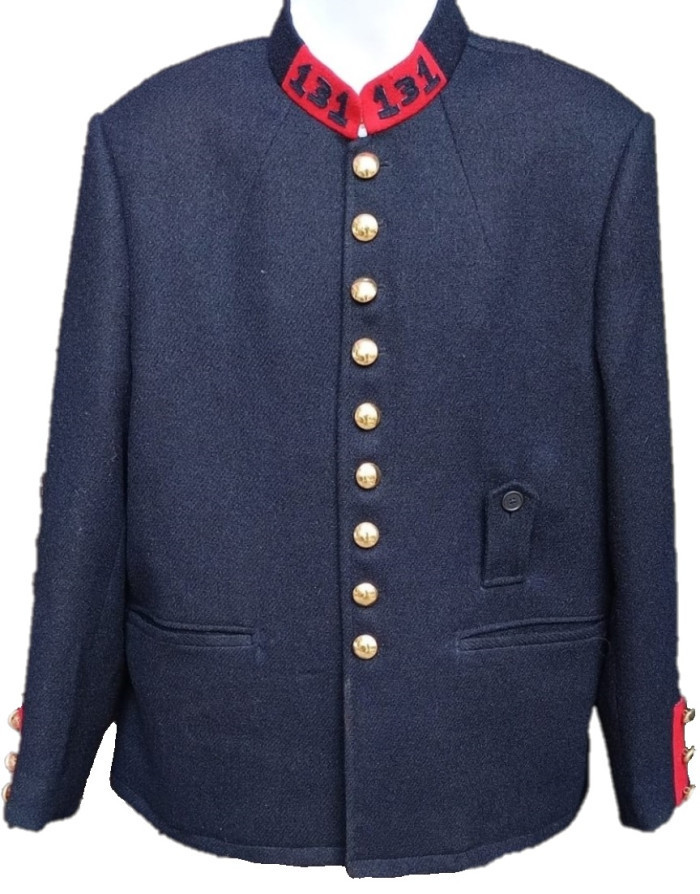
- Collar Insignia: The insignia on the collar often displayed a soldier’s regiment or rank. These were especially important as they marked an individual’s service and were usually highly detailed.
- Buttons and Badges: One of the most visually identifiable features of the German WW1 uniform was the buttons and badges worn. These often depicted the eagle, a symbol of the German Empire, and could indicate the branch of service or rank of the soldier.
- Trench Art: Trench art, though not strictly an insignia, often played a role in identifying soldiers' units. Some soldiers would carve their insignia into personal items, such as shells or bullets.
The Role of Artillery in WW1 and Its Insignia
Connecting the Dots: How Artillery Shaped the German Uniform
Artillery played a central role in WW1 combat, and understanding its significance is key to interpreting the German uniform. The "artillery from WW1" insignia was often prominently displayed on uniforms, with specialized badges and color-coded markings.
The artillery regiment used a variety of weapons, including the howitzer and field gun, which were essential to breaking the stalemate of trench warfare. Soldiers in artillery units wore distinctive insignia to differentiate themselves from other branches. The color red was often associated with artillery, and their insignia would frequently display an image of a cannon or a shell.
Actionable Tip: If you’re a collector, look for these distinctive red-piped uniforms when identifying artillery-related gear. It’s essential to recognize the nuanced details, such as the presence of shells or guns on badges, as these will help you verify the authenticity of pieces.
Common Pitfalls When Collecting WW1 German Insignia
How to Avoid Costly Mistakes
Collectors are often faced with the challenge of distinguishing authentic WW1 German insignia from modern reproductions. Here are some common pitfalls and how to avoid them:
- Reproductions of Propaganda Posters: Often, WW1 German propaganda posters, like those featuring iconic images of soldiers, are mistaken for valuable historical artifacts. Be sure to verify the age and origin of any poster before making a purchase.
- Fake Gas Masks: The German gas mask, a crucial part of the soldier's survival kit, is often reproduced. Always check the labeling and materials used in the mask to ensure it’s an original WW1-era item.
- Mismatched Insignia: Some sellers may offer uniforms with mismatched insignia that don’t correspond to the division or rank of the soldier. Be cautious and cross-check with reliable references to avoid purchasing items with mismatched or incorrect insignia.
- Overpriced Odd WW1 Weapons: Unique or “odd” WW1 weapons can be intriguing, but be cautious. Many of these weapons are highly sought after and can be overpriced, especially if you’re unfamiliar with the true historical value.
Actionable Tip: To avoid these common pitfalls, always consult trusted dealers, expert collectors, and auction houses when acquiring historical items. Research and authenticity checks are essential to ensuring you’re getting the true artifact.
The Fascination with Odd WW1 Weapons
Unearthing the Forgotten Arsenal
In addition to artillery, many odd WW1 weapons make for fascinating additions to any collection. While the artillery was the most crucial aspect of the war, the strange, unconventional weapons designed during WW1 were often experimental and quirky.
Some examples include:
- The Flammenwerfer (Flamethrower): First used by the Germans in WW1, this terrifying weapon would burn through trenches with its stream of fire. These are some of the most iconic, yet odd, weapons from the war.
- WW1 Hand Grenades: Early versions of hand grenades, though crude compared to modern-day versions, were used extensively during the war. Their evolution during the conflict is a testament to the rapid technological developments that took place.
- Submachine Guns: The German MP18, the world’s first submachine gun, was developed in WW1 and revolutionized infantry tactics.
Actionable Tip: When studying these odd weapons, pay attention to their historical context. The development of such unusual tools of war was shaped by the desperate need for new methods of breaking the trench deadlock.
Conclusion:
Discover the Legacy of WW1 German Insignia
WW1 German uniform insignia offer an invaluable window into the past, showcasing the military’s complexity and precision during the conflict. From the colors and patterns that distinguished different units to the fascinating array of odd weapons and technology, these elements continue to captivate collectors, historians, and war enthusiasts alike.
As you delve deeper into the world of WW1 German insignia, remember that each piece tells a unique story—whether it’s a soldier’s rank, division, or the role they played in the artillery that reshaped the course of history. Don’t forget to explore related items like German gas masks and WW1 German propaganda posters, which are integral to understanding the broader cultural and military context of the time.
For anyone passionate about WW1 history, learning about the artifacts of the past is a powerful way to connect with the stories of those who lived through it. Start your collection today and become part of preserving history.
REQUISITION RELATED GEAR

EXPLORE MORE FIELD REPORTS
Browse all published guides and history articles.
