BRITISH MILITARY UNIFORMS: A SYMBOL OF TRADITION, DISCIPLINE, AND PRIDE
Introduction
British military uniforms have long been a symbol of discipline, heritage, and tradition. They tell the story of the nation's military evolution, from the majestic red coats of the British Empire to the more modern combat gear used by today’s soldiers. But beyond the colors, fabrics, and insignia, British army uniforms are much more than just attire—they represent a proud legacy and a deep connection to military history.
In this article, we'll delve into the key elements that make up British military uniforms, focusing on accessories and badges. Whether you're a military history enthusiast, a collector, or just curious about British military tradition, this guide will give you a closer look at what these uniforms really signify.
History and Evolution of British Military Uniforms
The history of British military uniforms is rich, varied, and intertwined with the story of the British Army itself. In fact, uniforms have always played a pivotal role in distinguishing British soldiers, both on and off the battlefield.
In the 17th century, British soldiers were primarily clad in basic leather and wool garments, a reflection of the simplicity of early military attire. It wasn’t until the 18th century, during the reign of Queen Anne, that uniforms started to take on a more standardized form. The iconic red coats, or "British redcoats," became the hallmark of the British Army during this period. Their bright color was not only a symbol of authority and prestige but also helped soldiers stay visible in battle.
Over the centuries, the British Army’s uniforms evolved in response to practical needs, technological advancements, and shifts in military strategy. The red coats were eventually phased out in the 19th century in favor of more practical colors like khaki, which blended better with the natural surroundings during the colonial campaigns.
By the 20th century, the British Army had fully embraced more functional attire, like the iconic battledress and later, modern combat uniforms. However, the tradition of distinctive badges, insignia, and ceremonial uniforms remained strong, adding an important cultural element to the military’s appearance.
Key Accessories in British Army Uniforms
Uniform accessories play a significant role in British military attire, contributing both to functionality and symbolism. From headgear to equipment pouches, each piece is essential in fulfilling a specific purpose.
1. The Shako and Helmet
One of the most striking accessories in historical British military uniforms was the shako, a tall, cylindrical hat that often adorned infantry soldiers during the 19th century. Made of felt or leather, it was decorated with brass fittings and had a plume on top, signifying the soldier's regiment.
In modern uniforms, soldiers wear helmets, but the tradition of distinct headgear continues. For example, soldiers in the British Army wear the Field Service Cap or Beret, with the color often denoting a particular regiment or branch of the military.
2. The Sam Browne Belt
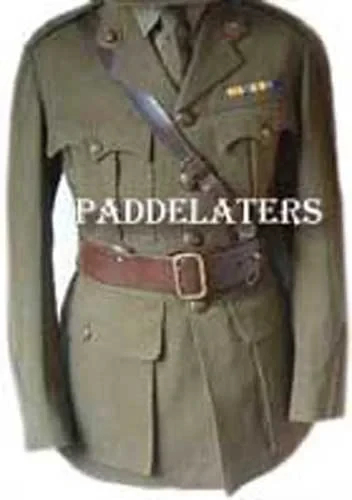
The Sam Browne belt is an iconic accessory in the British Army, often worn by officers. This leather belt, worn over the shoulder and around the waist, holds a sword and acts as a symbol of military rank and authority. Its design was inspired by the uniform of Indian officers during the British colonial period and has become an enduring part of British Army tradition.
3. The Sword
While swords are no longer used in combat, they remain a key part of British military uniforms, particularly for officers. The sword is traditionally worn with the Sam Browne belt and is an important symbol of honor, bravery, and leadership. The design and style of the sword vary by regiment, but it is universally recognized as a status symbol in British military culture.
4. The Webbing and Pouches
In more recent history, the British Army uniform has incorporated practical accessories like webbing. This is a set of pouches and straps worn by soldiers to carry essential gear, including ammunition, water bottles, and field radios. While not as visually striking as the red coats or ceremonial swords, webbing is an essential part of modern military functionality, providing soldiers with the tools they need to perform their duties.
5. Boots and Footwear
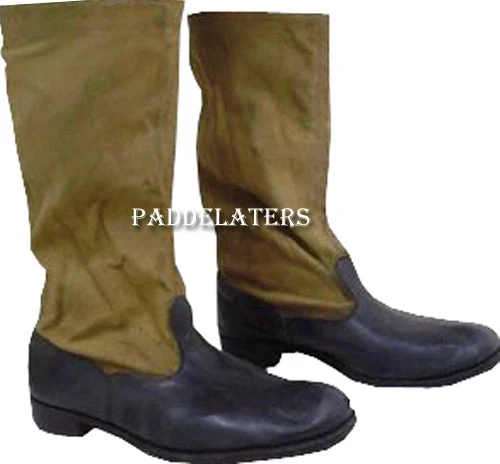
Footwear has evolved from heavy leather boots to lighter, more comfortable, and durable models in modern times. However, in both historical and contemporary uniforms, the boots remain a crucial accessory. They provide not only protection but also help maintain discipline, ensuring that soldiers look uniform and ready for action at all times.
Importance and Design of British Army Badges
Badges are one of the most meaningful and iconic aspects of British military uniforms. They represent everything from regimental affiliation to specific military achievements. Let’s explore how badges have shaped the identity of the British Army.
1. Regimental Badges
Each regiment in the British Army has its own unique badge, often featuring the regimental insignia, which can include symbols like lions, crowns, and swords. These badges are worn with pride and are a symbol of the soldier’s connection to their unit, representing both their history and their role within the military.
For example, the Grenadier Guards, one of the British Army’s most prestigious regiments, wear a distinctive badge featuring a grenade and the regimental motto. This simple but powerful emblem connects soldiers to centuries of military tradition.
2. Rank Insignia
Rank insignia, usually in the form of chevrons or bars, are a common feature on British military uniforms. These badges are sewn onto the uniform to indicate the soldier’s rank, from the lowliest private to the highest-ranking generals. The design and placement of these insignia help maintain order and hierarchy within the army, allowing for quick recognition of authority.
3. Service and Qualification Badges
Another key type of badge is the service badge, which soldiers earn based on their training, experience, or special achievements. For instance, soldiers who have completed airborne training or served in special forces might wear distinctive badges to signify these accomplishments. These badges are a testament to the soldier’s skills and expertise, proudly displayed for others to see.
4. Commemorative and Regimental Medals
In addition to badges, soldiers can also wear commemorative medals, awarded for specific military campaigns or acts of bravery. These medals are typically worn on the chest and hold a significant personal and historical value. Some regiments also issue their own regimental medals to commemorate specific anniversaries or notable battles in the regiment’s history.
Pros and Cons of Uniform Standardization
One of the main characteristics of the British military uniform is its standardization. Every soldier wears the same uniform, which ensures uniformity and discipline. However, this comes with both advantages and challenges.
Pros:
- Unity and Identity: Uniforms promote a sense of belonging and pride among soldiers. Wearing the same attire helps foster camaraderie, making soldiers feel like part of a team with a shared mission.
- Discipline: Standardized uniforms help maintain military discipline and order. Soldiers are expected to keep their uniforms in pristine condition, reinforcing their commitment to duty.
- Recognition: The use of badges and insignia allows soldiers to be easily identified by their rank and regiment, enhancing coordination and respect among peers.
Cons:
- Limited Individuality: While standardization fosters unity, it can also suppress individuality. Some soldiers may feel their personality is stifled by the strict uniform code.
- Practical Limitations: A highly standardized uniform might not always be the most practical for every soldier. For example, traditional uniforms may not always provide the most comfort or utility in certain environments, especially in modern warfare.
- Cultural Shifts: As society becomes more diverse, the traditional designs and symbols on military uniforms can sometimes seem out of step with modern values, creating debates about modernization.
FAQs about British Military Uniforms
Q: What is the significance of the British Army's red coat?
A: The red coat was historically used as a symbol of the British Army, especially during the 18th and 19th centuries. It represented authority and helped soldiers stay visible on the battlefield. Today, it remains a symbol of the Army’s rich history.
Q: Are British military uniforms still worn in ceremonial events?
A: Yes, British military uniforms are still worn during ceremonial events, such as the Changing of the Guard and other state occasions. These uniforms are often highly decorative and include elements like the red coat, bearskin hats, and gold epaulettes.
Q: What is the purpose of military badges?
A: Military badges serve to identify a soldier’s rank, regiment, and special achievements. They are an essential part of a soldier’s uniform, representing their experience and accomplishments within the Army.
Conclusion
British military uniforms are much more than just clothing—they are an emblem of heritage, pride, and tradition. From their historical roots in the red coats to the modern-day functional uniforms, British military attire tells the story of a nation’s military journey. Accessories and badges play an essential role in these uniforms, symbolizing everything from rank to regimental pride.
Whether you’re an enthusiast or a casual observer, understanding the deeper meaning behind these uniforms allows you to appreciate not only the aesthetics but also the historical significance of each element.
REQUISITION RELATED GEAR
EXPLORE MORE FIELD REPORTS
Browse all published guides and history articles.
