WW1 US UNIFORM: UNDERSTANDING THE ESSENTIALS AND HOW TO GET STARTED IN WW1 REENACTMENT
Introduction: The Fascinating Legacy of the WW1 US Uniform
Did you know that over 2 million soldiers in the United States served during World War I, each in a distinctive WW1 US uniform that told a story of sacrifice, pride, and national identity? The WW1 US uniform is not only a symbol of the country's involvement in the war but also an essential piece for historians, collectors, and reenactors alike. If you’re someone passionate about WW1 history or military gear, you’ve probably found yourself drawn to these iconic uniforms. But how do you go about learning about, obtaining, or even recreating one?
In this article, we will guide you through the WW1 US uniform, offering practical advice for purchasing, preserving, and even using these uniforms in WW1 reenactments. Whether you’re just starting or have some experience, we’ll explore common pitfalls, current trends in military gear, and actionable steps to get you on the right track.
H2: Understanding the Essentials of the WW1 US Uniform
The WW1 US uniform is often recognized for its durability and practical design, created to meet the needs of soldiers in the trenches. Each piece was designed with functionality and comfort in mind, and understanding the full ensemble is essential for anyone interested in historical military attire.
Key Components of the WW1 US Uniform
- The Doughboy Helmet (M1917): The iconic steel helmet that protected soldiers from shrapnel.
- The Woolen Service Uniform: Made from wool, this outfit included a tunic, trousers, and boots. The color was a distinctive olive drab.
- The M1911 Pistol and Holster: As the primary sidearm, many collectors search for an authentic holster to complete the uniform.
- The Haversack: A key item for carrying essentials like rations and equipment.
Female Marine Officer Uniforms in WW1
Although the female marine officer uniform became more widely recognized in later years, women began to contribute in various roles during WW1, particularly with the establishment of the U.S. Marine Corps Women's Reserve. Their uniforms were distinct, consisting of a tailored skirt, blouse, and hat, allowing them to serve in non-combat roles such as clerks and telephone operators. Understanding these subtle differences can enhance your research and help you appreciate the variety of uniforms worn during the war.
H2: How to Build an Authentic WW1 US Uniform for Reenactments
Reenacting historical battles or events is a popular way to learn about history and immerse yourself in the experiences of soldiers. If you're interested in WW1 reenactment equipment, building an authentic uniform is an exciting journey, but it requires attention to detail and historical accuracy.
Step 1: Start with the Essentials
Before diving into specialized items, ensure you have the basics. You’ll need the following:
- M1917 Helmet: This is a must-have for anyone portraying a soldier. Make sure to get one that closely matches the original design.
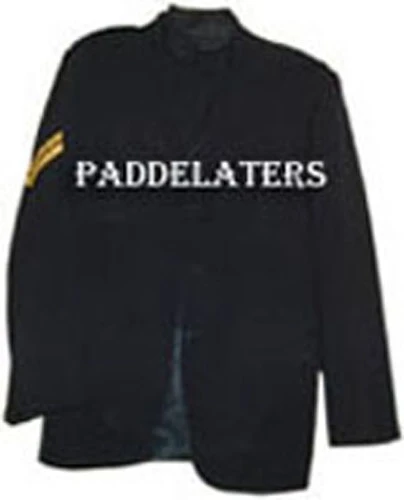
- Woolen Uniforms (Jacket & Trousers): Look for high-quality replicas made from the right fabric and with correct stitching.
- M1911 Sidearm (or Replica): Since authentic firearms can be costly, many reenactors use realistic-looking replicas.
Step 2: Don't Forget Accessories
Once the basics are in place, it’s time to focus on accessories that enhance your uniform's authenticity:
- Haversack: A bag that often includes compartments for survival tools.
- Canteen and Mess Kit: Look for items made of metal that resemble the originals.
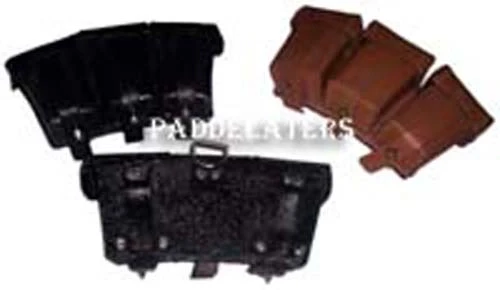
- Ammunition Pouches: Whether leather or canvas, these pouches were common on soldiers during WW1.
Step 3: Pay Attention to the Small Details
The US cavalry uniform of 1880 was quite different from the WW1 uniform, but if you're interested in learning about previous military styles, you may want to investigate their influence on WW1 attire. Key details like rank insignia, unit patches, and leather gear can set your uniform apart. Don't overlook these smaller pieces, as they can make a significant impact.
H2: Common Pitfalls to Avoid When Assembling a WW1 US Uniform
While recreating a WW1 US uniform can be an exciting project, many beginners make common mistakes that can affect the authenticity and functionality of their gear. Here are a few things to watch out for:
1. Choosing Low-Quality Replicas
When looking for uniforms and accessories, it's tempting to go for the cheapest option. However, low-quality replicas may not only lack historical accuracy but also wear out quickly, which can be problematic if you’re using your gear for reenactments. Always prioritize quality over price to ensure the longevity and authenticity of your uniform.
2. Overlooking the Historical Accuracy of the Gear
It’s important to remember that not all military gear is the same. For example, a WW1 German uniform and a WW1 US uniform may appear similar at first glance, but the differences in color, material, and design are significant. Take the time to research each piece and ensure it is true to the historical period.
3. Failing to Care for Your Uniform Properly
After investing time and money into your WW1 US uniform, it’s crucial to take care of it. Wool, leather, and metal components require specific cleaning and preservation methods to avoid damage. Always check for proper storage techniques, such as keeping your uniform in a cool, dry place away from sunlight.
H2: Current Trends in WW1 Reenactment Equipment
Reenactments have become a popular way to experience the past firsthand, and the gear used has evolved with advancements in materials and craftsmanship. Here are some current trends in WW1 reenactment equipment:
1. More Accurate and Durable Replicas
With modern technology, manufacturers can create more accurate and durable WW1 reenactment uniforms and accessories. Many reenactors prefer these high-quality items, even though they may come at a higher cost. These replicas are often indistinguishable from the originals.
2. Customization Options
If you're looking to stand out, there are now more customization options available, allowing you to add unique touches to your uniform. Whether it’s personalized patches or a custom fit, you can now tailor your gear to your specific needs.
3. Focus on Female Soldiers
With increasing interest in female marine officer uniforms, many reenactment groups are now including more representation of female soldiers from WW1. Female participation in the war is becoming a focus, with more gear being created to honor their contributions.
Conclusion: Step into History with Your WW1 US Uniform
Whether you're starting your journey in the world of historical reenactments or are simply fascinated by the military gear of WW1, understanding the details of the WW1 US uniform can provide a deeper connection to the history you love. From choosing the right gear to avoiding common mistakes, the key to an authentic experience is in the details. Now that you’re equipped with this knowledge, it's time to take action and start building your own WW1 collection.
REQUISITION RELATED GEAR

EXPLORE MORE FIELD REPORTS
Browse all published guides and history articles.
