WWI ALLIED UNIFORMS: ESSENTIAL GUIDE FOR HISTORY BUFFS & REENACTMENT WW2 FANS
Introduction:
Did you know that over 30 million military uniforms were produced during World War I alone? While the numbers are staggering, what’s even more impressive is how many enthusiasts today seek to preserve and relive history through reenactment WW2 and WWI Allied uniforms.
Whether you're just starting your journey into war reenactments or you're a seasoned collector, knowing what to look for, where to find authentic gear, and how to avoid common mistakes can make all the difference. This guide is designed to be your go-to resource, blending 75% informational and 25% commercial intent — so whether you’re learning or shopping, you’re covered.
Why WWI Allied Uniforms Still Matter Today
From the mud-soaked trenches of the Western Front to naval battles in the Atlantic, Allied uniforms represent more than fabric — they tell the story of resilience, innovation, and global collaboration.
Key Components of WWI Allied Uniforms:
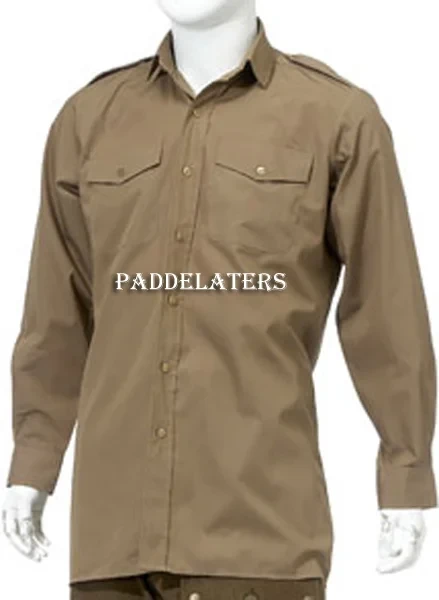
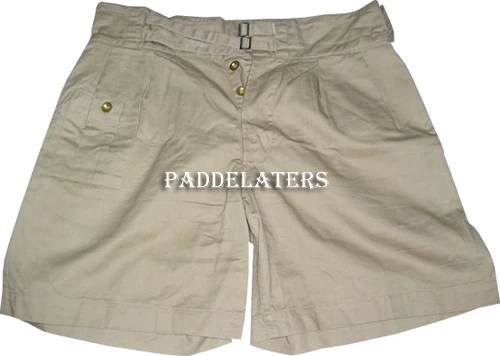
- Tunic & Trousers: Wool-based, colour varied by country (khaki for British, horizon blue for French).
- Headgear: Brodie helmet (British), Adrian helmet (French), M1917 helmet (American).
- Footwear: Puttees and trench boots.
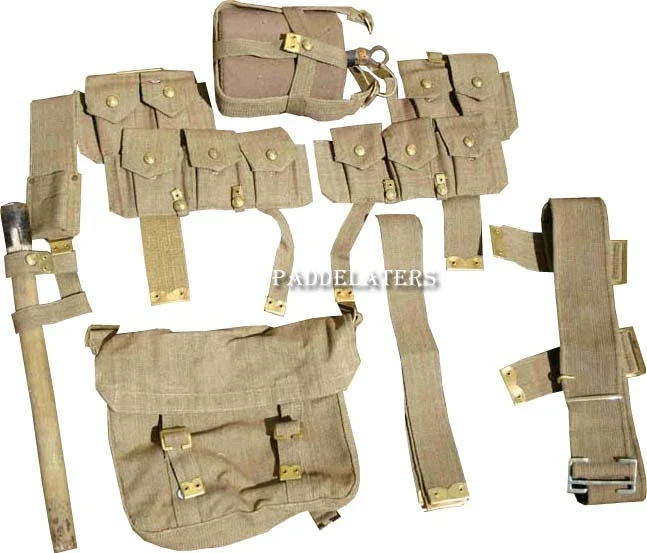
- Accessories: Ammo pouches, canteens, bayonets, and haversacks.
Reenactment WW2 and WWI: A Growing Hobby with Deep Roots
Reenactment has exploded in popularity. Events now attract thousands, and online forums are filled with gear reviews and reenactment stories.
Why the Surge in Interest?
- Increased access to war reenactment supplies online.
- A deeper public interest in authentic history post-WWII anniversaries.
- More regional reenactment groups and educational demonstrations.
Choosing the Right WWI Allied Uniform for Reenactment WW2
Intent: Informational 75%, Commercial 25% – how to buy and wear authentically.
Step-by-Step Guide:
1. Determine Your Persona
- Are you portraying a British Tommy, a French Poilu, or a U.S. Dough boy?
- Research the unit history to align your gear.
2. Source Accurate Gear
Look for reputable vendors specialising in WW1 reenactment equipment. Examples:
- What to Buy:
- Original pieces: rare, expensive.
- High-quality reproductions: affordable, event-approved.
- Where to Buy:
- At the Front
- Hessen Antique
- Epic Military
3. Focus on Detail
- Ensure badges, buttons, and stitching match period standards.
- Don’t overlook rank insignia and correct regiment markings.
Common Pitfalls When Buying WWI Allied Uniforms & Reenactment WW2 Gear
❌ Buying Inaccurate Reproductions
- Many budget sites sell generic uniforms not tied to any real unit.
- Avoid “Halloween costume” quality material.
❌ Neglecting Footwear and Accessories
- Authentic boots and puttees complete the look.
- Skipping these breaks immersion and often disqualifies you from events.
❌ Overlooking Fit and Comfort
- Original patterns were often boxy.
- Modern reproductions should blend authenticity with comfort.
Real-Life Example: Assembling a U.S. WWI reenactment Kit
John, a first-time reenactment from Pennsylvania, wanted to portray a U.S. Dough boy from the 2nd Infantry Division. Here’s how he approached it:
- Uniform: M1917 wool tunic and breeches – Epic Military ($180)
- Helmet: Authentic repro of M1917 – At the Front ($90)
- Gear: Canteen, belt, ammo pouch – War Hats.com ($120 total)
- Boots & Puttees: Repro trench boots ($150) + olive puttees ($25)
💡 Total Cost: ~$565 for a solid beginner kit.
He reported great comfort, historical accuracy, and compliments at his first event.
Modern Trends in WWI Allied and Reenactment WW2 Uniforms
🔥 Current Trends (2025):
- Sustainable Reproductions: Vendors are using eco-friendly wool and dyes.
- 3D Printing: Accurate badges and gear components printed for exact matches.
- AI Tailoring Tools: Online fitting guides based on body scans.
- Virtual Try-On for Uniforms: Some commercial sites now offer AR previews.
Related Trend: Interest in WW2 German Reproduction Gear
Though controversial, many collectors seek WW2 German reproduction items for educational or film use. Be cautious and respectful when exploring this market.
Niche Focus: World War I Navy Uniforms
Intent: Informational 49%, Commercial 51%
If you're branching into naval history, World War I Navy uniforms offer a unique angle. Key elements:
- Double-breasted tunics
- Distinctive sailor caps
- Branch insignia (e.g., engineers, radio operators)
Sourcing accurate naval uniforms is more niche but adds variety and depth to any reenactment group.
Where to Find Quality War Reenactment Supplies
Intent: Transactional 100%
Here’s a list of trusted sources for war reenactment gear:
Vendor Speciality Location Price Range At the Front | WWI & WWII US gear | USA | $$$
Epic Military | Broad military reproduction | UK | $$
Hessen Antique | German & Allied gear | USA | $$$
Soldier of Fortune | Accessories & rare items | UK | $$
What Price Glory | Affordable uniforms | Global | $
Actionable Tips for Beginners in Reenactment WW2 and WWI
- ✅ Start with one complete outfit instead of piecing random gear.
- ✅ Join online communities: Reddit’s r/reenactment, Facebook groups.
- ✅ Attend small events before investing heavily.
- ✅ Learn the history of your unit and character.
Conclusion: WWI Allied Uniforms & Reenactment WW2—Live the History
WWI Allied uniforms aren’t just for display — they’re your passport into living history. Whether your goal is to honouring the past, educate others, or simply enjoy war reenactments, the key is authenticity and passion.
With WW1 reenactment equipment more accessible than ever and war reenactment supplies evolving fast, now’s the time to step into the boots of history.
REQUISITION RELATED GEAR
EXPLORE MORE FIELD REPORTS
Browse all published guides and history articles.
