UNDERSTANDING THE LEGACY OF WW1 UNIFORMS: FROM THE DOUGHBOY TO THE FLYING ACE
Introduction: Did You Know WW1 Uniforms Are Still in High Demand?
Did you know that WW1 military uniforms are one of the most sought-after items for collectors, reenactors, and history enthusiasts alike? Whether you're a historian, a reenactor, or simply passionate about military history, understanding the various army uniforms used in WW1 can deepen your appreciation of the war and its historical significance.
This guide dives deep into the uniforms worn by US and German soldiers during the Great War, with a particular focus on practical advice for collectors, reenactors, and those selling military uniforms. In addition, we’ll highlight the latest trends in the market, common pitfalls to avoid, and how you can make the most of your interest in WW1 uniforms.
H2: Understanding the WW1 US Army Uniform: Essential Features & Key Insights
The WW1 US uniform was a crucial part of the American military’s identity during the Great War. Featuring practical designs suited for the harsh conditions of trench warfare, these uniforms have left a lasting legacy.
H3: Key Features of the WW1 US Uniform
The US Army’s uniform in WW1 was known for its distinctive look and durability. Here are some essential characteristics:
- Material: The US WW1 uniform was primarily made from wool, which provided warmth and protection. However, the wool could also be uncomfortable in warmer weather.
- Colour: The standard colour was olive drab, which offered some camouflage in the trenches but also made soldiers easily identifiable from afar.
- Headgear: The iconic Brodie helmet was introduced during WW1, offering increased protection against shrapnel.
- Uniform Pieces: The uniform included a service coat, trousers, and a shirt, alongside leather boots, belts, and gloves.
For collectors, a key feature of the WW1 US uniform is its uniqueness compared to modern military apparel, and these pieces can be quite valuable today. When looking to purchase or sell items like the WW1 US uniform, it's important to inspect them for original stamps, tags, and any distinguishing marks.
H3: Current Trends in Collecting WW1 US Uniforms
Today, there’s a rising interest in WW1 uniforms, particularly among collectors and reenactors. The market for these uniforms has remained strong due to the increasing popularity of WW1 reenactments and history enthusiasts looking to preserve and honour the past. The demand for genuine, well-preserved US Army uniforms is higher than ever.
If you’re considering selling WW1 US uniforms, it’s critical to understand that buyers are looking for authenticity and condition. You should aim to sell items that are in good shape or properly restored, as well-preserved items command a premium price.
H2: The WW1 German Uniform: A Riveting Piece of Military History
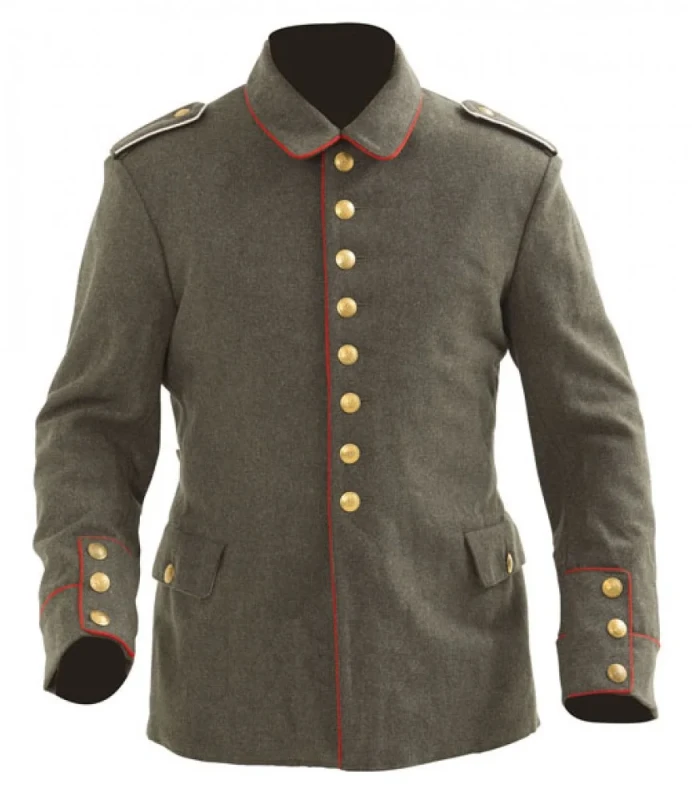
The German uniform from WW1 also holds significant historical value. Known for its distinctive style, the German military uniform was a key part of the country's military strategy. Collectors and reenactors frequently seek it due to its importance in the war.
H3: Key Features of the WW1 German Uniform
The German army had several unique elements in its WW1 uniform, which made it stand out:
- Pickelhaube Helmet: The iconic spiked helmet was a key feature of the German military uniform, although the steel helmet later replaced it for greater protection.
- Colour and Material: German uniforms were typically field-grey, which offered better camouflage than the brighter colours used by other nations.
- Field Gear: The Germans often wore a leather belt and carried bayonets and gas masks, both of which were essential for survival in the trenches.
- Tunic and Trousers: The tunic was fitted with brass buttons, and soldiers wore woollen trousers. These uniforms were designed for functionality while still maintaining a sharp military appearance.
H3: Selling and Buying WW1 German Uniforms
If you are interested in purchasing or selling a WW1 German uniform, be aware that original uniforms can be quite expensive due to their historical importance. Sellers should ensure they have certificates of authenticity, especially for higher-end items. Moreover, modern replicas are commonly found in the market, so buyers must carefully inspect items before making a purchase.
For reenactment purposes, you can often find quality reproduction uniforms, but if your goal is historical preservation, the real thing is always the more sought-after option.
H2: The Iconic WW1 Flying Jacket: A Must-Have for Aviation Enthusiasts
One of the most iconic pieces of clothing from WW1 is the flying jacket, worn by aviators during the war. These jackets were designed to keep pilots warm at high altitudes, but they have since become a significant symbol of the air war in WW1.
H3: Key Features of the WW1 Flying Jacket
The WW1 flying jacket, often made from sheepskin, was both functional and stylish. Here’s what you need to know about these jackets:
- Material: The jackets were crafted from thick, durable leather to withstand cold temperatures and the harsh conditions at high altitudes.
- Design: With a fur-lined collar and a thick lining, the flying jacket helped to protect pilots from freezing temperatures. The classic "bomber jacket" look originated from these designs.
- Pockets: The jackets often had deep pockets for storage and added warmth.
H3: Trends in WW1 Flying Jackets
Flying jackets are popular among collectors due to their rare nature and the connection they have to aviation history. Today, they are sometimes sold as part of military uniform collections or as standalone pieces for aviation enthusiasts. However, they are becoming harder to find in original condition.
If you plan to buy or sell a WW1 flying jacket, it’s essential to understand the value of the jacket’s materials and condition. High-quality replicas are available for reenactment purposes, but original jackets are a real prize for serious collectors.
H2: Pitfalls to Avoid When Buying or Selling WW1 Military Uniforms
While buying or selling military uniforms from WW1 can be rewarding, there are some common pitfalls to watch out for. These mistakes can affect your investment and enjoyment in the hobby.
H3: Common Mistakes to Avoid
- Buying Reproductions Without Knowing: Many replicas are sold as original items. Always verify authenticity before making a purchase.
- Neglecting Proper Care: Military uniforms, especially those from WW1, can be fragile. Be sure to store your items properly to avoid deterioration.
- Ignoring Market Trends: The demand for specific uniforms fluctuates. Always research the current market to avoid overpaying or undervaluing items.
Conclusion: Start Your WW1 Military Uniform Journey Today!
Whether you’re interested in owning a piece of WW1 history, becoming a reenactor, or selling military uniforms, understanding the details of US, German, and flying jackets is essential. There’s never been a better time to dive into the world of WW1 military uniforms, thanks to the increased interest and value they hold.
So, whether you’re looking to buy, sell, or learn, keep in mind the trends and potential pitfalls discussed. Authenticity, preservation, and a little knowledge can go a long way in this fascinating hobby. Start your collection today, and join the community of passionate collectors and reenactors who keep the memory of WW1 alive.
REQUISITION RELATED GEAR
EXPLORE MORE FIELD REPORTS
Browse all published guides and history articles.
