ARMY AIR CORPS UNIFORM GUIDE: WWI AMERICAN UNIFORM PARTS, HISTORY & COLLECTING TIPS
Introduction: Why WWI American Uniforms Still Matter
Did you know that during World War I, the U.S. military produced over 4 million uniforms to outfit its soldiers? These weren’t just clothing—they were symbols of duty, identity, and survival on the battlefield.
Today, WWI American uniform parts continue to fascinate collectors, historians, and enthusiasts of military history. Among the most iconic pieces is the Army Air Corps uniform, which set the foundation for U.S. air service attire in both World Wars.
In this guide, we’ll break down the key parts of WWI uniforms, explore how the Army Air Corps uniform evolved, and give you actionable tips to start (or improve) your collection. Whether you’re drawn to the history, the craftsmanship, or the investment potential, this article will help you navigate with confidence.
The Evolution of the Army Air Corps Uniform
The Army Air Corps uniform was more than just military clothing—it symbolized America’s entry into global air power. During WWI, aviation was still new, but pilots quickly became the icons of courage. Their uniforms were both practical and stylish, designed for protection and pride.
Key Features of the Army Air Corps Uniform:
- Wool tunics and breeches for warmth and durability.
- Leather flying coats and boots to withstand cold cockpit conditions.
- Visor caps and goggles for sun and wind protection.
- Army service uniform tie, which gave pilots a sharper, professional look.
👉 Actionable Tip: If you’re collecting, always check stitching, wool quality, and insignia placement. Many reproductions exist, but authentic WWI uniforms have unique hand-stitched details.
Breaking Down WWI American Uniform Parts
To truly understand the Army Air Corps uniform, you need to know the basic building blocks of WWI American uniforms. Here are the core parts:
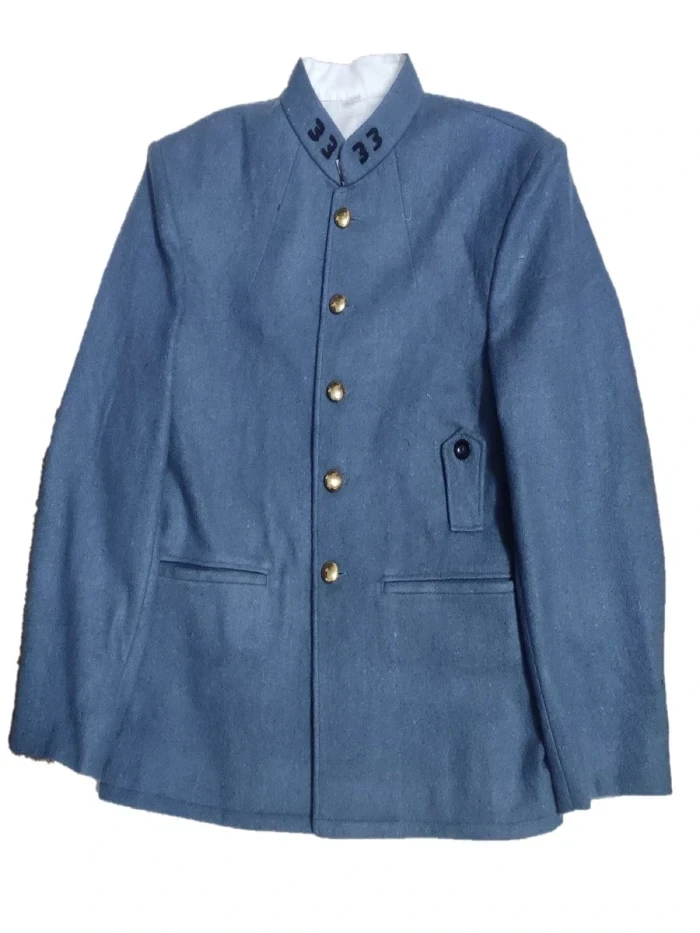
1. Tunics and Jackets
- Made of wool serge.
- Typically in olive drab (OD green fatigues).
- Officers often had higher-quality tailored versions.
2. Breeches and Trousers
- “Riding breeches” with flared thighs for mounted service.
- Worn with puttees (cloth wraps) or leather leggings.
3. Headgear
- M1917 helmet (similar to the British Brodie helmet).
- Soft caps for non-combat wear.
4. Footwear
- Russet brown ankle boots.
- Sturdy hobnailed soles for rough terrain.
5. Accessories
- Belts with cartridge pouches.
- Army service uniform tie in khaki or OD green.
- Goggles and gloves for pilots.
👉 Common Pitfall: Many novice collectors confuse WWI wool tunics with WWII versions. Always verify the contract date stamped inside the lining.
Army Air Corps Uniform in WWI vs. WWII
The Army Air Corps uniform underwent significant changes between the two wars.
FeatureWWI Army Air CorpsWWII Army Air Corps
Fabric Heavy wool Lighter wool blends
Colors Olive drab (OD green fatigues), “Pinks and greens” (tan trousers, OD coats)
Style Riding breeches Straight-leg trousers
Headgear: Leather helmets, goggles, Crusher caps, officer visors
👉 Current Trend: Collectors are now seeking new army greens and pinks, the modern throwback uniform introduced by the U.S. Army in 2018, inspired by WWII classics.
How to Start Collecting WWI American Uniform Parts
Collecting military uniforms can feel overwhelming at first, but with the right approach, it’s both rewarding and educational.
Step 1: Define Your Focus
- Army Air Corps uniform items (jackets, flight gear).
- Infantry uniforms (M1917 helmets, wool tunics).
- Accessories (ties, insignia, boots).
Step 2: Learn to Spot Originals
- Look for wartime contract labels.
- Examine wear-and-tear—authentic pieces show age.
- Check buttons and insignia; originals are often brass with U.S. markings.
Step 3: Build Connections
- Join online collector forums.
- Visit military shows and museums.
- Network with other enthusiasts who can verify authenticity.
Step 4: Start Small
- Begin with army service uniform ties or caps.
- Work your way up to full OD green fatigues or pilot coats.
👉 Real-Life Example: One collector started with a $50 Army Air Corps tie. Over 5 years, he built a collection worth over $20,000, including rare pilot wings and jackets.
Common Pitfalls in Collecting WWI Uniforms
Even seasoned collectors make mistakes. Here are some to avoid:
- ❌ Buying without research → Leads to overpaying for reproductions.
- ❌ Ignoring condition → Moth holes and rot can destroy value.
- ❌ Confusing service eras → WWII uniforms are often mislabeled as WWI.
- ❌ Neglecting documentation → Provenance adds credibility and resale value.
👉 Pro Tip: Always ask sellers for provenance or service records tied to the uniform.
Current Trends in WWI and WWII Uniform Collecting
Military collecting isn’t just about the past—it evolves with time.
- New Army Greens and Pinks: A modern revival uniform sparking renewed interest in WWII-era styles.
- Digital marketplaces: eBay, Heritage Auctions, and specialty shops make rare finds more accessible.
- Restoration services: Specialists now restore moth-eaten wool to preserve authenticity.
- Rising prices: Authentic Army Air Corps uniforms have doubled in value in the last decade.
👉 Actionable Tip: If you want to future-proof your collection, invest in officer uniforms and aviation gear—they’re rarer and in higher demand.
Conclusion: Why the Army Air Corps Uniform Still Inspires Collectors
From wool tunics to leather flight gear, WWI American uniform parts tell powerful stories of bravery and innovation. The Army Air Corps uniform stands out as a symbol of America’s early air power, bridging the gap between WWI and WWII traditions.
REQUISITION RELATED GEAR


EXPLORE MORE FIELD REPORTS
Browse all published guides and history articles.
