WW1 GERMAN OFFICER UNIFORM VALUE GUIDE: WHAT TO LOOK FOR BEFORE YOU BUY
WW1 German Officer Uniform: A Collector’s Guide to History, Style & Strategy
Did you know? Over 10 million uniforms were produced during World War I — yet authentic German officer uniforms remain some of the rarest and most sought-after military collectibles today.
Whether you're a passionate historian, a military reenactor, or a collector diving into the world of WW1 and WW2 memorabilia, the WW1 German officer uniform offers a fascinating mix of history, symbolism, and style. From the finely crafted Luftwaffe uniforms to the iconic German SS caps, every detail tells a story — and knowing how to read it is both a skill and an art.
The Evolution of the German Officer Uniform (1914–1918)
What Made the WW1 German Officer Uniform Unique?
The WW1 German officer uniform was more than just clothing — it was a symbol of rank, prestige, and identity. German officers often wore tailor-made coats (commonly known today as SS uniform coats) designed for both comfort and authority on the battlefield and beyond.
Key features of WW1 German officer uniforms included:
- Feldgrau (field gray) wool fabric – introduced to improve camouflage.
- Stand-and-fall collars – bearing rank insignia and sometimes regimental numbers.
- Double-breasted tunics – more common in officers' dress uniforms.
- Red piping and cuff details – denoting elite units and higher ranks.
- German military hats – including Pickelhaube (spiked helmet) and the M1910 Feldmütze (field cap).
🔍 Pro Tip: Many WW1 officer coats are often confused with early WW2 SS uniform coats. Look for date stamps inside the lining and original tailor tags to verify authenticity.
Luftwaffe Uniform Origins: From WW1 Aviators to WW2 Dominance
While the Luftwaffe is commonly associated with World War II, its aesthetic and organizational roots can be traced back to WW1. In fact, German aviators in WW1 wore modified officer tunics that prefigured the iconic Luftwaffe uniform style later made famous during WW2.
Features found in early Luftwaffe-style uniforms:
- Blue-grey color replacing feldgrau for the air force visibility and prestige.
- Breast eagle insignia – introduced in WW1 and formalized in the Luftwaffe.
- Leather flight jackets and padded trousers – designed for cold aerial conditions.
🧭 Modern Trend Alert: Reenactors and collectors now seek out transitional uniforms—WW1 officer pieces modified in the interwar period for early Luftwaffe use. These hybrids are rare and valuable.
Actionable Tips for Collecting Authentic WW1 German Officer Uniforms
If you're just starting in the world of WW1 military collecting or want to upgrade your collection, follow these expert, beginner-friendly steps:
✅ Step-by-Step Guide:
- Learn the Timeline: Understand changes between early-war (1914–1916) and late-war (1917–1918) uniforms.
- Verify Materials: Authentic wool should feel dense, with natural fibers, not synthetic.
- Inspect Stitching: Machine-stitching was common, but hand-finished seams are a sign of officer-grade garments.
- Look for Stamps & Tags: Check for depot markings, maker stamps, and tailor labels.
- Check Provenance: Ask for documentation or photos of origin when buying from dealers.
❌ Common Pitfalls to Avoid:
- Buying replications at original prices – many modern copies closely mimic originals.
- Ignoring condition grading – moth damage, missing buttons, or restoration affects value.
- Not understanding insignia – correct insignia makes or breaks authenticity.
- Assuming WW2 pieces are WW1 – a common error due to similar cuts in early SS coats.
Spotlight: German Military Hat Styles & Iconic SS Caps
The German military hat played a significant role in officer identity. From ceremonial Pickelhaube helmets to understated Feldmützen, each hat signified a branch or rank.
Popular WW1 Officer Headgear:
Hat Style Description Collecting Tip
Pickelhaube Spiked leather helmet, brass fittings. Beware of resin reproductions. Originals have aged leather and stitching.
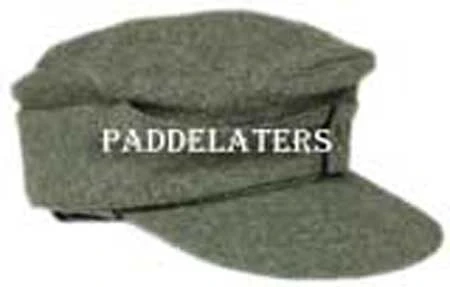
Feldmütze (M1910) Soft cap with piping. Look for original regimental colors.
German SS Cap (early designs) Peaked visor cap Avoid post-war fantasy pieces. Compare the eagle insignia design.
Modern Relevance: Collecting, Reenacting & Commercial Trends
While interest in general uniform collecting spans many wars, WW1 German officer uniforms hold a special place due to their craftsmanship and historical significance.
📈 Current Trends:
- High demand for Luftwaffe and early SS-style officer coats with traceable provenance.
- Reenactment groups seeking authentic gear for immersive events.
- 3D scanning and replicas for museums and film production—the commercial sector is booming.
- Online marketplaces like eBay, militaria shows, and niche auction houses serve collectors.
💡 Transactional Intent Tip: If you're planning to sell or buy, timing matters. Prices peak around historical anniversaries and major military conventions.
Conclusion: Start Your Uniform Journey Today
Exploring the WW1 German officer uniform is like walking through a living museum — each stitch and insignia reflects a story from the front lines. Whether you’re hunting for a Luftwaffe tunic, curious about the origins of the German SS cap, or restoring a general uniform, there’s a deep, rewarding world waiting for you.
REQUISITION RELATED GEAR
EXPLORE MORE FIELD REPORTS
Browse all published guides and history articles.
