WWI US ARMY UNIFORMS: HOW TO CHOOSE THE PERFECT COMPONENTS FOR REENACTMENTS AND COLLECTIONS
Introduction: Understanding WWI US Army Uniform Components
When diving into the world of historical military uniforms, the WWI US Army uniform stands out as one of the most popular and important pieces among collectors, reenactors, and history enthusiasts alike. The uniforms of the American Expeditionary Forces (AEF) from World War I are not only symbols of the bravery and sacrifice of those who served, but they also hold immense value as artifacts of history. At Paddelaters.com, we specialize in creating meticulously crafted, authentic reproductions of WWI US Army uniforms and gear that allow individuals to immerse themselves fully in the past, whether for reenactments, displays, or personal collections.
In this article, we’ll explore the key components of a WWI US Army uniform, offering practical tips and guidance on what to look for when purchasing high-quality reproductions. Whether you're interested in historical accuracy or the craftsmanship involved, this guide will help you make informed decisions when buying a WWI US Army uniform.
Historical Significance of the WWI US Army Uniform
The WWI US Army uniform is rich in history and tells the story of American soldiers' involvement in the Great War. The iconic Doughboy, as American soldiers were often called, wore distinctive gear designed for utility, comfort, and protection during the harsh conditions of World War I.
- The Uniform Design: The uniform was made primarily from wool, a durable and warm material, with khaki being the most common color used for the enlisted men. The design aimed to provide soldiers with the practicality needed for trench warfare while maintaining a professional military appearance.
- Symbol of Patriotism: The uniform became a symbol of American patriotism and a mark of the soldiers’ courage and service. It represents not only the individual sacrifices of soldiers but also the strength of the nation as a whole during a time of global conflict.
- The Role of Reenactments: Reenactments are an excellent way to relive history and commemorate the events of WWI. A high-quality reproduction of the WWI US Army uniform is essential for those participating in such reenactments, ensuring historical accuracy and respect for those who served.
Key Features of a WWI US Army Uniform
When shopping for a WWI US Army uniform, authenticity, material, and craftsmanship are crucial factors to consider. Below are some key components and features to look for in a quality uniform reproduction:
1. Fabric and Materials
The original WWI US Army uniforms were made from heavy woolen fabrics, designed to endure the physical demands of war. When purchasing a reproduction, look for wool blends that replicate the texture and feel of the original uniforms. Authentic reproductions will often use period-appropriate fabrics such as:
- Wool: For jackets, trousers, and shirts.
- Cotton: For undershirts and inner layers.
- Leather: For equipment like belts and boots.
2. The Uniform Jacket
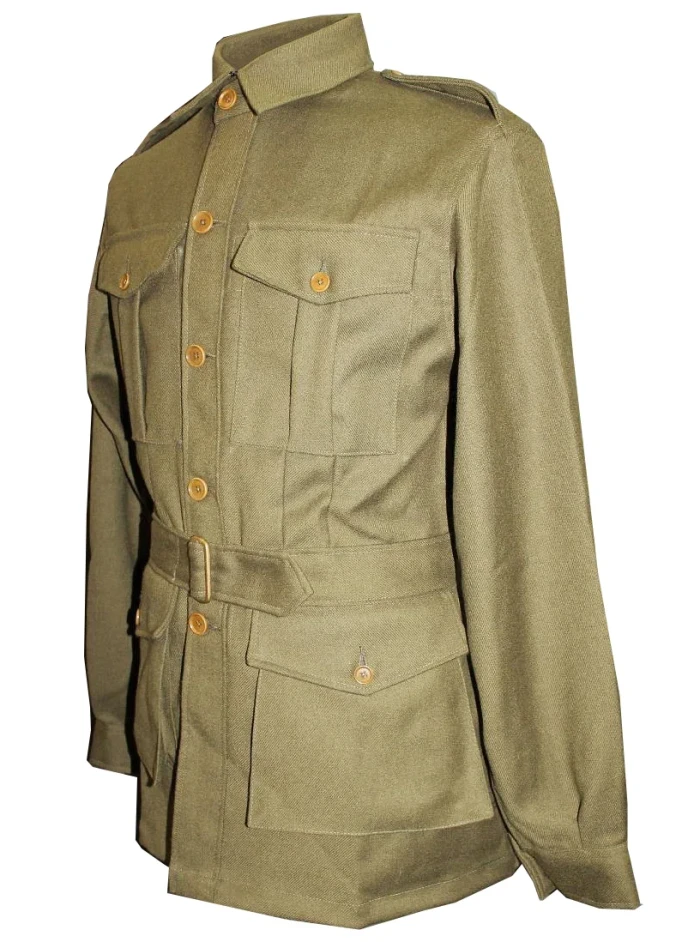
The iconic WWI US Army jacket was a woolen coat with a stand-up collar, equipped with buttons made of brass. Key features to check for include:
- Shoulder Epaulets: For officers, epaulets denote rank and add to the authenticity.
- Fitting and Cut: The jacket should have a structured, tailored look with a proper fit, mimicking the original design.
- Correct Button Placement: The buttons must be positioned as in the original, with correct brass details.
3. The Trousers
The trousers were designed to be durable and comfortable for long periods of use in the trenches. Look for trousers made from wool or a similar heavy fabric with the following features:
- Straight Legs: The pants should have a straight cut with a slightly baggy fit to ensure mobility.
- Reinforced Knees: Look for trousers with additional material at the knees, as these areas would endure the most wear.
4. Headgear: The Doughboy Helmet
The M1917 helmet, nicknamed the "Doughboy" helmet, was an essential component of the uniform. Reproductions of this helmet should feature:
- Steel Construction: The helmet was made of steel to protect soldiers from shrapnel.
- Liner: The interior should have a period-correct liner, which was typically made from leather or cloth.
- Relief Detailing: Accurate markings or lack thereof should be observed, depending on whether it’s an enlisted or officer version.
Use Cases for WWI US Army Uniforms
Reenactments
Reenactment events are one of the most popular ways to experience history. Participants must wear accurate, high-quality uniforms to ensure their portrayal is as realistic as possible. A properly sourced WWI US Army uniform allows reenactors to take part in these events with the utmost respect for history and attention to detail.
Collecting Military Memorabilia
For collectors of military history, owning a WWI US Army uniform represents an important piece of American history. Reproductions are often more accessible than originals, which can be costly and difficult to find. However, high-quality reproductions maintain the same aesthetic appeal, providing collectors with a tangible connection to the past.
Tips for Choosing a High-Quality WWI US Army Uniform
When choosing a WWI US Army uniform, consider the following tips:
- Authenticity: Always ensure the uniform you are purchasing closely mirrors the original specifications. Check for details like the correct buttons, epaulets, and materials.
- Fit: The fit is essential, especially for reenactments. Make sure the uniform is tailored to your measurements or available in the correct size.
- Vendor Reputation: Always buy from reputable sources that specialize in military reproductions. Look for businesses with positive reviews and expertise in the field. Visit Paddelaters.com to explore our range of WWI US Army uniforms.
- Material Quality: Opt for uniforms made from durable materials that closely resemble the original fabrics.
Comparison Table: US WWI Uniform
ComponentOfficer VersionEnlisted VersionMaterialPrice Range
Jacket More ornate, with epaulets Simpler design Wool Blend $150 - $300
Trousers Tailored fit, high-quality wool Straight cut, heavy wool Wool $100 - $250
Helmet M1917 helmet, steel construction M1917 helmet, steel construction Steel $100 - $200
Key Considerations When Buying a WWI US Army Uniform
FactorConsiderations
Authenticity: Ensure accurate replicas of materials, buttons, and construction.
Fit Choose based on your measurements for comfort and mobility
Craftsmanship: Look for high-quality stitching and attention to detail
Vendor Reputation Purchase from trusted sources like Paddelaters.com
FAQs
1. What are the main components of a WWI US Army uniform?
The primary components include the woolen jacket, trousers, helmet (M1917), belt, boots, and the iconic Doughboy helmet.
2. How can I tell if a WWI US Army uniform is authentic?
Check the materials, stitching, button placement, and overall fit. Authentic reproductions will closely resemble the original design, including correct color and texture.
3. Where can I buy a high-quality WWI US Army uniform?
Visit Paddelaters.com for expertly crafted reproductions designed to meet the highest standards of authenticity.
4. What is the price range for a WWI US Army uniform?
Prices vary based on the components and quality of the reproduction. Expect to pay anywhere from $150 to $300 for a complete uniform.
5. What should I consider when buying a WWI uniform for reenactments?
Ensure the uniform fits correctly, matches the historical design, and is made from durable, period-appropriate materials.
6. Can I purchase WWI US Army uniforms in different sizes?
Yes, most vendors offer a range of sizes to ensure the uniform fits properly for reenactments or displays.
7. How do I maintain my WWI US Army uniform?
To preserve the uniform, follow the care instructions on the label, and avoid washing the wool fabric frequently. Proper storage is key to maintaining its condition
REQUISITION RELATED GEAR


EXPLORE MORE FIELD REPORTS
Browse all published guides and history articles.
