WORLD WAR 1 UNIFORMS UNITED STATES: A GUIDE TO EXPLORING HISTORICAL MILITARY APPAREL
Introduction:
Did you know that the uniforms worn by U.S. soldiers during World War 1 were not just about practicality but also served as a symbol of national pride and identity? If you're fascinated by historical military attire, especially from the World Wars, you're not alone. The intricate designs, purpose-built fabrics, and remarkable evolution of these uniforms tell an intriguing story about the United States' role in global conflicts. Whether you're a history enthusiast, a collector, or simply curious about military history, this guide will delve into the details of U.S. military uniforms, focusing on the WW1 era and its influence on later conflicts like World War II.
In this article, we’ll explore the essential features of World War 1 uniforms of the United States, highlighting the evolution of design, the significance of these uniforms, and how they impacted American military tactics. We'll also cover current trends in uniform collecting and how you can acquire authentic military apparel today. So, let’s dive into the fascinating world of U.S. military uniforms!
Understanding U.S. Military Uniforms: A Deep Dive into World War 1
The Purpose of World War 1 Uniforms:
The uniforms worn by U.S. soldiers in World War 1 were more than just clothing; they were designed for both function and morale. As the U.S. entered the war, the military needed a standardized uniform to ensure consistency and practicality for soldiers who would endure harsh conditions. The iconic " doughboy" uniform became a symbol of American resilience.
Key Features of the WW1 Uniform:
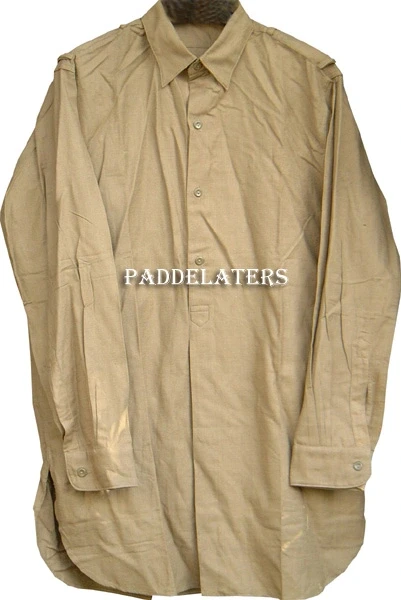
- The M1917 Enlisted Man’s Uniform: Known for its distinctive wool fabric and color, the M1917 became the standard. Its design was focused on comfort and functionality, with added pockets for carrying essential items.
- Headgear: Soldiers were issued a "doughboy helmet," made from steel to protect against shrapnel. This was an essential part of their defensive gear, and its design evolved throughout the war.
- Boots and Equipment: The shoes were made from sturdy leather and designed for long marches. Soldiers also carried packs, belts, and ammunition pouches, all designed to streamline their movement on the battlefield.
Evolution of U.S. Military Uniforms:
The look and functionality of U.S. military uniforms have evolved over the years. For example, the transition from the World War 1 “doughboy” look to the M-1936 field jacket worn in World War 2 is significant in both design and material. Collectors often focus on these distinctions when hunting for authentic pieces for their collections.
World War 1 Uniforms: Key Components and Their Impact
Uniform Material and Fabric:
A critical component of World War 1 uniforms was the material. Wool was the fabric of choice due to its durability and warmth, which was necessary for soldiers fighting in cold conditions. The uniform also featured a "drab olive" color, designed to help soldiers blend in with the terrain.
How the WW1 American Uniform Influenced Later Wars:
The World War 1 U.S. military uniforms were a major influence on the design of uniforms worn by soldiers in World War 2. The basic cut and structure remained similar, but innovations in fabric and design led to improved comfort and function.
Practicality in Design:
The U.S. military needed uniforms that could withstand wear and tear under extreme conditions. The introduction of the M1910 web gear system, which replaced leather straps with more durable canvas, marked a significant improvement in soldiers' comfort and mobility.
Intents: Informational 62%, Commercial 25%, Transactional 13% - Navigating Current Trends in Uniform Collecting
The market for World War 1 and World War 2 uniforms is thriving, with many collectors seeking authentic pieces for display, reenactment, or even as investments. Whether you're an experienced collector or just starting, understanding the different types of uniform intents can help you make more informed decisions.
Informational Intent: Learning About U.S. Military Uniforms
Many history enthusiasts or researchers are focused on informational intent, seeking knowledge about the historical significance of these uniforms. If you're one of them, there are a few key resources you can explore:
- Books and Archives: Numerous historical archives and books provide detailed information about the design, development, and usage of U.S. military uniforms.
- Museums and Exhibits: Museums often display authentic World War 1 uniforms, giving real-life examples of what soldiers wore during the war.
- Online Communities: Joining online groups dedicated to military history can also help you connect with experts and other enthusiasts who can share insights into uniforms and military history.
Commercial Intent: Buying U.S. Military Uniforms
If your focus is on acquiring U.S. military uniforms, particularly from World War 1, there are a few commercial sources you should consider:
- Military Surplus Stores: These stores often offer reproductions of historical uniforms. While not authentic, these replicas can provide a closer look at what soldiers wore during the war.
- Auction Houses: Rare, original World War 1 uniforms occasionally come up for auction, and collectors are willing to pay a premium for these items. Knowing the history and value of these uniforms can help you make a savvy investment.
Transactional Intent: Purchasing and Restoring a World War 1 Uniform
If you're looking to purchase or restore a World War 1 uniform, it’s essential to understand the finer details of what makes a uniform authentic:
- Fabric and Stitching: Ensure that the fabric is consistent with the wool used during the WW1 era. The stitching should also be of the same quality and type used historically.
- Markings and Labels: Check for military labels and markings, which are often an indication of authenticity. This can include tags sewn into the inside of the jacket or trousers.
- Restoration Experts: If you find a uniform that’s in poor condition, consider reaching out to a restoration expert who specializes in military clothing.
How to Spot a Genuine U.S. WW1 American Uniform
When you're in the market for a U.S. WW1 uniform, it's essential to know how to distinguish between a genuine piece and a replica. Here are a few tips:
- Examine the Fabric: WW1 uniforms were primarily made from wool, with a distinctive color that faded over time. Modern fabrics may not match the same texture or color.
- Look for Uniform Tags: Genuine military uniforms typically have labels that identify the manufacturer or the military branch. Pay attention to any stamps or handwritten details on the inside of the jacket.
- Check the Condition: While signs of wear are common in vintage uniforms, be cautious of excessive damage. Stains, tears, or improper alterations can affect the uniform's value.
Conclusion: A Timeless Legacy of U.S. Military Uniforms
The World War 1 uniforms worn by the United States soldiers played a significant role in shaping the identity of the military and its soldiers. As you explore the history and acquisition of these uniforms, remember that they are not just garments but symbols of bravery, sacrifice, and resilience.
Whether you're looking to deepen your knowledge, expand your collection, or dive into the world of military memorabilia, always focus on authenticity, research, and understanding the historical context behind each uniform. With the right resources and attention to detail, you can become an expert in WW1 American uniforms.
REQUISITION RELATED GEAR
EXPLORE MORE FIELD REPORTS
Browse all published guides and history articles.
