Introduction: The Struggle for Authenticity in Collecting US Army Uniforms
For military enthusiasts and collectors, there’s one common struggle: finding authentic, quality US Army uniforms that capture the essence of history. Whether you’re restoring a personal collection or researching the evolution of military fashion, the challenge remains—where can you find pieces that are not only accurate but also durable enough to stand the test of time?
The demand for World War I US Army uniforms has never been higher. Replicas of the iconic AEF (American Expeditionary Forces) gear like the M1912 tunics, overseas caps, and wool trousers are a must-have for collectors. However, with so many options on the market, how do you ensure the pieces you buy match the authenticity and craftsmanship that these historical garments deserve?
In this post, we’ll explore the evolution of US Army uniforms, with a focus on World War I gear, camouflage clothing, and modern military attire. Plus, we’ll dive into real-world examples from paddelaters.com—an online resource for collectors who need genuine US Army uniforms, replicas, and accessories.
WW1 US Army Uniform Basics
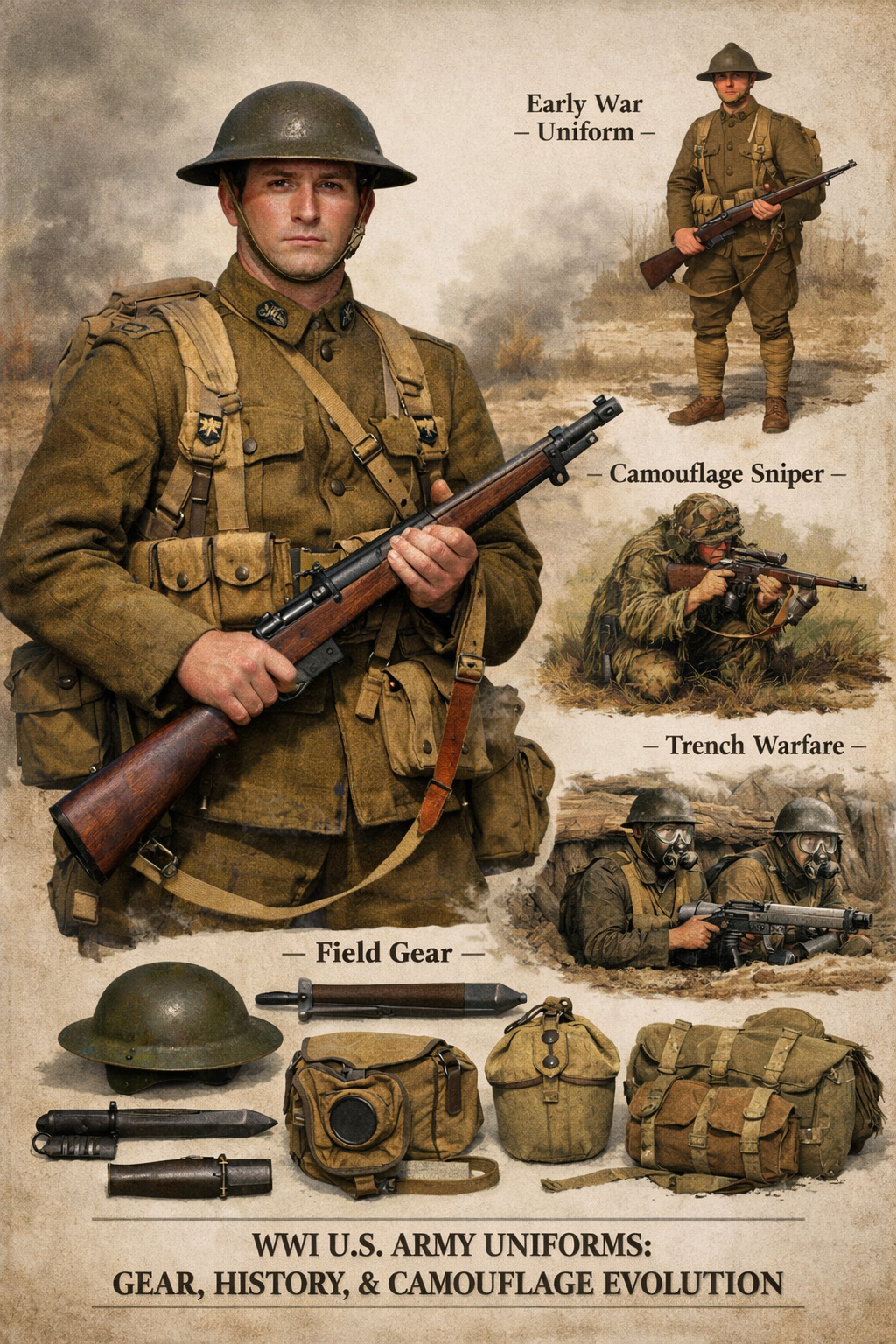
The US Army uniform during World War I was a significant departure from previous military attire. Soldiers in the American Expeditionary Forces (AEF) were outfitted with uniforms designed to blend functionality, durability, and practicality in the harsh conditions of the battlefield.
The AEF’s gear wasn’t just about looking good—it was designed to keep soldiers protected while allowing them to carry out their duties effectively. The key pieces of a WW1-era uniform included the M1912 tunic, M1917 trousers, overseas cap, and various accessories. These uniforms were made from wool and canvas, which were sturdy but still breathable enough for the battlefield. Most importantly, they had the necessary adaptations for easy movement.
One of the primary challenges collectors face today is ensuring that their replicas or vintage gear pieces are as close as possible to the originals. WW1 uniforms have been reproduced extensively, with the details of construction and fabric crucial for authenticity. If you want to understand the evolution of military uniforms, it's vital to start with these early 20th-century pieces.
Key Gear Pieces
There are several distinctive components that make up the WW1 US Army uniform. The M1912 tunic is arguably the most iconic. This wool coat, which soldiers wore as part of their daily uniform, featured a single-breasted design with five front buttons. The tunic came with a pair of M1917 wool trousers, offering comfort and durability in combat situations.
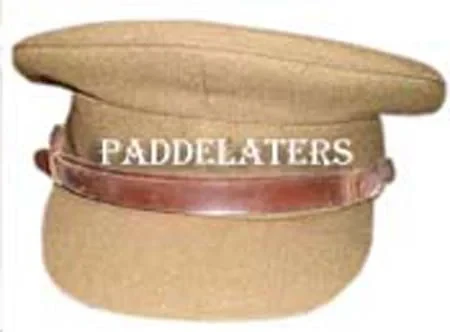
The overseas cap, also known as the “doughboy cap,” was a distinguishing feature of the WW1 US Army look. It was typically made of wool and was designed to be worn on overseas duty, giving soldiers a sense of identity and camaraderie. These caps were often worn with the uniform’s “American Legion” patch, representing the country’s soldiers.
Collectors today can find replicas of these pieces on websites like paddelaters.com. These replicas are often made from authentic materials to mirror the original gear worn by AEF soldiers.
Tunic and Trouser Details (150 words)
When examining M1912 tunics and M1917 trousers, the key feature is the focus on practicality. The tunic was made of a heavy wool material, often dyed olive drab, and featured simple yet functional designs such as patch pockets for storing essential gear. It had a close fit to prevent the fabric from getting caught on equipment. The M1917 trousers were similar in design, with extra reinforced areas on the legs for durability.
Collectors look for specifics when it comes to reproduction versions of these uniforms. Features like the brass buttons, collar shape, and stitching patterns are all essential details to get right. For authenticity, many replica tunics and trousers will be sold in sets with matching items—like the overseas cap or woolen puttees—that mirror the gear soldiers used during the war.
Camouflage Clothing History
While World War I uniforms were primarily about durability and comfort, the trend of using camouflage did not emerge until later wars. The US Army first used camouflage during World War I in the form of painted patterns on vehicles and equipment, but it wasn’t until World War II that camo patterns became widely used on uniforms.
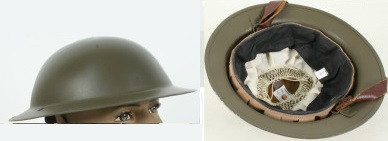
During World War I, American soldiers used the M1917 AEF helmet, which was also designed to provide a degree of camouflage through its shape and covering. However, soldiers typically wore solid colors, such as olive drab, which helped them blend into the environment but were not as effective as later-developed camouflage patterns.
Modern camouflage clothing, on the other hand, is more sophisticated. Early attempts at creating effective camouflage were based on experimenting with geometric shapes and colors that mimicked the natural environment, such as forest and desert terrains. The US Army’s use of camouflage evolved with the introduction of the M1948 Camouflage Uniform and later the woodland camouflage pattern, which proved effective for the specific needs of soldiers in different environments.
While early camouflage was rudimentary, the transition toward more advanced patterns marked a significant shift in military clothing history.
Modern vs Historical Styles
When comparing modern camouflage uniforms to historical WW1 gear, the most striking difference is the focus on blending into the environment. In WW1, uniforms were designed for functionality and practicality in battle conditions. The M1912 tunic and M1917 trousers were made for warmth, protection, and comfort, while WW1 helmets served to guard against shrapnel rather than the advanced camouflage technology we use today.
Modern military uniforms, such as the ACU (Army Combat Uniform), use specialized patterns designed for different environments, like woodland, desert, and urban. The advent of multi-camouflage patterns like MultiCam and OCP have been game-changers, helping soldiers blend in across a variety of terrains. These patterns are created through extensive research into human visual perception, ensuring soldiers can remain undetected in different combat situations.
While today’s camouflage is technologically advanced, many collectors still appreciate the design of the WW1 US Army uniform for its historical value and simple utility.
Features
The US Army uniform has undergone dramatic changes over the years, especially with the addition of modern camouflage patterns. But for many collectors, the WW1 US Army gear represents a pure form of military style. Authentic WW1 uniforms, especially those made from wool, cotton, and canvas, offer durability and breathability.
When you’re looking at a replica WW1 US Army uniform, one feature that stands out is the attention to detail. Materials like reproduction wool and vintage-style stitching provide a solid, reliable foundation for collectors. The AEF overseas cap and M1917 trousers often come with reinforced stitching and sturdy button closures, making them both historically accurate and functional.
Additionally, replicas are made with high-quality materials that capture the essence of the original designs. For instance, overseas caps are created from heavy wool, just like the originals. These garments are also a valuable part of any historical display or living history event, as they show an accurate portrayal of military fashion during WW1.
Pros & Cons
Pros:
-
Authentic replicas: Many uniforms, like those found on paddelaters.com, replicate the original WW1 gear with high precision.
-
Durability: The materials used in these replicas are designed to last, making them suitable for display and historical reenactments.
-
Historical value: Owning a piece of history—like an M1912 tunic or overseas cap—can enhance any collection.
Cons:
-
Cost: Authentic reproduction gear can be pricey, especially when buying complete sets.
-
Comfort: Some collectors may find the wool and heavy fabric of older uniforms less comfortable for extended wear, especially compared to modern uniforms.
-
Availability: Genuine, high-quality replicas may be harder to find in larger stores and require specialized retailers like paddelaters.com.
Real-World Examples
A customer on paddelaters.com recently purchased a complete WW1 US Army kit, including an M1912 tunic, M1917 trousers, and an overseas cap, for a historical display project. After receiving the gear, they praised the attention to detail, particularly the wool fabric’s authenticity and the sturdy brass buttons. This set was restored and displayed in a military history museum, showcasing the importance of accurate gear in recreating the soldier’s experience.
Such real-world examples show that collectors can trust paddelaters.com for top-tier military gear that’s both functional and historically accurate. Whether you’re a casual enthusiast or a serious historian, these pieces will bring the story of WW1 soldiers to life.
FAQs
Q1: Where can I buy authentic WW1 US Army uniforms?
A: Paddelaters.com is a reliable source for replicas of WW1 gear, offering a variety of authentic pieces like the M1912 tunic and M1917 trousers.
Q2: Are these replicas made from original materials?
A: Yes, many of the replicas use authentic wool and canvas to accurately reflect the originals.
Q3: What’s the price range for WW1 US Army uniforms?
A: Prices vary based on the item, but expect to pay more for full sets, especially if they’re historically accurate.
Q4: Can I wear these uniforms for reenactments?
A: Absolutely! These uniforms are built for reenactments, with durable materials and construction.
Conclusion
The history of US Army uniforms, especially from World War I, is rich in tradition, functionality, and craftsmanship. Collecting authentic pieces like the M1912 tunic or overseas cap adds historical value to any collection. Whether you’re interested in military history, reenactments, or display projects, paddelaters.com offers high-quality, accurate replicas. If you’re a serious collector or just starting out, browse their selection to find your next prized piece.