WW1 GERMAN UNIFORM IDENTIFICATION: A GUIDE FOR ENTHUSIASTS OF HISTORICAL MILITARY GEAR"
Introduction: The Fascinating World of WW1 German Uniforms
Did you know that in the early stages of WW1, Germany’s military uniforms were seen as a symbol of power and precision? They weren’t just about protection; they also reflected military strategy and pride. Uniform identification has become a vital hobby for many military enthusiasts today, especially when it comes to WW1 German uniforms. Understanding these historical pieces, from the iconic "pickelhaube" helmets to the distinct woolen greatcoats, offers insight into military history and the evolution of warfare attire.
For those interested in the history of warfare, understanding the different uniforms worn during WW1 and WW2 can be both fascinating and educational. As a beginner or seasoned collector, it’s crucial to know how to differentiate between the various military outfits of the era. This article will guide you through the essentials of identifying WW1 German uniforms, while also providing insight into their connection to WW2 English, US, and East German uniforms.
Identifying WW1 German Uniforms: Key Elements to Look For
H2: Essential Features of a WW1 German Uniform
WW1 German uniforms are distinct and are often a significant part of military history collections. Here are some key features to focus on when identifying these uniforms:
- Color and Material:
- The typical color of the WW1 German uniform was feldgrau, a grey-green color designed for camouflage in the trenches.
- The material was generally wool, with a heavy, durable quality suitable for the harsh conditions of war.
- The Pickelhaube Helmet:
- The iconic spike helmet, known as the Pickelhaube, is one of the most recognizable symbols of the German army in WW1.
- This helmet was made from metal and featured a prominent spike on top, which was mostly ceremonial but also offered some protection.
- The Field Tunic:
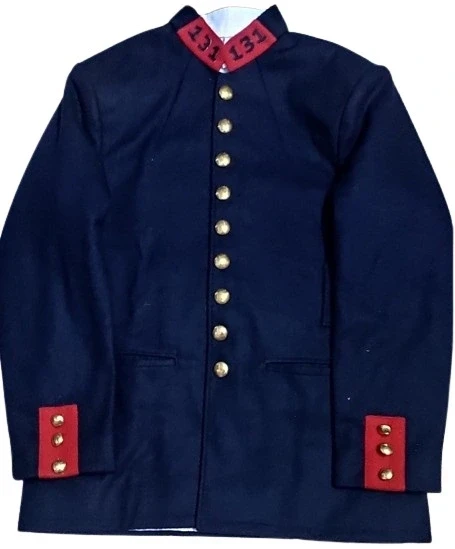
- The tunic was the centerpiece of the German soldier's outfit and was adorned with various insignia indicating rank and unit. The tunic often had a stand-up collar, which was a notable feature of the era.
- It typically had four front pockets for carrying small gear and tools.
- Trousers and Footwear:
- The trousers were also made of feldgrau wool and were loose-fitting to allow for easy movement.
- Soldiers wore leather boots with knee-length gaiters for added protection and support.
- Insignia and Buttons:
- The buttons and insignia on the uniform offer crucial information about the soldier’s unit and rank. Often, these buttons were made from brass or metal and displayed the Imperial Eagle, which was a symbol of the German Empire.
- Insignia, especially on the collar or epaulets, can help identify the branch of service or specific regiment.
H2: Comparing WW1 German Uniforms to Other WW1 and WW2 Military Attire
While WW1 German uniforms were unique, they shared some similarities with uniforms from other nations, especially in the WW1 and WW2 eras. Let’s take a look at how they compare to the uniforms of other major armies.
- WW2 English Uniforms:
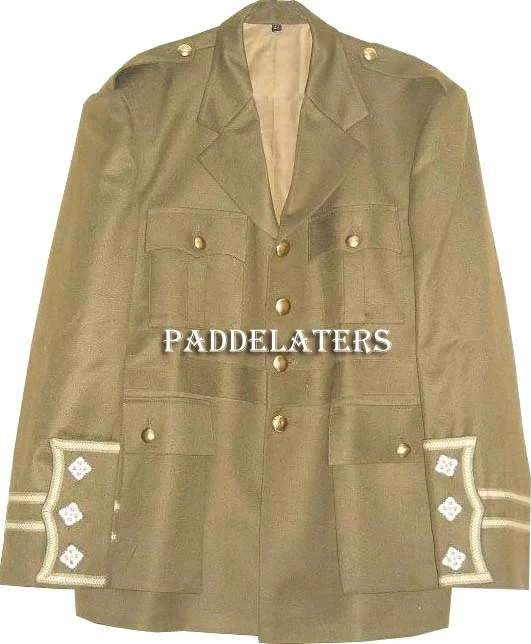
- Appearance: WW2 English uniforms were khaki in color, quite different from the grey-green German uniforms. The British often used a simpler, more utilitarian design for their field uniforms.
- Insignia: Like German uniforms, British soldiers also wore distinct insignia to signify their rank and unit, although British insignia were more commonly worn on the shoulder epaulets.
- WW1 US Uniform:
- Color and Material: The US uniform during WW1 was also wool, but it featured a dark olive drab color, which set it apart from the German feldgrau.
- Helmets: One of the most distinct differences was in the helmet design. The US Army used the Brodie helmet, a steel helmet designed for protection, which lacked the spike seen on the German Pickelhaube.
- East Germany Uniform:
- Post-WW2 Design: The East German uniform, or NVA (National People's Army) uniform, was distinct in its design, with dark green colors and a more modern aesthetic compared to the earlier WW1 German designs.
- Insignia: The insignia and badges were highly symbolic and reflective of the political ideology during the Cold War era, which is a sharp contrast to the more militaristic insignia of WW1.
Tips for Identifying and Collecting WW1 German Uniforms
H2: Actionable Steps for Beginners
For those new to military history or uniform collecting, here are a few actionable steps to help you identify and collect WW1 German uniforms effectively:
- Do Your Research:
- Before purchasing or identifying a uniform, it’s essential to research the era and the specific details of the uniform. Familiarize yourself with the colors, insignia, and design variations of WW1 German uniforms.
- Check Authenticity:
- When collecting uniforms, always verify the authenticity of the pieces. Look for makers' marks, original buttons, and historical accuracy in the design and material.
- Beware of reproductions or “too-good-to-be-true” deals; they might be priced low for a reason.
- Focus on Key Elements:
- Start by focusing on the primary elements that help identify a uniform, such as the Pickelhaube helmet, tunic style, or the presence of insignia. These details can make a significant difference in identifying the uniform correctly.
- Attend Military Shows or Auctions:
- A great way to expand your knowledge and identify WW1 German uniforms is to attend military history shows, auctions, or museums. These events often feature authentic uniforms and knowledgeable collectors who can help you identify genuine items.
- Join Online Communities:
- There are numerous online forums and Facebook groups dedicated to military history and uniform collecting. These communities can be an invaluable resource for learning, sharing knowledge, and getting expert opinions on identifying uniforms.
H2: Common Pitfalls to Avoid When Identifying WW1 German Uniforms
While identifying WW1 German uniforms can be exciting, there are some common pitfalls to avoid:
- Misidentifying Insignia:
- Many collectors fall into the trap of assuming a uniform's insignia is from the WW1 period when it may actually be from WW2 or even post-war periods. Double-check the design and historical context.
- Overlooking the Importance of Condition:
- The condition of a uniform plays a significant role in its authenticity and value. Be cautious when purchasing items that appear to be in pristine condition, as they may have been altered or reproduced.
- Relying Solely on Price:
- A uniform’s price doesn’t always correlate with its authenticity. Be wary of deals that seem too good to be true, and always do your research before making a purchase.
Conclusion: Embrace the History Behind the Uniforms
In conclusion, identifying and appreciating the history of WW1 German uniforms requires careful research, an understanding of the key features, and attention to detail. Whether you are a collector, history enthusiast, or just fascinated by military gear, this guide provides you with the fundamental tools to identify and differentiate between WW1 German uniforms and their counterparts from other eras, like the WW2 English and US uniforms.
REQUISITION RELATED GEAR
EXPLORE MORE FIELD REPORTS
Browse all published guides and history articles.
