THE WW2 BRITISH SOLDIER UNIFORM: A COMPREHENSIVE GUIDE TO HISTORY, KEY DETAILS, AND MODERN INSIGHTS”
Introduction: The Fascinating History of the WW2 British Soldier Uniform
The history of military uniforms can tell us a lot about a nation's culture, values, and technological advancements. Take the WW2 British soldier uniform, for instance: it stands as a symbol of courage and resilience in one of history’s most turbulent periods. Did you know that the British Army introduced over 50 variations of its uniform during World War II? This adaptability played a significant role in the British Army’s ability to maintain effectiveness across various climates, terrains, and combat situations.
For history enthusiasts and collectors, understanding the evolution of military attire, from the iconic British Zulu war uniform to the detailed layers of the WW2 British soldier uniform, is an exciting and educational journey. This guide will explore the key components of the uniform, trends over the years, actionable advice for collectors, and common pitfalls to avoid.
The Essential Components of a WW2 British Soldier Uniform
AWW2 British soldier's uniform was designed to be versatile, practical, and suitable for multiple combat environments. Let’s break down the core components:
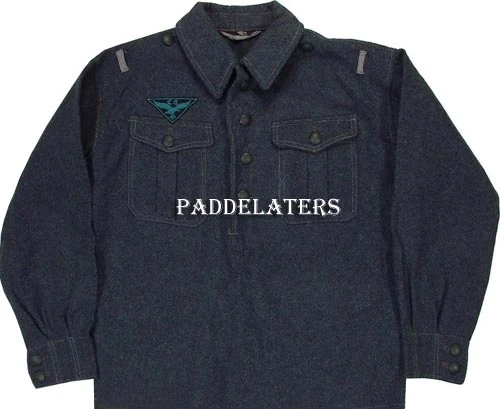
1. The Battle Dress (BD) Blouse
The Battle Dress was a key component of the British Army’s standard uniform during WW2. Made of wool and featuring a distinctive "button-up" style, this blouse was both functional and relatively comfortable. The Battle Dress was designed for the cold and damp conditions of the European fronts, yet it was adaptable enough to be worn in more tropical climates with modifications.
Actionable tip: If you’re aiming to collect or recreate a WW2 British soldier uniform, focus on finding a Battle Dress with authentic markings such as regimental badges or the iconic "Eagle's Head" collar insignia.
2. The Trousers (Pants)
The WW2 pants, or trousers, were typically made of a sturdy wool blend. They featured deep pockets and reinforced areas around the knees for extra durability in trench warfare. The design was tailored for ease of movement, especially in rugged conditions.
Common Pitfall: Be mindful of the distinction between the earlier pre-war trousers and those issued during the mid-to-late stages of the war. Later versions of the pants had slight adjustments for better functionality in combat.
3. The Jacket: Essential for Protection and Camouflage
The jacket in the WW2 British soldier uniform was often made from durable fabric and had a rugged finish to ensure protection against the elements. Alongside the Battle Dress, soldiers usually wore WW1 flying jackets when deployed in aviation or airborne roles. These jackets were designed to provide warmth at high altitudes.
Real-life example: The WW1 flying jacket, while originally designed for pilots, became a popular item for collectors due to its rugged nature and classic style.
4. The Headgear: Helmets and Berets
A British soldier’s helmet, such as the Mk II Brodie helmet, was a well-known part of the uniform. It provided head protection during combat and had a unique shape that became iconic during WW2. For certain roles, soldiers also wore berets or side caps, adding a touch of individuality to their attire.
Actionable tip: Helmets and headgear are among the most recognisable elements of a WW2 British soldier uniform, and collecting these items can be particularly valuable for enthusiasts. Pay attention to specific variations in markings and condition.
The Evolution of Military Uniforms: A Glimpse into the Past
The British Zulu War uniform and the Boer War British uniform offer insights into the evolution of British military dress. These earlier uniforms were designed for different combat settings, yet they share some key elements with WW2 attire, such as practicality, durability, and simplicity. Over time, the British Army refined its uniforms, resulting in the standardised WW2 British soldier uniform we recognise today.
Key Historical Milestones:
- Zulu War (1879): The British Army’s Zulu war uniform was designed for heat and close-quarters combat in Southern Africa. Soldiers wore red coats, which later became infamous for their vulnerability in battle.
- Boer War (1899-1902): The Boer War British uniform saw more tactical changes, with soldiers wearing khaki for better camouflage. The khaki drill fabric became synonymous with British military attire, moving into the 20th century.
- WW1 and WW2: Uniforms underwent practical changes, with the introduction of the Battle Dress, new headgear, and field gear designed to withstand prolonged combat and environmental challenges.
Actionable Tip: If you are studying or collecting military uniforms, it’s helpful to compare how the British Zulu war uniform and the Boer War British uniform influenced the design choices for the WW2 British soldier uniform.
Common Pitfalls in Collecting WW2 British Soldier Uniforms
Collecting WW2 British soldier uniforms can be a rewarding hobby, but some common mistakes can lead to missteps or disappointments. Here are a few key pitfalls to avoid:
1. Misunderstanding Reproduction Items
With the rise of modern reproduction military gear, many collectors find it difficult to distinguish between genuine antiques and high-quality replicas. Reproduction uniforms may look authentic, but lack the historical value.
Tip: Always buy from reputable sellers, and check for telltale signs of authenticity, such as worn-out fabric, period-specific stitching, and genuine military stamps or labels.
2. Overpaying for Common Items
Some uniform pieces, such as the iconic Mk II Brodie helmets, are relatively common and widely available. Pay attention to the market prices to avoid overpaying for common items. Rare components, such as a specific regimental insignia or an unissued uniform in pristine condition, are worth investing in.
Tip: Research prices online or visit military memorabilia fairs to get a sense of market trends before making a purchase.
3. Ignoring the Condition of the Item
While condition is often a major factor in a uniform’s value, don’t disregard an item’s historical significance simply because of slight wear. Many collectors find beauty in the story that comes with the signs of battle-worn uniforms.
Current Trends in Collecting and Recreating WW2 British Soldier Uniforms
Military enthusiasts today enjoy a wide array of options when it comes to collecting or recreating WW2 British soldier uniforms. While vintage military items remain popular, some collectors focus on reproductions that closely resemble the original designs.
Trends to Watch:
- Reproduction Uniforms: High-quality reproductions have become more accessible, providing a realistic alternative for those who can’t find genuine historical pieces.
- Pop Culture Influence: Films like Dunkirk and Saving Private Ryan have brought renewed interest in WW2 military uniforms. As a result, the demand for historically accurate uniforms has risen among collectors and cosplayers alike.
Tip: Keep an eye on current events in the world of film and documentaries, as these can spur interest in specific uniform types, like the WW2 pants worn by soldiers in iconic scenes.
Conclusion: Begin Your Journey into Military Uniforms Today!
Whether you’re looking to start a collection, recreate a specific look, or learn about the WW2 British soldier uniform, understanding the history behind these iconic garments is the first step in connecting with the past. From the enduring legacy of the British Zulu war uniform to the practical elegance of the WW2 pants, there’s a world of fascinating details waiting to be uncovered.
Start by doing thorough research, sourcing authentic materials, and avoiding common mistakes to build a collection that honours the soldiers who wore these uniforms with pride. So, why wait? Dive into the history and start exploring the remarkable story behind the WW2 British soldier uniform today!
REQUISITION RELATED GEAR


EXPLORE MORE FIELD REPORTS
Browse all published guides and history articles.
