WW1 FRENCH OFFICER TUNIC: HOW TO CHOOSE A REALISTIC REPLICA
Introduction: Why a “French Army uniform replica” isn’t simple
Searching for a French Army uniform replica sounds easy: pick a jacket, match the color, add some badges, and you’re done. But when you look closely at a french officer uniform—especially a ww1 french officer tunic—it gets tricky fast. “French Army” covers many years, different rules, and big differences between what officers bought for themselves and what regular soldiers were given.
Problem: Many online listings don’t say which year the uniform is meant to show. They often use words like “replica,” “reproduction,” and “costume” as if they mean the same thing. That’s how people end up with a tunic that looks “French-ish” but doesn’t match the real photos they want to copy.
Agitate: This mistake can cost money and time. If you’re doing reenactment, filming, or building a collection, small mistakes stand out fast: the wrong collar shape, shiny fabric, plastic buttons, or badges that don’t belong on an officer’s tunic. Once you buy the wrong tunic, it’s hard to fix it later without buying all over again.
Solution: This guide helps you understand the WW1 French officer look: the main features that matter, how replicas are different from costumes, and what to check before buying—using museum examples where possible.
Features: What makes a WW1 French officer tunic look right?
A ww1 french officer tunic isn’t just “blue and military.” The real look comes from a few parts working together: cloth, cut, collar details, and rank marks.
Color: “Bleu horizon” and why shade matters
From 1915, the French Army started using a uniform color called “bleu horizon”—a light blue-grey. The Musée de l’Armée explains that the new “bleu horizon” uniform was adopted in 1915, but it wasn’t fully used until autumn 1916.[musee-armee.fr]
This helps you avoid a common mistake: a tunic sold as “1914–1915” but in the horizon-blue shade, even though early-war French uniforms were much brighter.
Material: wool, gabardine, and linings you can actually feel
Many WW1 officer tunics were made with better cloth than regular issue, because officers often bought their own items within army rules.
A real example from the Musée de l’Armée (via Google Arts & Culture) describes a modèle 1915 “vareuse” worn by a lieutenant. It lists:
- horizon-blue gabardine
- cotton serge lining
- metal infantry buttons
- metal hooks/fasteners[Google Arts & Culture]
If a “replica” tunic feels very thin, stretchy, or shiny, it’s likely more like a costume than a true replica.
Cut and build: what to look for in the pattern
Even if the color is right, the cut is what makes a tunic look like a WW1 French officer tunic and not a modern jacket.
Look for:
- a structured body (not floppy like a shirt)
- a collar that stands up properly (many WW-era tunics have a firm standing collar)
- correct pocket layout (often the first thing reenactors notice in photos)
Insignia and rank: where officer details usually live
Officers are often recognized by their rank marks and finer trim.
The same Musée de l’Armée example includes:
- lieutenant rank chevrons at the cuffs (gold threads)
- a grenade-style badge on the collar tabs (“grenade” embroidery)
- service chevrons on the sleeve
- a Croix de guerre colored fourragère (lanyard)[Google Arts & Culture]
You don’t need every decoration for every outfit, but the logic matters: rank, branch, and period should match.
Quick checklist for shopping a French officer tunic replica
Before buying, try to check:
- What year/model is it based on (1915? 1916?)
- Fabric type (wool, wool blend, gabardine) and lining details
- Button type (metal vs plastic)
- Collar style and any collar tab details
- Clear photos in natural light (front + close-up of collar/cuffs)
Pros & Cons: Replicas vs costumes (a practical comparison)
This is where many buyers get stuck, so let’s keep it simple.
French officer uniform replica
Pros
- Looks better in photos (especially in daylight)
- Details are built in (proper buttons, lined body, correct collar shape)
- Easier to add other gear later (belt, headgear, medals)
Cons
- Costs more
- Heavier and warmer fabrics
- Sizing can feel less “modern” (WW cuts sit differently on shoulders and waist)
Costume version
Pros
- Cheaper and easier to get quickly
- Light and comfortable
- Good for a party or short stage moment from far away
Cons
- Often has wrong fabric shine, weak collar, and simple pockets
- Plastic hardware and printed badges are common
- Looks less real in close-up photos and video
A simple rule
- If you’ll be photographed up close, filmed, or judged in reenactment, choose a replica.
- If it’s for a party or a quick stage moment from far away, a costume may be enough.
PAS in action: How to choose the right replica without regret
Let’s use the Problem–Agitate–Solution idea when buying.
Problem: “WW1 French officer tunic” is used loosely online.
Many stores use WW1 words to sell, but the tunic might not match a real model.
Agitate: Small wrong details break the look.
Two common problems:
- Wrong timeline mix: early-war look + later-war color
- Wrong build quality: costume collar that flops, shiny buttons, pockets that don’t match real photos
Even if your friends don’t notice, you will when you compare it to real photos later.
Solution: Start from a known reference.
You don’t need to be a uniform expert. Just pick one solid reference, then keep your kit consistent with it. For example:
- Decide you want a 1915–1916 “bleu horizon” officer look, since the “bleu horizon” uniform was adopted from 1915 and common by late 1916.[musee-armee.fr]
- Use museum details (gabardine, metal buttons, cuff rank chevrons) as your quality goal.[Google Arts & Culture]
FAQs: Common questions about French officer uniform replicas
- What does “bleu horizon” mean for WW1 uniforms?
It’s the light blue-grey color used in WW1, especially from 1915 onward.[musee-armee.fr] - Do I need an exact model number (like 1915) to buy a good tunic?
It helps a lot. A clear model/year claim means the maker tried to match a real pattern. - What’s the fastest way to spot a costume tunic?
Look for shiny fabric, plastic buttons, floppy collar, and very simple pockets. - Were officer tunics always wool?
Not always, but better materials were common. Museum examples include horizon-blue gabardine with a cotton lining.[Google Arts & Culture] - Can I “upgrade” a cheap tunic into a replica?
Sometimes you can change buttons and badges, but if the cut and fabric are wrong, it will still look like a costume. - What should I prioritize if my budget is limited?
Focus on the tunic’s shape and cloth. You can add correct badges and accessories later more easily than you can fix a poor base garment.
Real-world examples: History and modern use (reenactment, film, collecting)
Historical anchor: why 1915–1916 became the “classic” WW1 French look
As trench warfare went on, France moved to uniforms that were less visible and more practical. The Musée de l’Armée notes the adoption of the “bleu horizon” uniform from 1915 and that it wasn’t fully used until autumn 1916, along with the steel Adrian helmet for soldier protection.[musee-armee.fr]
That’s why so many WW1 French impressions (including officer looks) focus on 1915–1918 styling: it became widely seen and photographed.
Modern use case: reenactment
Reenactment groups often have rules for:
- correct color family (not bright “sky blue”)
- period-appropriate cut
- metal buttons and correct badge placement
A good ww1 french officer tunic replica is usually the “base” that makes the rest of the kit believable. Once the tunic looks right, extras like belts, binocular cases, gloves, and medals feel natural.
Modern use case: film and theater wardrobes
Wardrobe teams often choose replicas when:
- the camera gets close to collars, cuffs, and buttons
- actors move a lot (cheap costumes can look odd on screen)
- continuity matters across multiple shoot days
Costumes still show up in film, often for background extras where the viewer won’t see fine details. But for a speaking role or close shots, the tunic quality matters.
Modern use case: collecting and display
Collectors usually care about:
- correct materials and build
- real hardware (buttons, hooks)
- clear info on what the replica is copying
Museum-described garments can be a great checklist. For example, the Musée de l’Armée lieutenant vareuse description lists specific, real details (gabardine cloth, cotton lining, metal buttons, cuff rank chevrons).[Google Arts & Culture]
Conclusion: Choosing the right French Army uniform replica
A French Army uniform replica is easier to buy when you focus on a specific target: a french officer uniform from a set WW1 time, like 1915–1916. Once you do that, the right features stand out: “bleu horizon” color logic, strong collar, proper cloth, metal hardware, and officer marks in the right places.
If you need something for close-up photos, reenactment, or collecting, a replica-style tunic is usually worth it. If you just need a quick outfit for one event, a costume can work—just be honest about what you expect it to look like on camera.
REQUISITION RELATED GEAR
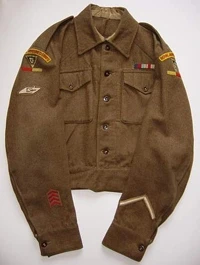
World War two ( ww2,wwii) British (Auxiliary Territorial Service) ATS BDU (Battle Dress Uniform) Jacket and Trouser
$199.00

World War two (ww2,wwii) British army ATS Uniform ( Auxiliary Territorial Service) Leather Anklets or Gaiters
$35.00
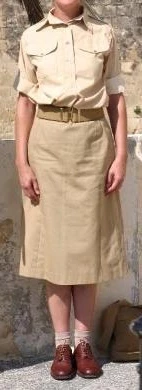
World War two (ww2,wwii) British army ATS ( Auxiliary Territorial Service ) Khaki Drill Uniform
$55.00
EXPLORE MORE FIELD REPORTS
Browse all published guides and history articles.
