WW1 GERMAN UNIFORM TYPES: A COMPLETE GUIDE FOR HISTORY AND COLLECTORS
WW1 German Uniform Types: A Complete Guide for History and Collectors
Introduction: The Question That Still Fascinates Historians
Did you know that over 13 million German soldiers were mobilized during WW1, each wearing a variant of the iconic ww1 german uniform? These uniforms weren’t just fabric; they embodied discipline, hierarchy, and the brutal reality of trench warfare. Today, hobbyists, re-enactors, and collectors remain captivated by their intricate designs and evolution.
But how do you identify authentic WW1 German uniforms? What pitfalls should collectors watch out for? And how can history buffs distinguish them from other famous military outfits like the WWI doughboy uniform, the German Afrika Korps uniforms, or even a German navy uniform?
This article dives deep into the types of ww1 german uniform, actionable tips for enthusiasts, and current trends in militaria collecting.
The Iconic WW1 German Uniform: Key Features
The standard infantry uniform of Imperial Germany went through several changes between 1914–1918. Here’s what to look for:
- Pickelhaube Helmet: Early-war spiked helmet, often lacquered leather, later modified with cloth covers.
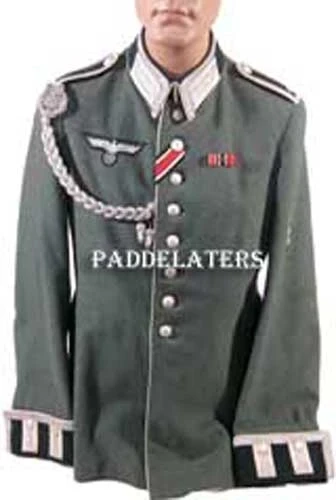
- Tunic (Feldbluse): Dark gray-green wool with stand-up collars, piping colors by regiment.
- Belts & Gear: Leather Y-straps, ammo pouches, bayonets.
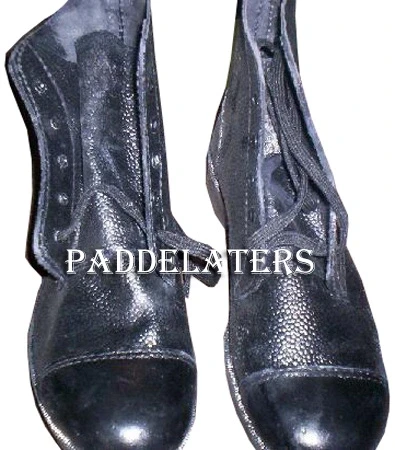
- Puttees & Boots: Knee-length boots early in the war, shortened due to shortages later.
Quick Identification Tip
If you see a tall leather Pickelhaube with a metal spike, it's early-war WW1 German uniform. If you notice steel helmets (Stahlhelm), that’s mid to late war.
Types of WW1 German Uniforms
Not every unit wore the same outfit. Let’s break down the main categories:
1. Infantry Uniforms
- Basic feldgrau (field gray) tunics.
- Colored piping and cuffs to distinguish regiments.
- Reliable and practical, but often inadequate for trench conditions.
2. Officer Uniforms
- Higher-quality fabric and tailored fittings.
- Shoulder boards with silver or gold braid.
- Tended to use private purchase tunics.
3. Cavalry Uniforms
- Hussar regiments kept ornamental pelts and sabretaches.
- Cuirassiers (heavy cavalry) used traditional breastplates early on, phased out as modern warfare took over.
4. Specialized Forces
- Stormtrooper Units added lighter gear for mobility.
- Aviation Units wore leather coats, goggles, and flying caps.
- German Navy Uniforms had dark blue tunics, sailor caps, and rank patches distinctive from ground troops.
Comparing WW1 German Uniforms With Other Historic Outfits
WWI Doughboy Uniform (U.S. Army)
- Olive drab color, broader helmets ("tin hats") instead of spikes.
- Heavier wool with larger pockets.
- Easier to move in, but still uncomfortable in trench conditions.
East German Uniform (Cold War)
- Post-WW2 evolution with sharp gray-blue tones.
- Peaks and cuts influenced by Soviet design.
- Collectors often confuse late WW1 uniforms with early East German outfits—be careful!
German Afrika Korps Uniforms (WW2)
- Light tan/khaki instead of field gray.
- Focused on sun protection, lightweight boots.
- Worn in desert campaigns, completely different climate considerations.
Actionable Advice: How to Identify Authentic WW1 German Uniforms
Step 1: Study the Fabric
- Genuine WW1 uniforms use thick wool in field gray tones.
- Beware of synthetic blends in reenactment replicas.
Step 2: Look at the Details
- Stitching pattern, buttons (marked with maker stamps).
- Pickelhaube plates vary by state—Prussia, Bavaria, Saxony all had distinct emblems.
Step 3: Verify Provenance
- Always ask for seller documentation.
- Provenance doubles the value of a piece.
Common Pitfalls in Collecting WW1 German Uniforms
- Confusing Replica vs. Original
- Many reenactors’ uniforms flood the market. If the price is too good, it likely isn’t museum-grade.
- Mixing up Eras
- Novices often confuse `WWI German uniforms with WW2 German Afrika Korps uniforms or even the Cold War East German uniform.
- Ignoring Condition
- Moth damage, missing insignia, or replaced buttons drastically reduce collector value.
- Neglecting Accessories
- Helmets, belts, and bayonets complete the uniform set. Without them, historical representation is incomplete.
Current Trends in WW1 German Uniform Collecting
- Rising Demand: With the WW1 centennial commemorations, prices have increased for all genuine uniforms.
- Digital Archiving: Museums and private collectors digitize uniforms in 3D for online exhibits.
- Reenactment Popularity: Living-history groups invest in high-quality reproduction ww1 german uniform sets for accuracy.
- Global Market: Collectors from North America, Europe, and Japan are driving international auctions.
Practical Steps for Beginners
If you’re starting your journey into WW1 militaria:
- Visit Local Museums: See real ww1 german uniforms to train your eye.
- Start Small: Collect buttons, insignia, or belt buckles before investing in full tunics.
- Network With Collectors: Online forums are a goldmine of expertise.
- Document Everything: Keep photos, receipts, and provenance notes organized.
Conclusion: Preserving History Through Uniforms
The ww1 german uniform represents not only a piece of military history but also a window into the lives of millions of soldiers. From the early Pickelhaube to the sturdy Stahlhelm, every item carries a story of adaptation and survival.
Whether you’re a historian, reenactor, or collector, the key lies in understanding differences, verifying authenticity, and avoiding common mistakes.
So, why not start exploring today? Visit a museum, join a reenactment group, or invest in your first authentic piece. The world of German WW1 uniforms is vast—and preserving it keeps history alive for future generations.
✦ Call-to-Action: If you’re ready to dive deeper, start by researching your local collectors’ associations or WW1 militaria shows near you. Each uniform you study brings you closer to understanding one of history’s most defining conflicts.
REQUISITION RELATED GEAR
EXPLORE MORE FIELD REPORTS
Browse all published guides and history articles.
