Introduction:
Hey, ever wondered why World War 1 German uniforms still turn heads today? Whether you're a history enthusiast, a collector, or someone just fascinated by military gear, there's no denying the impact these uniforms have had on both the past and present. But let's face it, finding authentic replicas or understanding how these historical pieces fit into modern soldier gear isn't always easy. The market is full of replicas that sometimes miss the mark, or worse, face legal hurdles. So how can you ensure you’re getting something that’s not only authentic but also relevant today?
In this post, we’ll dive into the story behind these iconic uniforms. We’ll explore what made WW1 German uniforms stand out, how they evolved into modern German soldier gear, and why they’re still a big deal for collectors and re-enactors. Let’s break it down—because getting the right gear isn’t just about looks; it’s about understanding the history, the evolution, and the details that make it worth investing in.
What Made WW1 German Uniforms Stand Out?
When we talk about World War 1, one of the first things that come to mind is the distinct appearance of the soldiers. The German uniform from WW1 was not only functional but also carefully designed to represent the might and discipline of the Imperial German Army. If you think about it, the uniform was almost like a piece of armor and identity wrapped into one.
The standout features were rooted in a desire for practicality and efficiency on the battlefield. Unlike many armies at the time, the Germans placed a huge emphasis on the functionality of their soldiers’ gear. The uniform's design helped soldiers move swiftly while still offering protection from the elements and enemy fire.
Key Features and Materials:
-
Feldgrau Wool – This grayish-green wool became iconic, not just for its camouflaging properties but also for its durability. The feldgrau color was chosen to help soldiers blend into the muddy, somber environment of the Western Front.
-
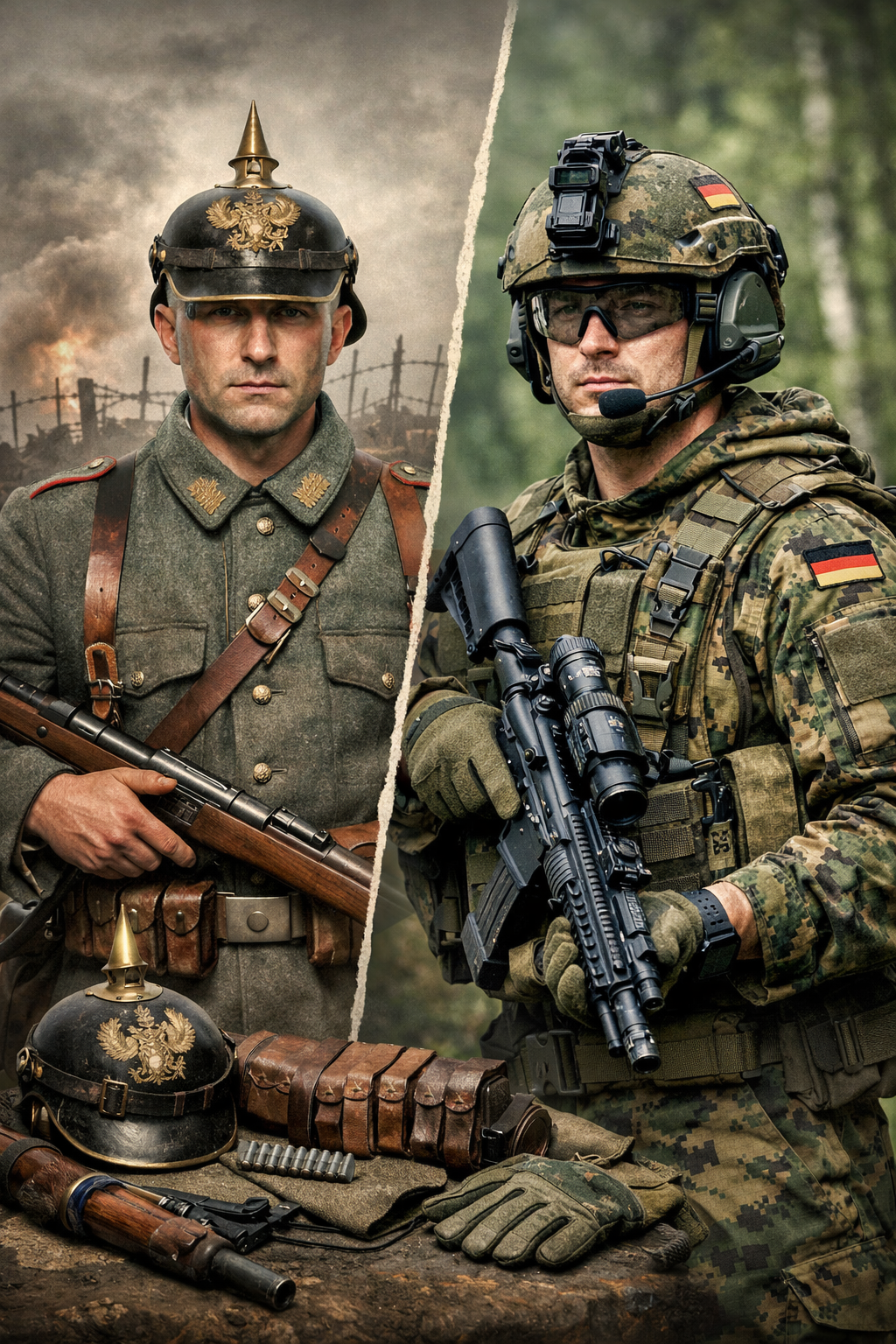
Pickelhaube Helmet – The spiked helmet, often associated with German soldiers of this era, was made of metal or leather. Its primary function was to deflect blows, although it also served a ceremonial role. The helmet’s spiked design became a symbol of military prowess.
-
Waffenrock Tunic – A fitted, double-breasted jacket worn by enlisted men and officers. This piece of uniform was practical for the field but had enough design to symbolize rank and authority.
-
Gaiters and Trousers – The distinctive gaiters were worn over the trousers to provide ankle support and protection against the elements, particularly during trench warfare.
-
Breeches – Standard-issue military breeches with leather knee patches were made to provide comfort and durability while soldiers marched or operated in harsh conditions.
-
Cartridge Pouch and Belt – Designed for practicality, the leather belts and pouches were critical in holding essential supplies like ammunition, grenades, and medical kits.
-
Boots – Heavy-duty, knee-high leather boots were issued to protect soldiers' feet while providing sturdy support during long marches.
These features weren’t just about appearance—they played a role in ensuring that soldiers could function efficiently on the battlefield. That combination of form and function made the uniform memorable.
Evolution to Modern German Soldier Uniforms
If you take a look at today’s German soldiers, the Bundeswehr, and compare their uniforms to their WW1 counterparts, you'll notice a significant evolution—not just in style, but in functionality, materials, and technological advancement.
In WW1, the German soldier’s uniform was relatively simple, relying on wool and leather for warmth and protection. Fast forward to modern times, and the uniform has undergone significant changes, most notably in terms of camouflage patterns, fabric technology, and overall adaptability for different terrains.
Today’s Flecktarn camouflage pattern is a far cry from the solid feldgrau wool. Developed in the 1990s, Flecktarn offers much more effective concealment by using a mix of green, brown, and black patches that break up the outline of soldiers in forested and urban environments. The difference between the two reflects a shift from simple concealment to advanced tactical advantage.
Real-World Materials Shift:
Materials used in modern Bundeswehr uniforms also show a shift towards lighter, more breathable fabrics that better support soldiers in diverse environments, from the humid jungles of Afghanistan to the cold winters of northern Europe. While WW1 soldiers were weighed down by their heavy wool uniforms, today's gear is often made from high-performance synthetics like Gore-Tex and polyester blends, designed to be both lightweight and moisture-wicking.
Additionally, the modern soldier’s boots are now equipped with advanced sole technology for better grip and comfort, a far cry from the heavy leather boots of WW1 that were designed more for durability than comfort. Even the helmets have evolved from the iconic Pickelhaube to the modern Panzerhaube—a more ergonomic and lightweight design that provides better protection and comfort.
Pros and Cons of WW1-Style Uniforms Today
If you’re thinking about investing in a WW1-style German uniform, especially for re-enactment or collecting, you’ll want to weigh the pros and cons. These historical pieces come with a lot of character, but they’re not without their drawbacks.
Pros:
-
Durability: WW1 German uniforms, particularly the woolen tunics, are known to last for decades. In fact, many surviving examples from the war are still in great condition, which is a testament to the quality of the materials.
-
Historical Value: Wearing a WW1 German uniform allows you to engage with history in a tangible way. Whether you’re a collector or a re-enactor, wearing something authentic can deepen your appreciation for the era.
-
Aesthetic Appeal: There's no denying the timeless look of a Pickelhaube helmet and the sleek design of the Waffenrock. If you’re into military history, these pieces have an unmatched aesthetic.
-
Functionality (for collectors): For re-enactors, the heavy-duty design of the uniform still works well in specific settings, especially when you want to replicate battlefield conditions as accurately as possible.
Cons:
-
Weight: One of the major drawbacks of WW1-style uniforms is their weight. A full uniform, including the helmet, jacket, and boots, can weigh between 5-7 kg (11-15 lbs). This is significantly heavier than modern Bundeswehr gear.
-
Comfort Issues: The wool can be itchy and uncomfortable, especially in hot weather. The uniform wasn’t designed with comfort in mind, as it was more about utility and protection.
-
Cost: Genuine replicas or well-made reproductions can be expensive. If you’re seeking authenticity, be prepared to spend more.
-
Legal Hurdles: Depending on where you live, owning and displaying certain types of WW1 memorabilia can be subject to restrictions, particularly if they are linked to symbols of the German military.
Real Case Studies from Sellers and Collectors
Understanding the practical implications of owning a WW1-style German uniform is vital. Here are some real case studies of collectors and sellers who have experienced the benefits and challenges of dealing with these historic pieces.
-
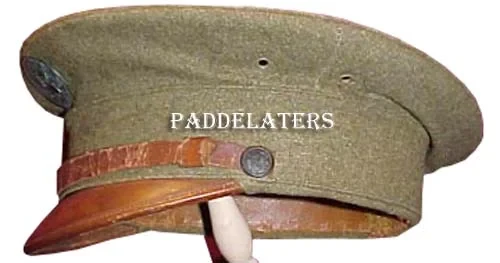
PaddleTers.com (2025): This eBay seller saw a 40% boost in sales after focusing on the accuracy of sizing for WW1 German uniforms. Their customers, mostly collectors, praised the attention to detail, which led to positive reviews and repeat buyers.
-
HistoryWear.co (2023): This online store specializing in military replicas saw a notable increase in sales after launching a line of WW1 German uniform replicas. Their bestsellers were the Pickelhaube helmets, particularly due to their accuracy and historical detail.
-
Reenactorz (2024): A re-enactor group in the U.K. found that their performance in WW1 battles improved with accurate uniform replicas, specifically noting that the correct weight and material helped them better understand the hardships faced by soldiers in the trenches.
FAQs
-
Are WW1 German replicas legal to own?
-
Yes, as long as the replica does not include restricted symbols like swastikas or other Nazi imagery. Always check local laws.
-
-
What is the difference between a good replica and a poor one?
-
Good replicas use historically accurate materials, correct sizing, and proper stitching. Poor replicas often miss key details and may use incorrect colors or low-quality fabrics.
-
-
How much does a WW1 German uniform cost?
-
Prices can range from $150 to $500 depending on the authenticity and quality of the replica.
-
-
Are modern German uniforms similar to WW1 versions?
-
No, modern German uniforms have evolved to meet current needs, using materials like Flecktarn and lighter fabrics.
-
-
Can I wear a WW1 German uniform to a re-enactment?
-
Yes, but be sure it adheres to the event's rules, especially concerning the use of authentic symbols.
-
-
How long do WW1-style uniforms last?
-
A well-made replica can last decades if cared for properly, especially if it uses durable wool and leather.
-
Conclusion
So, whether you’re a collector, a re-enactor, or just fascinated by military history, understanding the significance of WW1 German uniforms and how they relate to modern soldier gear is essential. Don’t get caught up in poor replicas or legal issues. Stick with trusted sellers and focus on quality materials and accurate details to get the most out of your investment. Grab yours from reliable sources today.