Introduction
Ever wonder why German military uniforms changed so much over time? If you look at photos from World War II and then compare them to modern Bundeswehr soldiers, the difference is huge. But the changes didn’t happen just because of style. They happened because armies kept running into problems.
One big problem was identification. During World War II, the German military had several branches: the Wehrmacht, Waffen-SS, and other organizations. Their ranks and insignia often looked similar, which could cause confusion on the battlefield. Another problem was functionality. Uniforms had to handle mud, snow, rain, and long marches. Early uniforms sometimes looked impressive but weren’t always practical in harsh conditions.
These issues sparked debates that historians still discuss today. How effective were the famous SS uniforms? Did their rank symbols make command clearer or more complicated? And how did modern Germany redesign its uniforms to focus on safety, mobility, and international operations?
Today’s Bundeswehr uses advanced materials and camouflage systems that didn’t exist during the Second World War. Flame-resistant fabrics, digital patterns, and modular gear have replaced wool tunics and heavy boots.
In this article, we’ll walk through the evolution of German military uniforms, starting with the SS ranks and clothing used during World War II and ending with the modern Bundeswehr. We’ll explore real historical examples, compare their strengths and weaknesses, and answer common questions along the way.
If you enjoy military history, stick around. You might finally understand why those SS collar tabs had those strange little pips—and why modern soldiers prefer Velcro patches instead.
Evolution of German Military Uniforms
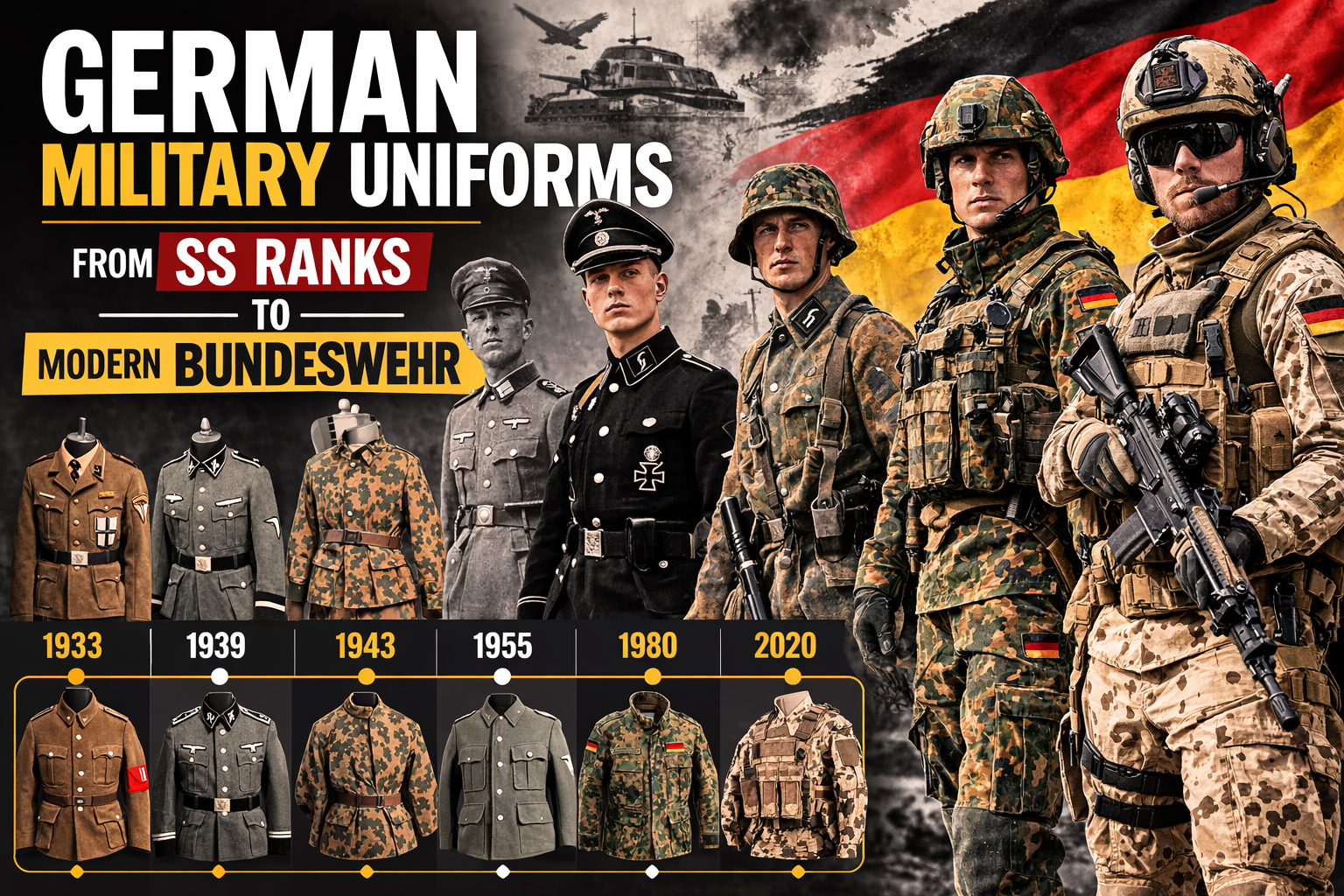
Military uniforms in Germany have changed several times over the last century. The biggest transformation happened between World War II (1939–1945) and the establishment of the Bundeswehr in 1955.
During World War II, Germany had multiple armed organizations. The main army was the Wehrmacht, but the Waffen-SS operated alongside it. Each had its own uniform system and rank insignia. The SS in particular used unique symbols like collar tabs with pips or runic insignia, sleeve eagles, and shoulder boards.
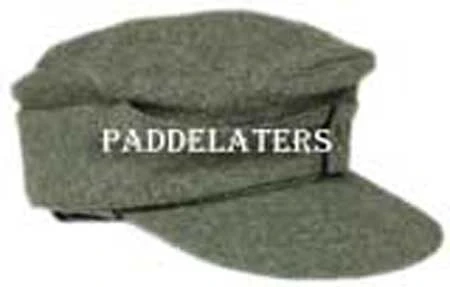
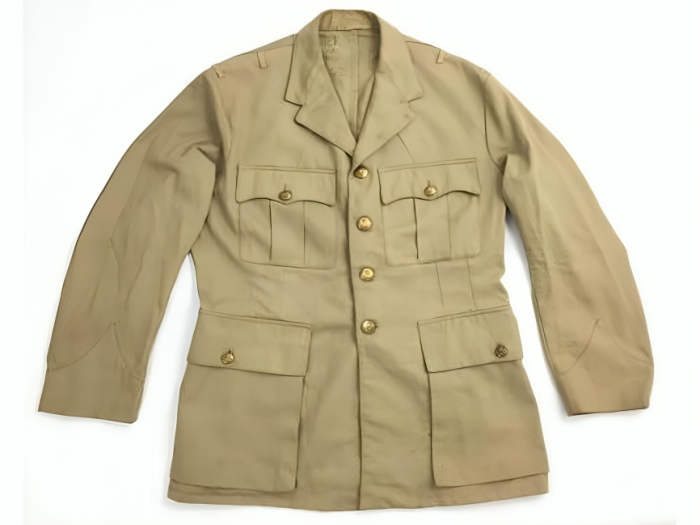
Most WWII German combat uniforms were made from wool field-gray fabric (Feldgrau). According to German military production records from the period, the standard wool weight ranged between 500 and 700 grams per square meter, which made the uniform warm but also heavy when wet.
Early in the war, the SS experimented heavily with camouflage. The SS camouflage smock, introduced in the late 1930s, used patterns like Plane Tree, Oak Leaf, and Pea Dot. These patterns were among the first large-scale camouflage designs used in Europe.
After the war, Germany rebuilt its military under NATO supervision. The Bundeswehr, founded in 1955, adopted a completely different approach. Instead of focusing on parade-style uniforms, the priority became standardization, NATO compatibility, and soldier safety.
Over the decades, German military clothing continued evolving. The Bundeswehr introduced the Flecktarn camouflage pattern in the 1980s, a five-color pattern designed using computer analysis of European terrain. Modern deployments later required additional camouflage such as Tropentarn for desert environments.
So while WWII uniforms focused on rank identity and early camouflage experiments, modern German uniforms emphasize practical performance, mobility, and interoperability with NATO forces.
SS Ranks and Uniforms: Key Features
Let’s talk about the uniforms that usually catch the attention of history enthusiasts: SS uniforms.
The SS had two main uniform types:
1. Black uniforms (Allgemeine SS)
2. Field-gray combat uniforms (Waffen-SS)
Black Allgemeine SS Uniform
The black uniform introduced in the 1930s became one of the most recognizable military outfits of the era. It included:
-
Black tunic and trousers
-
Silver braided shoulder boards
-
Collar tabs with rank pips or SS runes
-
Black peaked cap with skull insignia
This uniform was mostly used for ceremonial and political functions, not combat. According to wartime records, black wool cloth was chosen partly because it hid stains and looked uniform during public events.
Field-Gray Waffen-SS Combat Uniform
Combat troops wore field-gray uniforms similar to the Wehrmacht, but with SS-specific insignia.
Key elements included:
-
Feldgrau wool tunic
-
SS collar tabs with pips indicating rank
-
Sleeve eagle
-
Camouflage smocks worn over the tunic
For example, a Waffen-SS Rottenführer (roughly corporal) had two pips on the collar tab, while an SS-Hauptsturmführer (captain equivalent) wore three pips and stripes.
One famous real-world example is the 12th SS Panzer Division “Hitlerjugend” during the Normandy campaign in 1944. Soldiers in this unit commonly wore Pea Dot camouflage uniforms, which provided decent concealment in forested terrain.
However, these uniforms had practical issues. Wool tunics absorbed water easily and could become extremely heavy during rain or snow. Many soldiers also complained that rank insignia on collar tabs were harder to see from a distance.
Modern Bundeswehr Uniforms
Fast forward to the modern German military, and the difference is clear.
The Bundeswehr uniform system is designed around functionality, climate adaptability, and soldier safety. Modern uniforms are also compatible with NATO gear and equipment.
Flecktarn Camouflage
One of the most well-known features of the Bundeswehr uniform is the Flecktarn camouflage pattern.
Introduced in 1990, Flecktarn uses five colors:
-
Dark green
-
Light green
-
Brown
-
Black
-
Red-brown
Studies conducted by German defense researchers showed that Flecktarn’s small dot patterns break up the human outline at medium distances, making soldiers harder to detect.
Modern Combat Uniform Materials
Unlike WWII wool uniforms, Bundeswehr combat clothing uses synthetic and blended fabrics.
Common materials include:
-
Polyamide-cotton blends for durability
-
Flame-resistant fibers in specialized combat gear
-
Lightweight fabrics between 220–300 g/m²
These materials dry faster and weigh less when wet.
Modular Uniform System
Modern German soldiers use a layered clothing system designed for different climates.
Typical components include:
-
Combat jacket and trousers
-
Moisture-wicking undershirts
-
Cold-weather fleece layers
-
Waterproof outer shells
For desert deployments, the Bundeswehr introduced Tropentarn uniforms, designed for hot climates such as Afghanistan and Mali.
Rank Identification
Modern Bundeswehr ranks are displayed mainly on shoulder boards and chest patches, making them easier to see than WWII collar insignia.
Velcro systems allow patches to be removed or replaced quickly, which is useful during multinational missions.
In short, modern German military uniforms focus less on symbolism and more on comfort, safety, and operational effectiveness.
Pros and Cons: Real-World Case Studies
Looking at uniforms in real combat situations helps show their strengths and weaknesses.
Case Study 1: Eastern Front (Waffen-SS)
On the Eastern Front, temperatures could drop below −30°C during winter campaigns.
Pros of SS uniforms:
-
Heavy wool provided insulation
-
Camouflage smocks improved concealment
Cons:
-
Wool absorbed moisture and froze
-
Limited waterproof protection
Historical accounts from soldiers in the SS Das Reich division mention that wet uniforms sometimes froze overnight, making movement difficult.
Case Study 2: Ardennes Offensive (1944)
During the Battle of the Bulge, SS units used camouflage uniforms extensively in forest terrain.
Advantages:
-
Camouflage reduced visual detection in wooded areas
-
Smocks could be reversed for seasonal changes
Limitations:
-
Camouflage garments often lacked durability after long use.
Case Study 3: Bundeswehr in Afghanistan
German troops deployed in Afghanistan (ISAF mission) used Tropentarn uniforms.
Pros:
-
Lightweight fabric suitable for heat above 40°C
-
Breathable materials reduced heat stress
Cons:
-
Dust and sand reduced camouflage effectiveness in some environments.
Case Study 4: Bundeswehr in Mali
In Operation MINUSMA, German soldiers relied on desert uniforms combined with modern body armor systems.
Benefits:
-
Flame-resistant fabrics improved protection in vehicle incidents
-
Modular systems allowed quick gear adjustments
Compared to WWII uniforms, modern Bundeswehr clothing is significantly lighter, more adaptable, and safer.
Everyday Examples from History
Several historical cases show how uniforms influenced battlefield effectiveness.
1. Waffen-SS in the Ardennes (1944)
Camouflage uniforms helped SS soldiers blend into the dense forests during the winter offensive.
2. Normandy Campaign (1944)
Units like the 12th SS Panzer Division used Pea Dot camouflage patterns that provided effective concealment in hedgerow terrain.
3. Bundeswehr Afghanistan Deployments (2002–2014)
German troops used Tropentarn uniforms designed for desert conditions. Lightweight fabrics helped soldiers operate in high temperatures.
4. Bundeswehr Mali Operations (2016–present)
Modern combat uniforms with moisture-wicking layers improved endurance during long patrols in extreme heat.
Each example shows how uniform design affects both comfort and tactical effectiveness.
FAQs
How do SS ranks differ from Wehrmacht ranks?
SS ranks had similar military roles but used different insignia systems, mainly collar tabs and unique symbols like SS runes.
Why were SS uniforms black?
Black uniforms were mainly used for ceremonial purposes in the Allgemeine SS. Combat units wore field-gray clothing.
Did the Waffen-SS invent camouflage uniforms?
They didn’t invent camouflage, but they pioneered large-scale use of patterned combat clothing during WWII.
What camouflage does the Bundeswehr use today?
The standard pattern is Flecktarn, with Tropentarn used for desert environments.
Are modern Bundeswehr uniforms flame resistant?
Some combat garments include flame-resistant materials, especially those used with armored vehicles.
Why did Germany replace wool uniforms?
Synthetic fabrics are lighter, dry faster, and perform better in different climates.
Conclusion
German military uniforms have gone through major changes over the last century. WWII uniforms—especially those used by the Waffen-SS—introduced early camouflage patterns and unique rank insignia, but they also had practical issues like heavy wool fabrics and limited weather protection.
Modern Bundeswehr uniforms focus on solving those problems. Lightweight materials, modular clothing systems, and advanced camouflage patterns help soldiers operate in a wide range of environments.
Understanding these uniforms isn’t just about military fashion. It shows how armies learn from experience and adapt their equipment for real-world conditions.
If you enjoy military history, keep exploring topics like rank systems, camouflage development, and the technology behind modern combat gear. The story behind military uniforms is often more interesting than it first appears.