Introduction
When it comes to World War 1, few things were more perilous for soldiers than the brutal conditions of trench warfare. Among the myriad challenges, one stood out as a silent killer: exposure. Freezing temperatures, mud, rain, and the constant threat of artillery fire left many soldiers vulnerable to life-threatening conditions. The French soldiers, in particular, endured some of the worst suffering, with casualties mounting from both combat and exposure.
In this post, we’ll focus on a piece of equipment that helped mitigate these hardships—the French Greatcoat. Let’s explore the role this iconic garment played in the survival of the soldiers, its design features, and how it became an essential tool to help combat the harsh conditions in the trenches. But, more importantly, we’ll look at how it impacted casualty rates during World War 1.
The Problem – Trench Life and French Casualties in WW1
The First World War, often referred to as "The Great War," was fought on many fronts, but none were as grueling as the trench warfare on the Western Front. Soldiers lived in trenches—muddy, cramped, and constantly under the threat of artillery bombardment. But the enemy wasn't just the German forces. The weather, too, was a formidable opponent.
By the end of World War 1, the French army had suffered over 1.4 million casualties. These included both deaths and injuries, with many soldiers enduring severe conditions, such as frostbite, trench foot, and other cold-related injuries. The winters of 1914-1918 were particularly deadly, with temperatures often dropping below freezing. Soldiers had to endure these freezing conditions with little protection, leading to staggering casualties.
In fact, during the bitter winter of 1914-1915, the French Army reported that up to 20% of their frostbite cases came from exposure in the trenches. This was a significant contributor to the high casualty rates, especially considering that soldiers had limited access to warm clothing. The Greatcoat was one of the few garments that offered some hope of warmth.
How Exposure Killed
One of the most deadly aspects of trench warfare was exposure to the elements. While soldiers were often forced to endure brutal weather conditions, the French soldiers in particular faced challenges due to the lack of proper winter clothing.
The Greatcoat, a heavy woolen overcoat, was issued to many soldiers. However, supplies were not always sufficient, and some units went without. When the temperatures plummeted, the risk of frostbite and hypothermia became real threats. Soldiers who were exposed to freezing temperatures without proper protection would often lose their toes, fingers, or even entire limbs. These injuries were not just physically devastating—they could often lead to infection, rendering soldiers incapacitated for long periods or causing permanent damage.
In addition, the weight and lack of mobility in the trenches made it difficult for soldiers to keep warm. They would spend hours crouched in muddy, flooded trenches, exposed to the elements and unable to move enough to generate warmth. This lack of warmth, combined with the already stressful mental and physical toll of battle, added another layer of hardship for French soldiers.
The Solution – Features of the French WW1 Greatcoat
The French Greatcoat was designed with one primary goal in mind: to keep soldiers warm during the harsh winter months. While it was by no means a perfect solution, it helped to alleviate some of the exposure-related casualties. Let’s break down the features of this essential garment and understand how it helped the French soldiers survive.
Materials and Design Facts
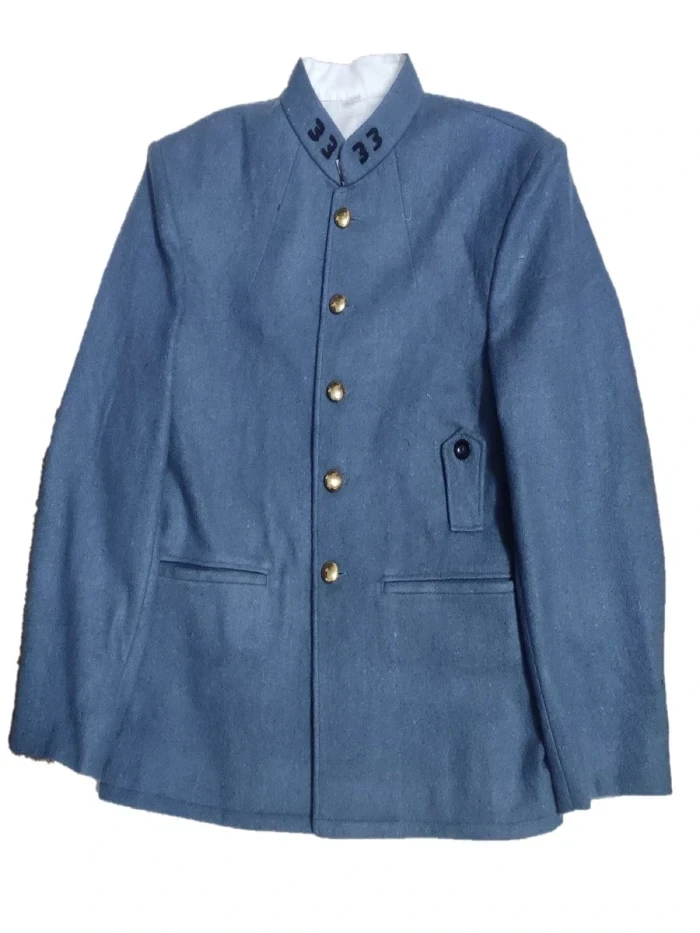
The French Greatcoat was primarily made of heavy wool, known for its insulation properties. Wool was chosen because it retains warmth even when wet, which was a crucial factor in the wet and cold conditions of the trenches. The coat had a double-breasted design with a high collar to keep out the cold and a long, flowing body that covered the entire body, providing extra protection for the legs and feet.
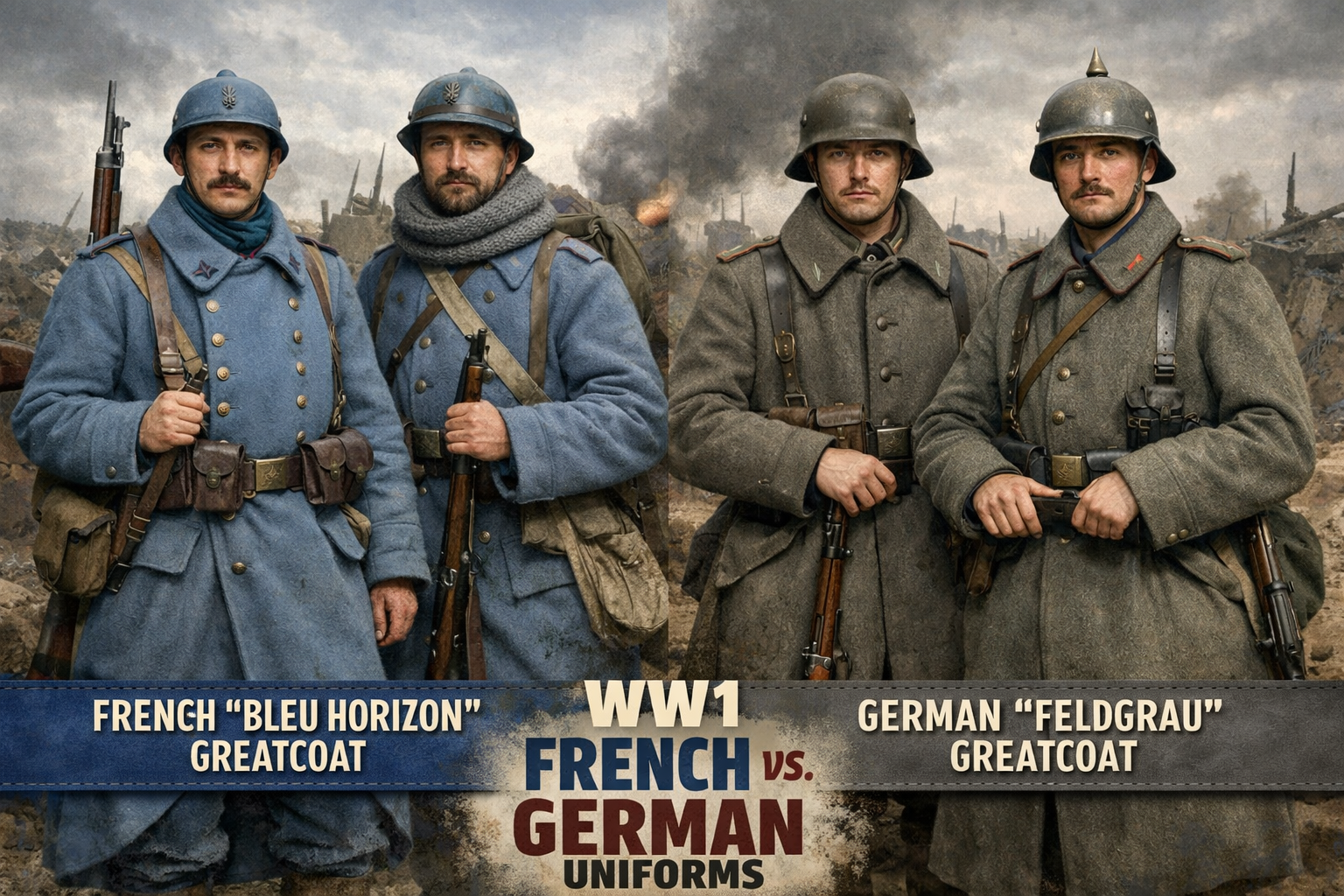
The coat was typically dark blue (Bleu Horizon), which was a distinct feature of the French uniform during the early years of World War 1. It was cut to allow some freedom of movement, but the weight and length of the coat meant it was cumbersome in certain conditions. Despite its bulk, the greatcoat was still more effective at keeping soldiers warm than many of the other available options at the time.
While the design was practical for the time, the sheer size of the coat could be problematic in trench warfare. Soldiers often had to navigate tight, cramped spaces and could find the Greatcoat cumbersome, especially when it became wet and heavy from exposure to rain or snow.
Real-World Use in Battles (Verdun 1916 Case Study)
The Battle of Verdun in 1916 was one of the longest and bloodiest engagements in World War 1. It also serves as a powerful example of the challenges soldiers faced due to exposure. During the battle, temperatures often dropped, and soldiers had to endure bitter cold. The French Greatcoat played an essential role in trying to keep them warm during this brutal battle.
At Verdun, soldiers found themselves in constant danger of not only German attacks but also the freezing temperatures. Those without Greatcoats were at a higher risk of frostbite, which was a leading cause of casualties. Some battalions were better supplied than others, but shortages meant that not all soldiers were issued with Greatcoats, leading to further disparity in survival rates.
In this case, the Greatcoat wasn’t just a piece of clothing—it was a lifeline that protected soldiers from the elements, and its absence led to severe consequences. While the woolen coats provided some degree of warmth, they weren’t perfect, and soldiers had to rely on the coat’s limited insulation to get them through the worst winter conditions of the war.
Pros & Cons of the French Greatcoat
Like most military uniforms, the French Greatcoat had its strengths and weaknesses. Let’s take a closer look at the pros and cons.
Pros:
-
Warmth – The primary benefit of the French Greatcoat was its ability to keep soldiers warm. Made from wool, it helped to protect them from the freezing temperatures and provided a degree of insulation even when wet.
-
Durability – The heavy wool fabric made the Greatcoat quite durable and able to withstand the harsh conditions of trench warfare.
-
Coverage – The long design of the Greatcoat provided additional protection for the legs, which was crucial in preventing frostbite.
-
Versatility – The Greatcoat could be worn over the regular uniform, making it a versatile piece of clothing for the soldiers.
Cons:
-
Heavy and Bulky – The coat was often heavy, making it cumbersome in the tight confines of the trenches.
-
Limited Mobility – The long design, while offering coverage, could restrict movement, especially when soldiers needed to maneuver quickly.
-
Supply Shortages – As mentioned, many soldiers didn’t receive a Greatcoat at all, leaving them vulnerable to exposure.
Compared to German WW1 Uniforms
The German Feldgrau (field gray) greatcoat provides an interesting point of comparison to the French Bleu Horizon coat. The German greatcoat was also made from wool and was designed to offer similar protection against the cold. However, the Feldgrau coat was often shorter and more practical for mobility, which made it easier for soldiers to move around.
Unlike the French soldiers, who faced delays in receiving their coats, German soldiers were generally better supplied. The German uniform included a more streamlined, functional approach, which gave them an advantage in terms of both mobility and protection during cold weather.
FAQs
1. How did the French Greatcoat help soldiers during WW1?
The Greatcoat provided essential warmth, protecting soldiers from frostbite and other cold-related injuries during harsh winters.
2. How many French soldiers suffered from frostbite during WW1?
Around 20% of frostbite cases in the French Army were caused by exposure during the cold winters of 1914-1918.
3. Did the French Greatcoat have any weaknesses?
Yes, it was often heavy and bulky, restricting mobility, and there were shortages in supply, leaving some soldiers without proper protection.
4. How did the French Greatcoat compare to German uniforms?
The French Greatcoat was longer and bulkier than the German feldgrau, which was more suited for mobility.
5. Was the French Greatcoat used in all weather conditions?
While it was effective in cold weather, the Greatcoat was less practical in warmer conditions due to its weight.
Conclusion
The French Greatcoat played a significant role in protecting soldiers from the brutal cold of trench warfare. Despite its shortcomings, such as limited supply and bulkiness, it helped to save countless lives by preventing frostbite and offering some level of insulation during the harsh winters. In comparison to other uniforms like the German feldgrau, it was clear that the Greatcoat was a vital piece of equipment for soldiers trying to survive the unforgiving conditions of the Western Front.
As we reflect on the 1.4 million casualties suffered by the French Army, it's important to remember how exposure and cold-related injuries contributed to those staggering numbers. The French Greatcoat, while not perfect, was one of the few solutions available to mitigate these losses, offering soldiers a small but crucial layer of protection against the elements.
If you’ve found this post informative, share it with others interested in World War 1 history and the challenges soldiers faced.